Ink dries quickly on parchment, but blood lingers in the soil. Two years ago, the world breathed a collective sigh of relief as a signature in Pretoria promised an end to a nightmare. The Pretoria Cessation of Hostilities Agreement was supposed to silence the guns that had torn northern Ethiopia apart since late 2020. Families separated by frontlines were meant to find each other. Fields left fallow were meant to see the plow once more.
Instead, the silence was an interlude.
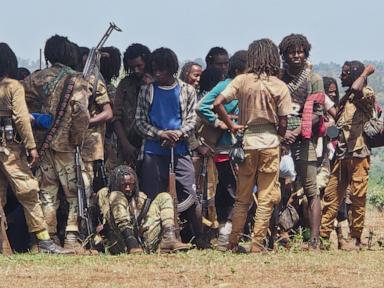
Today, the hills of Tigray and the contested peripheries echo once again with the familiar, terrible percussion of artillery. The peace deal that ended the 2022 war has been shattered, not by a sudden meteor strike, but by the slow, grinding erosion of broken promises, unresolved territorial grievances, and a profound failure of political will.
To understand what is happening now, you must look away from the grand maps of diplomats and look down at the red dirt of a village near Alamata.
Imagine a farmer named Dawit. In November 2022, when the agreement was signed, Dawit walked back to his ancestral land after months of hiding in a cave. His home was a skeleton of charred timbers. His oxen were gone. Yet, as he knelt and let the dry earth run through his calloused fingers, he wept tears of profound, stubborn hope. The international community called it a breakthrough. Dawit called it tomorrow.
For a few months, tomorrow looked bright. Aid trucks rolled down arterial roads that had been blocked by cordons of steel and starvation. Markets flickered back to life with the scent of roasted coffee and injera. People talked of elections, reconstruction, and reconciliation.
But the architecture of the Pretoria agreement was built on quicksand. It demanded the disarmament of Tigrayan forces and the restoration of constitutional order, but it left the thorniest questions bleeding in the dark. Who controls Western Tigray, the fertile strip of land claimed by both Tigrayan and Amhara regional authorities? What happens to the hundreds of thousands of displaced people caught in administrative limbo? How do you disarm a population when neighboring forces and allied Eritrean troops remain stationed along their borders, eyeing them with unmasked hostility?
Wars rarely end when the treaties are signed. They simply change shape.
By mid-2025 and into 2026, the friction turned to sparks, and the sparks caught fire. Accusations flew fast and furious between Addis Ababa and Mekelle. Federal authorities claimed regional actors were rearming and obstructing administrative normalization. Tigrayan leaders countered that the federal government had failed to honor its commitments regarding the withdrawal of foreign forces and the return of displaced citizens to their homes.
Trust is a fragile vessel. Once smashed, gluing the shards together only reveals the jagged edges waiting to cut you.
The renewed fighting is not merely a political failure; it is a human catastrophe replayed in high definition. Hospitals in Tigray, which had barely begun stocking basic antibiotics and surgical gauze, are once again overwhelmed by the trauma of blast wounds and shrapnel. Mothers who had coaxed their malnourished children back to health are packing meager bundles of clothing and fleeing into the mountains as the sound of distant shelling draws near.
Consider the mathematics of despair. When a peace deal fails, the cost is paid in the currency of lost generations. Schools converted to barracks remain closed. Children who should be learning fractions are learning the whistling sound of incoming mortar rounds. The psychological toll is heavier than the physical destruction. Despair settles into the bones of a community like a chronic chill.
Why did it fall apart? The answer lies in the reluctance to confront the root causes of the original conflict. Centralized power struggles in Ethiopia have long treated peripheral regions as pawns on a grand chessboard. When ethnic federalism is weaponized, communities that have lived side by side for centuries are suddenly taught to view their neighbors as existential threats. The peace agreement sought to freeze these deep-seated fractures without actually healing them. It papered over open wounds with diplomatic boilerplate.
A treaty without justice is merely a pause between battles.
As the sound of conflict swells once more, the international community watches with a familiar, shameful fatigue. Crises crowd the global stage, and northern Ethiopia risks slipping back into the shadows of quiet suffering. But the people living through this nightmare do not have the luxury of looking away.
In the highlands of the north, the wind blows cold through the skeletal remains of stone houses. Somewhere out there, Dawit or someone like him is walking down a familiar road, listening to the horizon, wondering how a promise made with such solemnity could dissolve so utterly into the dust. The guns have the final word for now, but history suggests that no amount of artillery can permanently bury the demand for dignity, safety, and truth. Until those fundamental demands are met, the cycle will spin, and the earth will continue to drink what the politicians refuse to reconcile.

