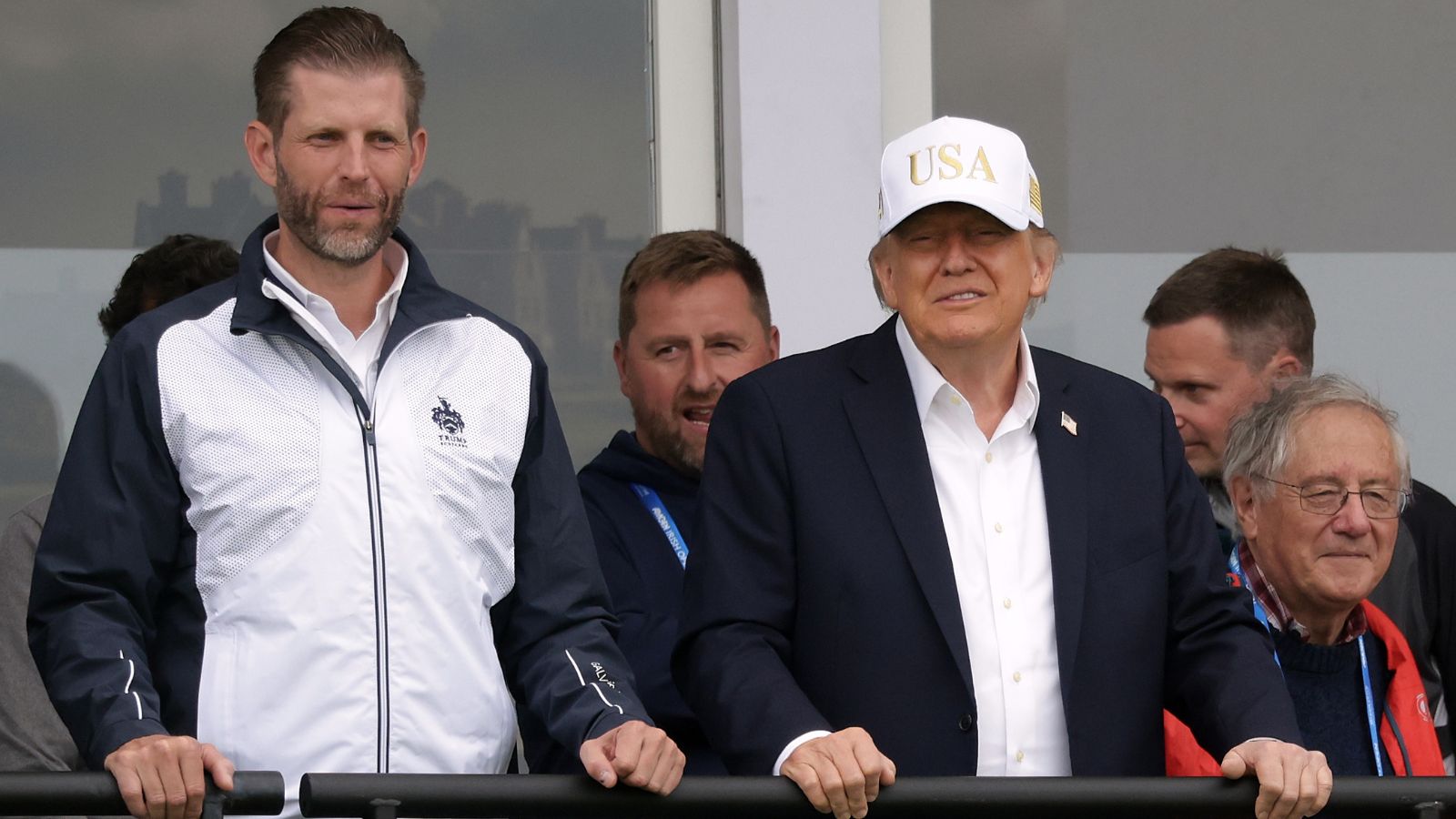
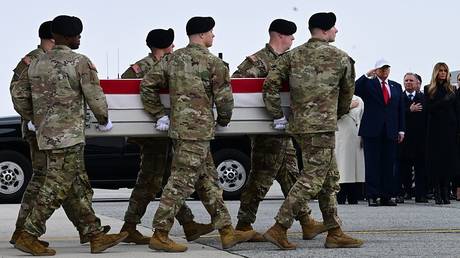
Decades of absolute geopolitical dogma are unraveling across the Arabian Peninsula. When precision drones and ballistic missiles pierce through heavily guarded airspace to strike vital petroleum facilities in Riyadh and critical coastal arteries, the illusion shatters. The core reality is stark: Saudi Arabia faces an acute structural vulnerability that its multi-billion-dollar Western defense architecture can no longer conceal. As asymmetric strikes choke off critical energy flows and test regional stability, the House of Saud is confronting the brutal limits of Donald Trump's transactional friendship.
For years, the royal court operated under a foundational assumption. The security guarantee provided by Washington functioned as an ironclad insurance policy. In exchange for predictable oil production, steady petrodollar recycling, and vast arms procurement contracts, the United States military would act as an impenetrable shield against regional adversaries. That architecture assumed traditional deterrence—the threat of overwhelming American retaliation—would keep hostile actors at bay.
Modern asymmetric warfare broke that math. Low-cost drones and cruise missiles, often fielded by proxy networks operating with tacit or explicit backing from Tehran, bypass conventional deterrence entirely. They exploit the blind spots of multi-tier Patriot battery defense systems, turning centralized energy infrastructure into high-value liabilities. When key processing facilities and financial district structures take direct hits, the market realizes that American security umbrellas do not stop projectiles from falling.
Compounding this physical exposure is the erratic nature of modern American political backing. The relationship between Riyadh and the White House has long been framed in grandiose rhetoric of eternal alliance, but beneath the surface, it relies on strict domestic political calculus in Washington. When energy shocks threaten American consumers, or when domestic political costs mount from involvement in protracted Middle Eastern flashpoints, the warmth of presidential patronage cools rapidly.
Recent diplomatic signals reveal a White House increasingly reluctant to be dragged into open-ended military entanglements on behalf of Gulf monarchies. While rhetoric from Washington often swings wildly between threats of overwhelming force and sudden calls for de-escalation, actual strategic commitments remain conditional. Trump’s public posture—balancing blunt demands for economic alignment with a visible reluctance to absorb the costs of a regional war—leaves Riyadh exposed. The kingdom is expected to buy American hardware by the shipful, yet when the missiles fly, American intervention is weighed against domestic approval ratings and midterm political fallout.
This dynamic forces a sobering reassessment within the upper echelons of power in Riyadh. Vision 2030, the ambitious blueprint designed to transition the kingdom away from total oil dependency, requires a stable investment climate, predictable shipping lanes, and secure urban centers. Foreign capital does not flow freely into an economic hub if missiles are impacting downtown business districts. Every successful strike on energy or financial infrastructure increases the risk premium on Saudi debt, shakes investor confidence, and highlights the gap between the nation's economic ambitions and its security realities.
Diversifying diplomatic partnerships has become an urgent necessity rather than a mere negotiating tactic. Riyadh has pursued dialogue with regional rivals and expanded economic ties with Asian powers precisely because relying on a single mercurial superpower is an unacceptable strategic hazard. Yet diversifying economic ties does not immediately solve a tactical defense deficit. Air defense takes years to engineer and even longer to optimize against evolving drone swarms.
The kingdom is learning that sovereign security cannot be outsourced to a foreign capital driven by shifting electoral cycles. As the physical vulnerability of its energy grid becomes a permanent fixture of twenty-first-century geopolitics, the luxury of depending on foreign protection has expired. Riyadh must confront an unforgiving landscape where friendship with an American president is no substitute for hard defense resilience.