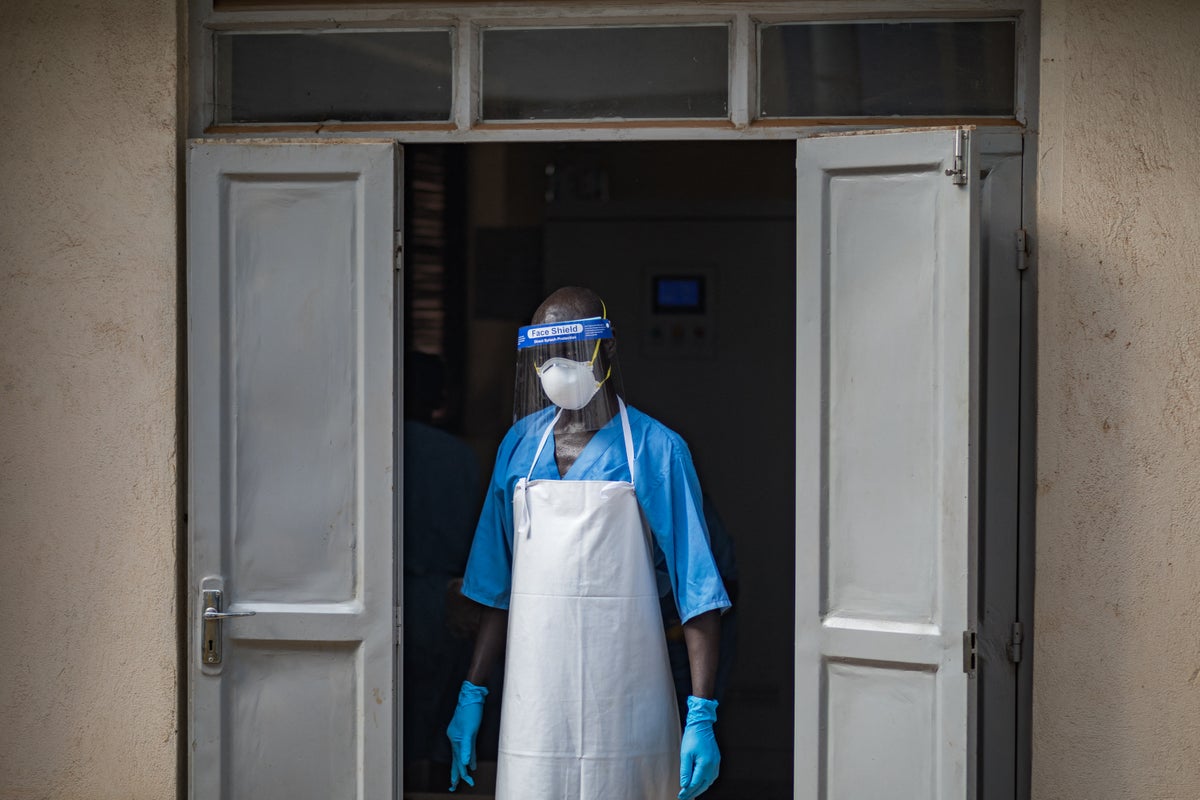
The headlines look painfully familiar. Ebola is spreading, numbers are climbing, and the death toll in the Democratic Republic of the Congo has officially crossed the 100 mark. It has been less than a month since authorities declared the outbreak on May 15, 2026.
To the casual observer, this looks like just another tragic rerun of a movie we have all watched too many times before.
But it isn't. If you think this is just a standard Ebola flare-up that the World Health Organization will stomp out in a few weeks, you are missing the most critical, alarming piece of the puzzle.
This isn't the Zaire strain of Ebola. We don't have a playbook for this one.
The current crisis unfolding across the DRC provinces of Ituri, North Kivu, and South Kivu—and spilling over into Uganda—is driven by the rare Bundibugyo virus strain. This changes everything. The medical tools we spent the last decade building to fight Ebola are suddenly useless.
The Zero Vaccine Reality
When the Zaire strain strikes, health workers deploy a powerful weapon: the Ervebo vaccine. It is highly effective and saves thousands of lives by creating a ring of immunity around infected communities.
Bundibugyo completely neutralizes that advantage.
Ervebo doesn't protect against the Bundibugyo strain. There are no approved vaccines for this variant. There are no approved therapeutic treatments either. Doctors cannot give patients a targeted antiviral cocktail to knock down the viral load.
Instead, medical teams are forced to rely entirely on basic supportive care. They are treating symptoms, not the virus itself. They manage blood pressure, pump in fluids to combat severe diarrhea, and provide basic pain relief.
The lack of an emergency medical safety net explains why health officials are panicking behind closed doors. Imperial College and the CDC ran predictive models on this outbreak. If we only manage to isolate 20% of infected individuals, the data suggests a realistic risk of the outbreak exploding to over 20,000 cases and thousands of deaths by the end of the summer. Even if we hit a 50% isolation rate, the numbers remain incredibly bleak.
The Trap of the Undetected Spread
The second massive problem is that this outbreak had a massive head start.
Congo officially declared the outbreak in mid-May, but subsequent timeline analysis reveals a frustrating truth. The virus had been quietly circulating in communities for weeks, completely unnoticed. The earliest known case goes back to a nurse who developed symptoms on April 24. Genomic modeling by the CDC suggests the initial spillover event from an animal reservoir to a human actually happened way back in mid-February.
Why did it take so long to spot? The first field tests collected by local health experts earlier in May actually came back negative for Ebola. It took advanced, laboratory-based molecular analysis to finally unlock the truth and identify the Bundibugyo strain.
By the time the alarm sounded, the virus was already deeply entrenched in a heavily populated, highly mobile region. Because the early symptoms of Ebola—fever, body aches, fatigue—look exactly like malaria or typhoid, patients spent weeks visiting local clinics and interacting with family members before anyone realized they were dealing with a deadly hemorrhagic fever.
Conflict and Contrust Make Containment Nightmare
If a lack of medical tools wasn't enough, the geography of this outbreak makes containment a logistical nightmare.
The eastern DRC is a conflict zone. Armed militia groups operate throughout the Djugu, Irumu, and Mambasa territories in Ituri. This active insecurity severely limits humanitarian access. When health teams cannot safely enter a village, contact tracing stops. When contact tracing stops, the virus wins.
Worse, health workers are fighting a war on two fronts: the virus and deep-seated community mistrust.
People are scared, confused, and skeptical. Decades of conflict have left communities deeply suspicious of outside intervention. This mistrust has boiled over into direct violence. Just recently, an angry crowd targeted a specialized burial team at the Nyamurongo cemetery in Bunia. The attack left two responders seriously injured and two emergency vehicles destroyed.
When people hide their sick relatives out of fear or attack the teams trying to safely bury the dead, traditional outbreak containment strategies break down completely.
What Needs to Happen Next
Stopping a vaccine-less Ebola outbreak requires an immediate shift in strategy. We cannot vaccinate our way out of this disaster, so response teams have to pivot to raw, aggressive public health fundamentals.
- Radical Transparency in Community Engagement: Health agencies must stop treating containment as a purely medical operation. Local religious leaders, elders, and youth advocates need to lead the communication. If the community doesn't trust the message, they will continue to hide cases.
- Rapid Deployment of Decentralized Diagnostics: Waiting weeks for complex lab confirmation is a death sentence for containment efforts. Field teams need immediate access to updated diagnostic tools capable of identifying the Bundibugyo strain on-site to cut down the window of undetected transmission.
- Fast-Track Preclinical Trials: The WHO Technical Advisory Group on Candidate Vaccine Prioritization has already started meeting to evaluate early-stage vaccine candidates that have shown promise in animal testing. These need to be fast-tracked into human field trials immediately under compassionate-use protocols.
The next few weeks are critical. If regional health authorities and international partners cannot drastically scale up isolation and contact tracing efforts despite the active conflict, this outbreak will quickly transition from a localized crisis into a massive regional catastrophe.
100 dead: Ebola outbreak reaches urgent level in African countries
This video provides an urgent broadcast on the rapidly escalating Ebola crisis in African countries, offering critical visual context regarding the international response to the 100-death threshold.