You're standing in a cramped hallway in Marrickville. The walls are damp. The price tag is $3 million. For that same stack of cash, you could own a dozen houses, a church, and a town square in rural Spain. It sounds like a fever dream or a scam from a 2004 pop-up ad, but the math is disturbingly real. Sydney's property market has become so detached from reality that an entire lifestyle in Europe is now the budget alternative.
I've watched people spend their lives chasing a mortgage for a three-bedroom terrace with no parking. Meanwhile, villages across Galicia, Castile and León, and Asturias are sitting empty, waiting for someone with the guts to trade the Pacific Highway for a cobblestone path. It's not just about the novelty. It's about a fundamental shift in how we define wealth and space in 2026.
The Brutal Reality of the Sydney Price Tag
Sydney isn't just expensive. It's exhausting. According to recent CoreLogic data, the median dwelling price in Sydney remains stubbornly high, often requiring a dual income just to service the interest. You aren't buying a home; you're buying a lifetime of stress.
Now, look at the "Aldeas" (hamlets) for sale in Spain. You can find abandoned settlements for less than $500,000 AUD. Even after you factor in the massive renovation costs, you're still coming in under the price of a mid-tier suburban house in Epping or Burwood.
These aren't just ruins. Some of these villages come with established water rights, fertile land, and multiple stone structures. You're buying a kingdom, while your friends back home are fighting over a shared driveway.
What You Actually Get for Your Money
In Sydney, $2.5 million gets you a decent house in a decent suburb. Maybe a renovation is needed. In Spain, that same money buys you a legacy.
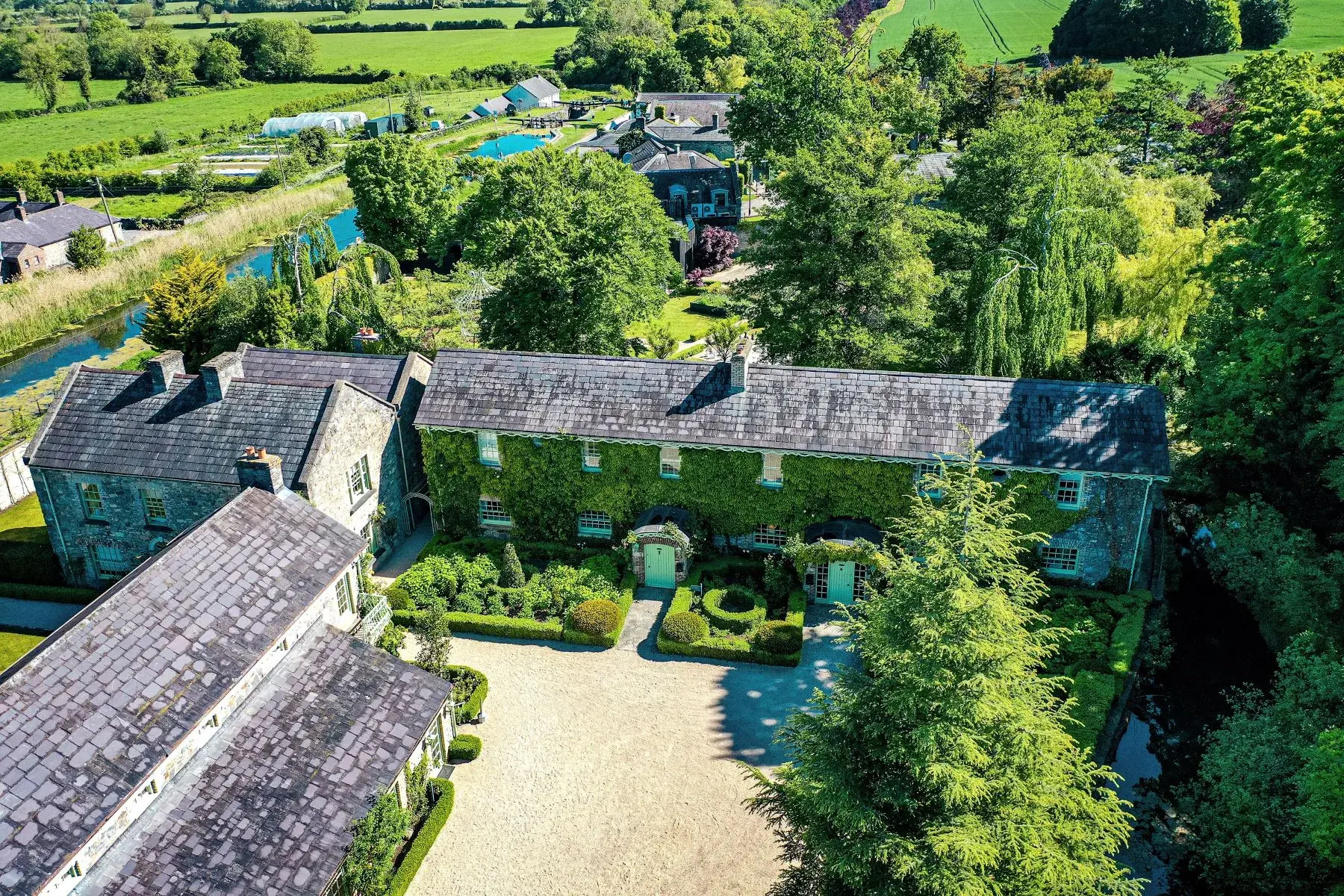
Take a typical hamlet in the Ribeira Sacra region. You get five or six stone houses. You get a barn. You get enough land to grow your own grapes. The air is clean. The noise is non-existent. You're not just moving; you're opting out of a broken system.
It's not all sunshine and sangria, though. Don't be naive. Many of these properties haven't seen a human soul in forty years. The roofs have caved in. The plumbing is a myth. You aren't just a homeowner; you're a civil engineer, a project manager, and a diplomat for the local town council.
Why Spain Wants You There
Spain is facing a massive demographic crisis. They call it "La España Vaciada"—the emptied Spain. Young people moved to Madrid and Barcelona decades ago, leaving the elderly to tend to the olive groves. When the elders passed, the villages died.
The Spanish government and local regional boards are desperate. They don't want these places to vanish. This is why you'll find tax incentives and grants for those willing to restore heritage buildings. They need people. They need energy. They need your Sydney-earned dollars to flow into their local hardware stores and bakeries.
The Hidden Costs Nobody Mentions
I've seen too many Australians get blinded by the romanticism of a Tuscan-style villa only to realize they're in way over their heads.
First, the bureaucracy is a beast. Spain's "permiso de obra" (building permit) process can take months, sometimes years, if the building has historical protections. You'll need a lawyer who specializes in rural property law, not just some guy in a suit in Madrid.
Second, infrastructure is a gamble. Is there high-speed internet? Usually not. You'll be relying on Starlink. Is the electricity grid up to code? Probably not. You might need to go full solar. These costs add up. If you don't budget an extra 50% on top of the purchase price for renovations, you're asking for a disaster.
Life as a Village Owner
Owning a village sounds lonely, but it’s the opposite. You become the steward of a piece of history. The locals in the neighboring towns will look at you with a mix of confusion and respect.
You’ll spend your mornings talking to the guy who delivers the butane gas and your afternoons arguing with a stone mason about the right way to mix lime mortar. It’s a physical, tactile life. It’s the antithesis of the "work from home" grind in a North Sydney apartment where your only interaction is with the Uber Eats driver.
Breaking Down the Logistics
If you're serious about this, stop browsing Zillow and start looking at specialized sites like Galician Rustic or Aldeas Abandonadas. These agencies specialize in exactly this niche.
- Legal Checks: Ensure the property has a "clean" title. In rural Spain, property lines are often "where the old oak tree used to be." You need a modern survey.
- Residency: Since the "Golden Visa" rules have shifted in many EU countries, you'll need to look at D7 visas or digital nomad visas if you plan to stay long-term.
- The Language: If you don't speak Spanish, you're going to get ripped off. Hire a local project manager who isn't related to the contractor.
The Real Investment Value
Is a Spanish village a better investment than Sydney real estate? From a pure capital gains perspective, probably not. Sydney property is a runaway train that seems to defy gravity.
But from a life perspective? There's no contest.
You can own a piece of the world. You can create a retreat, a boutique hotel, or a family compound that lasts for generations. You're trading a mortgage for a mission.
Stop thinking about property as a line on a spreadsheet. Think about it as the backdrop for your life. If you're tired of the Sydney rat race, the exit ramp is paved with Spanish stone.
Start by scouting the northern regions like Asturias. It's green, it's rugged, and the prices are still grounded in reality. Hire a car, drive the backroads, and look for the "Se Vende" signs. Your future isn't in a suburban cul-de-sac; it's in a valley you haven't discovered yet.