Planes are basically pressurized tubes hurtling through the stratosphere at six hundred miles per hour. Most people just want to sleep, watch a downloaded movie, or ignore the person next to them. But sometimes, tiny grievances boil over into full-blown physical chaos. That is precisely what happened on a Biman Bangladesh Airlines flight traveling from Sylhet to London, where two passengers decided a confined cabin was the ideal venue for a swinging brawl.
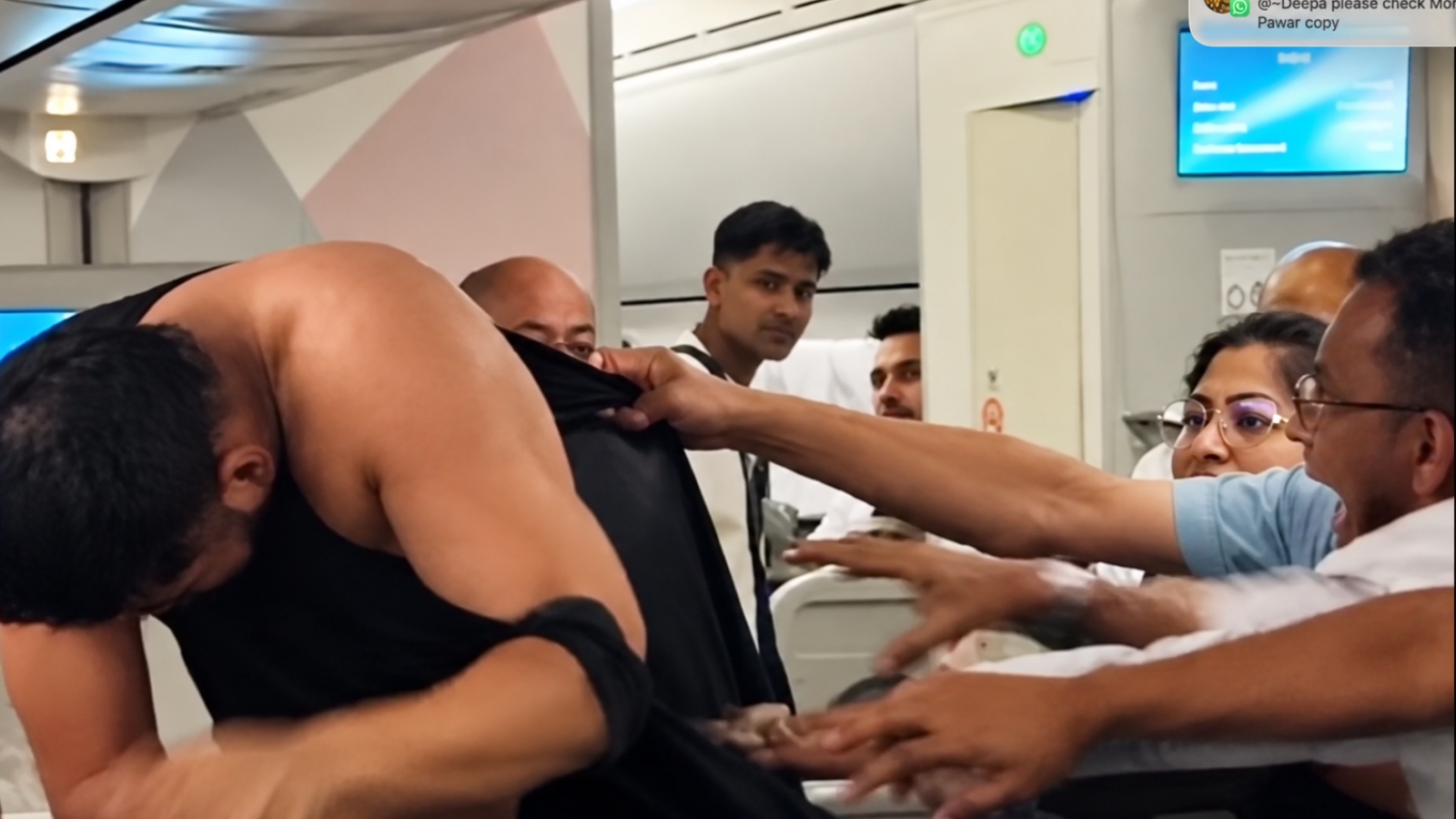
Footage of the incident quickly made the rounds online. It showed a man in a black T-shirt leaning over his seat, throwing punches at someone sitting directly behind him. Within seconds, the scuffle escalated. The man in the back stood up, clothes got ripped—including that black T-shirt tearing apart under the strain—and fellow travelers were left shouting in panic.
Why Air Rage is Getting Worse
We are seeing a sharp rise in short tempers at high altitudes. Air travel has become an exercise in endurance. Airlines pack seats tighter than ever, legroom has shrunk into a luxury concept, and delays seem guaranteed. When you mix long hours of travel, cramped physical spaces, dehydration, and maybe a bit of pre-flight stress, small annoyances turn explosive.
Someone reclines their seat too fast. Another person blocks the aisle with their carry-on. Someone talks too loudly on a phone during boarding. On the ground, you can just walk away. At thirty thousand feet, you are trapped. That lack of control drives people crazy.
The Breaking Point Inside the Cabin
During the Biman Bangladesh flight to the UK, what started as a sharp verbal argument quickly morphed into a physical exchange. Witnesses noted that families with children and elderly passengers were sitting nearby, watching in horror as punches flew across the rows.
Cabin crew members have a tough job. They aren't just servers handing out small bags of pretzels and tiny cups of water; they are essentially airborne security guards. In this case, flight attendants and other passengers had to physically step in to separate the fighting men and restore some semblance of order. Mohiuddin Ahmed, the general manager of public relations for Biman Bangladesh Airlines, later confirmed that the altercation took place and that the crew managed to diffuse the situation before things got even worse.
How to Protect Your Peace in the Skies
You can't control what the stranger in row twelve is going to do, but you can control your own reaction and environment. If you want to avoid getting caught up in mid-air drama, keep these practical steps in mind.
- Hydrate constantly. Cabin air is remarkably dry, which mimics dehydration symptoms like irritability and headaches. Skip the alcohol and drink water instead.
- Invest in active noise-canceling headphones. Blocking out crying babies, chatty neighbors, and loud seatmates does wonders for your blood pressure.
- Keep interactions minimal. If someone is acting agitated during boarding, do not engage. Politely look away or alert a flight attendant early if someone is showing signs of aggression.
- Fly prepared for delays. Pack snacks, entertainment, and patience. Being hungry and bored makes everyone a ticking time bomb.
Next time you step onto a long-haul flight, remember that everyone is dealing with the same cramped discomfort. Take a breath, put your headphones on, and let the turbulence pass without adding to it.