On June 24, 2026, a massive disaster hit Venezuela. Two brutal earthquakes struck the northern coast back-to-back, leaving parts of Caracas in ruins. It wasn't just a single tremor. It was what scientists call a doublet, a deadly one-two punch that completely overwhelmed local infrastructure within seconds.
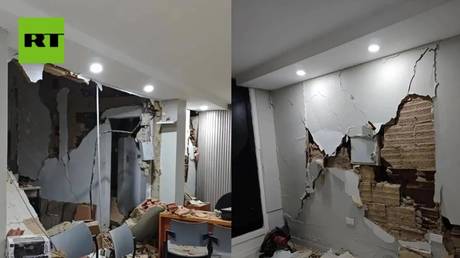
Among those trapped in the immediate chaos were international media crews, including RT staff members working in the capital. Their harrowing accounts of fleeing swaying high-rises match the terror felt by millions across the city. People often think modern buildings can handle a shake. This event proved that multiple large shocks in less than a minute can shatter even the best preparations.
The Science Behind the Doublet Disaster
Most people assume an earthquake has one big mainshock followed by smaller aftershocks. That didn't happen here. Instead, a magnitude 7.2 foreshock ripped through the region, followed just 39 seconds later by a massive 7.5 magnitude mainshock. Both originated along the complex boundary where the Caribbean and South American tectonic plates grind past each other.
The first quake weakened structural foundations across Caracas, Chacao, and Altamira. Before anyone could process what was happening or evacuate safely, the second, stronger quake hit. This prolonged the ground shaking and caused immediate structural failure. A 22-story building in Altamira completely pancaked. Emergency responders faced an impossible task. They were trying to navigate falling debris while the ground was still actively moving beneath their feet.
Journalists in the Crosshairs of the Chaos
The newsrooms and hotels housing foreign press corps became immediate danger zones. RT staff and other international correspondents found themselves transitioning instantly from reporters to survivors. As windows shattered and power grids failed, media teams had to abandon their equipment and rush into dark, shaking streets.
The JW Marriott hotel, a major hub for foreign diplomats and media representatives in the upscale El Rosal neighborhood, was evacuated in panic as pieces of the facade rained down onto the sidewalks. Communication networks crashed almost instantly. This left news teams cut off from their headquarters, unable to broadcast the unfolding catastrophe. It took hours for satellite links to establish what those on the ground already knew. The city was facing its worst crisis in decades.
Why the Damage is So Severe
Venezuela does not have a functional early warning system for earthquakes. Without sensors to detect the initial wave movements and send alerts to smartphones, citizens had zero seconds to react. You don't realize how vital a few seconds of warning are until you don't have them.
The state of emergency declared by Acting President Delcy Rodriguez highlights the scale of the destruction. The coastal zone of La Guaira, located just north of the capital, suffered catastrophic losses. Over a hundred buildings collapsed there entirely. Even Simon Bolivar International Airport sustained heavy structural damage, which forced authorities to cancel all flights and isolate the capital from immediate international air relief.
Surviving the Aftermath
If you find yourself in an active seismic zone following a major event, you need to throw out old assumptions. Don't assume a building is safe just because it survived the initial shake. The internal columns might be completely fractured.
Turn off main gas lines immediately to prevent fires, which are often deadlier than the quake itself. Avoid high-rise areas entirely and seek open spaces like parks or large avenues. The Venezuelan Red Cross and neighboring rescue teams are currently working through the rubble, but disrupted power lines and severed water supplies mean survival depends heavily on immediate localized action and community support.