Every autumn, the National Toy Hall of Fame at The Strong National Museum of Play rolls out a fresh batch of finalists, and people immediately start arguing. You get the usual mix of heavy-hitting nostalgic objects, weird curveballs, and long-suffering contenders that have been knocking on the door for years. When the 2026 finalists dropped, the lineup featured heavy hitters like Tickle Me Elmo, Polly Pocket, and Bop It alongside staples like bingo and the playground slide.
People love to obsess over which icons make the cut and which ones get snubbed. But looking at who actually won sheds light on how cultural staying power really works. While some internet-famous toys get left behind year after year, others manage to cement their spot in play history.
The Heavyweights That Missed Out Again
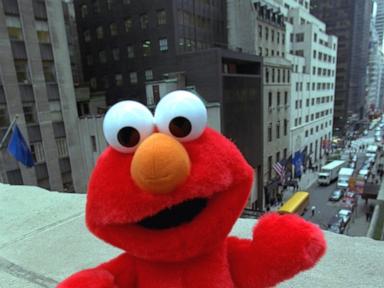
If you lived through the mid-1990s, you remember the absolute chaos of the Tickle Me Elmo craze. Parents were literally brawling in department store aisles over a red plush doll that giggled when you squeezed it. It defined a specific era of holiday shopping panic and commercial madness.
Yet, despite multiple nominations, Elmo's red-furred stimulant still hasn't secured a permanent home in the hall. Why does that happen? Hall curators look for longevity that stretches across multiple generations without losing relevance. Hype is great for sales figures, but enduring play value is what gets bronze plaques. Elmo is iconic, but the committee often makes older, broader cultural mainstays wait their turn.
Other finalists like Polly Pocket and Monster High also hit a brick wall this year. Monster High captured a massive audience by flipping traditional monster tropes on their heads, but the Hall tends to be deliberate about letting brands age into genuine historical reverence.
Why Care Bears and Bingo Made the Cut
While Elmo stumbled at the finish line, the Care Bears managed to secure a spot alongside the Pokémon Trading Card Game, bingo, and the humble playground slide.
The Care Bears didn't just survive the 1980s; they evolved. Born as greeting card illustrations before turning into plush toys and cartoon empires, those rainbow-bellied bears mastered emotional merchandising long before modern influencers figured it out. They represent an era where toys explicitly taught kids how to talk about feelings. That combination of comfort, distinct branding, and multi-generational appeal makes them an easy pick for curators looking for deep cultural impact.
Bingo followed a similar trajectory. Critics sometimes scoff when non-traditional items or games make the list, but bingo has driven community socialization for generations. It bridges generations in church basements and community centers like few manufactured toys ever could.
What the Selection Process Actually Rewards
The National Toy Hall of Fame doesn't just hand out trophies to the best-selling items of a specific decade. To make it in, a contender has to meet strict criteria: icon status, longevity, and the ability to foster discovery or creativity.
That is why everyday things like the playground slide or a simple cardboard box routinely beat out flash-in-the-pan electronic gadgets. Toys that force children to use their own imaginations almost always win out over toys that do all the thinking for them.
Tickle Me Elmo will likely get another shot down the line. Until then, the 2026 inductees prove that emotional resonance and open-ended play always beat short-term retail hype.