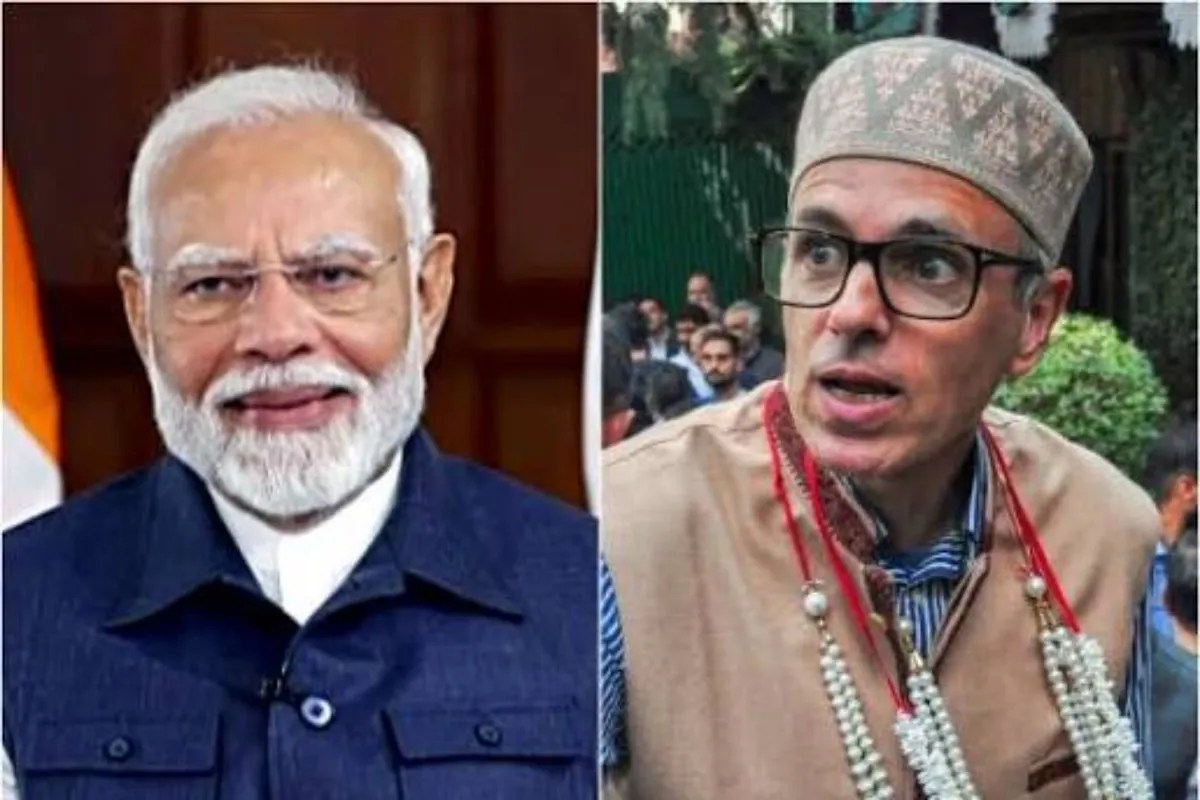
We love a good line in a joint statement. Mention a specific name, drop a location like Pahalgam into a multilateral document, and domestic political commentators pop champagne. The lazy consensus tells us that getting a multilateral bloc to sign off on a counter-terrorism condemnation with Beijing or Moscow nodding along is a grand strategic checkmate. Jammu and Kashmir Chief Minister Omar Abdullah recently joined this chorus, pointing out that because Pakistan's historical allies sat in that room, naming the attack amounted to a major victory for South Block.
It sounds wonderful on television. It reads like a textbook win for multilateral diplomacy. It is also entirely secondary to the hard metrics of security.
Let us dismantle the illusion.
The Currency Of Declarations Versus The Reality On The Ground
In international relations, a communique is only as valuable as the enforcement mechanism behind it. Multilateral forums like BRICS operate by consensus. To get five or ten sovereign states with diverging economic models and conflicting geopolitical alignments to agree on a single text, language is sanded down until it satisfies everyone and binds no one.
When a declaration explicitly calls out a terrorist incident, analysts treat it as a moral straitjacket imposed on state sponsors of terror. That is a dangerous misreading of how adversaries operate. Beijing or other partner capitals sign off on generalized or specific counter-terrorism clauses because words cost them nothing. A signature on a New Delhi declaration does not shut down financial networks, dismantle proxy training camps, or alter the calculus of military planners across the border.
If diplomatic text stopped cross-border violence, South Asia would have achieved permanent peace decades ago. The fixation on what a communique says allows governments to substitute ink for execution.
The Multilateral Mirage
Consider the makeup of the room Omar Abdullah referenced. Pundits marvel that a condemnation passed even though actors friendly to Islamabad held a seat at the table. This frames diplomacy as a high school debate club where winning means getting the other side to admit they were wrong on paper.
Realpolitik does not work that way. Major powers engage in transactional diplomacy. A nod to India's domestic security concerns in a bloated 45-page multilateral document is often the diplomatic fee paid to secure cooperation on trade, climate funding, or multipolar financial architecture elsewhere. It is a concession of convenience, not a conversion of ideology.
When we cheer a joint statement as a watershed moment, we reveal a deep insecurity. We act as though India's security validity depends on whether foreign capitals choose to type a specific valley's name into a shared press release. That is not strategic autonomy; that is validation-seeking behavior on the global stage.
Shifting The Question From Optics To Attrition
The real question is never whether a dictator or a rival state will sign a text condemning an atrocity. The real question is whether our security architecture inflicts costs so high that the utility of proxy warfare drops to zero.
Deterrence is built on operational readiness, intelligence dominance, and economic leverage. It is maintained in the dark, through unpublicized interdictions, cyber countermeasures, and financial choke points. None of these require a diplomatic stamp of approval from a summit communiqué. In fact, obsessing over the optics of multilateral declarations often distracts from structural vulnerabilities that remain unaddressed while politicians celebrate headlines.
Stop measuring national security by the index of international sympathy. Real power does not wait for consensus. It dictates the terms where consensus is irrelevant.


