Australia is positioned to become the first sovereign entity to transition cervical cancer from a public health threat to a rare disease by 2035. This objective is not a result of medical serendipity but the product of a highly integrated, triple-tier intervention framework. The strategy rests on the aggressive suppression of Human Papillomavirus (HPV) through universal vaccination, the utilization of high-sensitivity molecular diagnostics, and a centralized registry system that treats screening as a logistical operation rather than a clinical suggestion. Achieving the elimination threshold—defined by the World Health Organization (WHO) as fewer than 4 new cases per 100,000 women annually—requires solving a complex optimization problem involving behavioral economics, supply chain reliability, and the narrowing of equity gaps in underserved populations.
The Tri-Component Elimination Model
The elimination strategy functions through three interdependent variables. If any single variable falls below a specific threshold, the mathematical path to elimination extends by decades.
- Viral Suppression (The 90% Vaccination Floor): The primary prevention layer targets the transmission of high-risk HPV genotypes, specifically 16 and 18, which account for approximately 70% of cervical cancers globally. Australia’s transition to a gender-neutral, school-based program using the nonavalent vaccine (Gardasil 9) targets nine types of the virus. This creates a "herd immunity" effect that lowers the circulating viral load even among non-vaccinated cohorts.
- Diagnostic Precision (The 70% Screening Floor): In 2017, Australia pivoted from the Papanicolaou (Pap) smear to primary HPV testing. The technical shift replaced a morphology-based test (looking for abnormal cells) with a DNA-based test (looking for the presence of the virus). The sensitivity of HPV DNA testing allows for longer screening intervals—five years instead of two—while catching potential precursors to cancer much earlier.
- Therapeutic Closure (The 90% Treatment Floor): Detection without intervention results in "leakage" in the health system. The model requires that 90% of those identified with high-grade precancerous lesions or invasive cancer receive standardized, timely treatment.
The Shift from Cytology to Molecular Genomics
The abandonment of the Pap smear was a strategic decision based on the failure of cytology to provide high negative predictive value. A single Pap smear has a sensitivity of roughly 50% to 60% for detecting high-grade lesions. To compensate, patients were required to screen every two years, placing a high "compliance tax" on the population.
The current molecular diagnostic framework identifies the presence of the virus itself. The shift to self-collection—where patients can take their own samples in a private setting—removes the primary psychological and physical barriers to screening. This technical adjustment directly addresses the "hard-to-reach" demographic, which includes individuals who have avoided clinical settings due to cultural barriers, past trauma, or logistical constraints. By decoupling the diagnostic sample from a clinical examination, the system moves from a provider-centric model to a patient-centric model, significantly increasing the probability of hitting the 70% participation target.
The Socio-Economic Gradient and the Equity Gap
The aggregate national data often masks localized failures. While the Australian population as a whole may reach the 4 per 100,000 threshold, specific sub-populations—particularly First Nations women and those in remote geographic regions—face incidence and mortality rates that are significantly higher.
Elimination is not a "mean" or "average" goal; it is a floor. If the incidence rate remains at 10 per 100,000 in rural communities, the nation has not achieved elimination. The bottleneck in these regions is not a lack of technology but a failure of the "last-mile" delivery. This involves:
- Follow-up Latency: The time between a positive HPV result and a colposcopy (a specialized diagnostic procedure) is a critical failure point. In remote areas, this latency can span months due to a lack of traveling specialists.
- Data Fragmentation: Although the National Cancer Screening Register (NCSR) is a centralized database, it relies on healthcare providers to update patient records. Gaps in data lead to "lost" patients who are positive for HPV but never receive the necessary intervention.
The Cost-Benefit Ratio of Early Intervention
The economic argument for elimination is rooted in the reduction of high-cost oncology interventions. Treating late-stage cervical cancer involves surgery, radiation, and chemotherapy, costing the healthcare system hundreds of thousands of dollars per patient. In contrast, the cost of a vaccine dose and a five-yearly HPV test is negligible.
The strategy represents a shift from "reactive oncology" to "preventative virology." By spending capital on the front end—vaccinating children and providing self-test kits—the government avoids the massive downstream costs of terminal care and the productivity loss associated with a disease that primarily strikes women in their prime working and caregiving years.
Biological Constraints and the "Last Mile" Paradox
Elimination does not mean eradication. HPV will likely continue to circulate in small pockets of the population, and some cervical cancers are not caused by the HPV genotypes covered by the vaccine or detected by standard tests. These "non-HPV" cancers are rare but represent a biological floor that prevents the incidence rate from ever reaching zero.
The "Last Mile" paradox suggests that as the incidence of the disease drops, public perception of risk also drops. This leads to "prevention fatigue." When a disease is no longer visible in the community, the motivation for teenagers to get vaccinated or for adults to participate in screening programs diminishes. Maintaining high participation rates in a low-prevalence environment requires a move away from "fear-based" messaging toward "routine-based" systems.
The Digital Infrastructure Requirement
The NCSR (National Cancer Screening Register) is the operational nervous system of the elimination goal. Its function is to provide a single, longitudinal record for every eligible participant. The system must solve the problem of mobility—if a person moves from Western Australia to Queensland, the registry must trigger a reminder regardless of their local GP.
The integration of the registry with My Health Record (the national digital health platform) allows for real-time tracking of screening status. However, the system is only as effective as its inputs. The current challenge is ensuring that private pathology labs and general practices upload data in a standardized format. Without 100% data fidelity, the 90% treatment target cannot be verified.
Structural Pressure Points in the 2035 Timeline
To meet the 2035 deadline, the following systemic pressures must be managed:
- Workforce Scalability: Increasing the screening rate among previously unscreened populations will lead to a temporary surge in referrals for colposcopies. The current specialist workforce may not have the throughput capacity to handle this "detection spike" without increasing wait times.
- Vaccine Durability: The elimination model assumes long-term, possibly lifelong, immunity from the HPV vaccine. If a booster is required in the third decade of life, the logistical complexity of the program doubles, as it can no longer rely solely on school-based delivery.
- Molecular Drift: While HPV is DNA-based and more stable than RNA viruses (like influenza), the medical community must monitor for the emergence of non-vaccine HPV types that might fill the ecological niche left by the suppressed types 16 and 18.
The Strategic Path Toward 2035
The final phase of the elimination plan must transition from broad-spectrum public health campaigns to hyper-targeted, data-driven interventions. The "low-hanging fruit"—the health-conscious, urban middle class—has already been captured by the system. The remaining 30% of the unscreened population requires a different tactical approach.
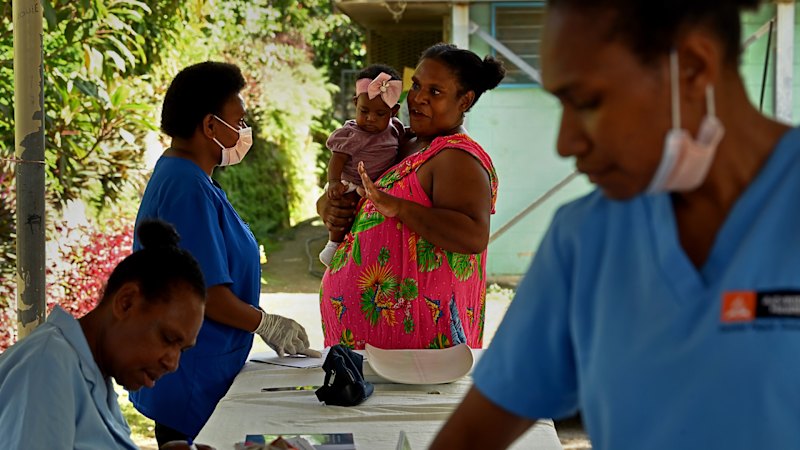
This involves the deployment of mobile health units equipped with point-of-care HPV testing, allowing for immediate results rather than the current week-long lab turnaround. It also requires the full integration of self-collection kits into non-traditional touchpoints, such as community centers and pharmacies, effectively bypassing the clinical waiting room entirely.
The success of the Australian model will serve as a global proof-of-concept. If a nation with Australia's geographic and demographic diversity can achieve the WHO targets, the framework becomes a repeatable "playbook" for other jurisdictions. The goal is no longer about the science of the vaccine or the accuracy of the test—both of which are settled—but about the precision of the delivery system and the closing of the final 10% gap in healthcare access.
The definitive move for the next 24 months is the aggressive scaling of the "Self-Collect" campaign, specifically targeting post-code areas with historically low participation rates. By treating the screening deficit as a logistics and access problem rather than a clinical one, the system can bypass the behavioral inertia that has historically stalled progress in high-risk demographics.