The desk is heavy. It smells of old wood, floor polish, and the faint, permanent ozone of high-stakes panic. Anyone who has ever sat behind it knows the truth. It is not an office. It is a weather vane in a hurricane.
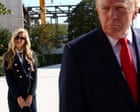
When Donald Trump looked across the room at Katie Miller and asked a question that was less an inquiry and more a loaded gun—Is this for you, Katie?—he wasn't just vetting a candidate. He was acknowledging the brutal gravity of the West Wing press briefing room. He was holding up a mirror to a role that chews up ambition and spits out exhaustion.
Step inside that room for a moment. Imagine the lights. Not the warm, flattering glow of a studio, but the harsh, unforgiving glare of four hundred cameras clicking simultaneously, capturing every micro-expression, every hesitation, every swallowed gulp. The journalists aren't there to listen. They are there to extract a confession. They are looking for the fracture in the armor.
Most people see the podium as a prize. A pinnacle. The voice of the administration, the face of power. But power is a heavy cloak in July.
Consider what happens when the phone rings at midnight. Consider the weight of stepping onto that raised platform when the news cycle is bleeding, when the nation is divided into two separate realities, and every sentence you utter will be parsed, weaponized, looped on cable news, and dissected by historians before you even make it back to your office.
It takes a specific kind of nerve to step into the crosshairs voluntarily.
Trump’s pause, his hesitation, his direct challenge to Miller, reveals a curious dynamic. It is a moment of rare presidential candor. It is the boss looking past the resume, past the loyalty tests, past the late-night strategy memos, and asking the human being underneath: Do you know what you are walking into? Do you know the price of admission?
History is littered with the ghosts of press secretaries who learned the answer too late. They enter the arena with sharp briefs and bright smiles, only to discover that the job is less about communication and more about combat. You are a human shield. You stand between an unpredictable principal and an insatiable press corps, absorbing the shrapnel of daily political warfare.
When the cameras roll, you are alone. Even with an army of researchers whispering in your ear, when a hostile question lands like a physical blow, the reaction time is zero.
Why do they do it?
Ambition, yes. Access, certainly. But beneath the political machinery lies something more primal. The addiction to proximity. The belief—naive or heroic, depending on who you ask—that you can shape the narrative, that you can bring clarity to chaos, that your voice can matter in the room where it happens.
Yet, the warning remains. Is this for you?
It is a question everyone should ask themselves before stepping onto any stage where the stakes are absolute. We romanticize the spotlight. We look at the titles, the prestige, the history being made in real time. We rarely look at the cost to the soul. The missed dinners. The constant hum of anxiety. The realization that perfection is the baseline expectation and failure is broadcast in high definition.
When Katie Miller weighed that choice, she wasn't just deciding on a job description. She was deciding how much of her peace she was willing to trade for power.
The cameras are always waiting. The lights never dim. And the chair remains empty, daring the next person to sit down.