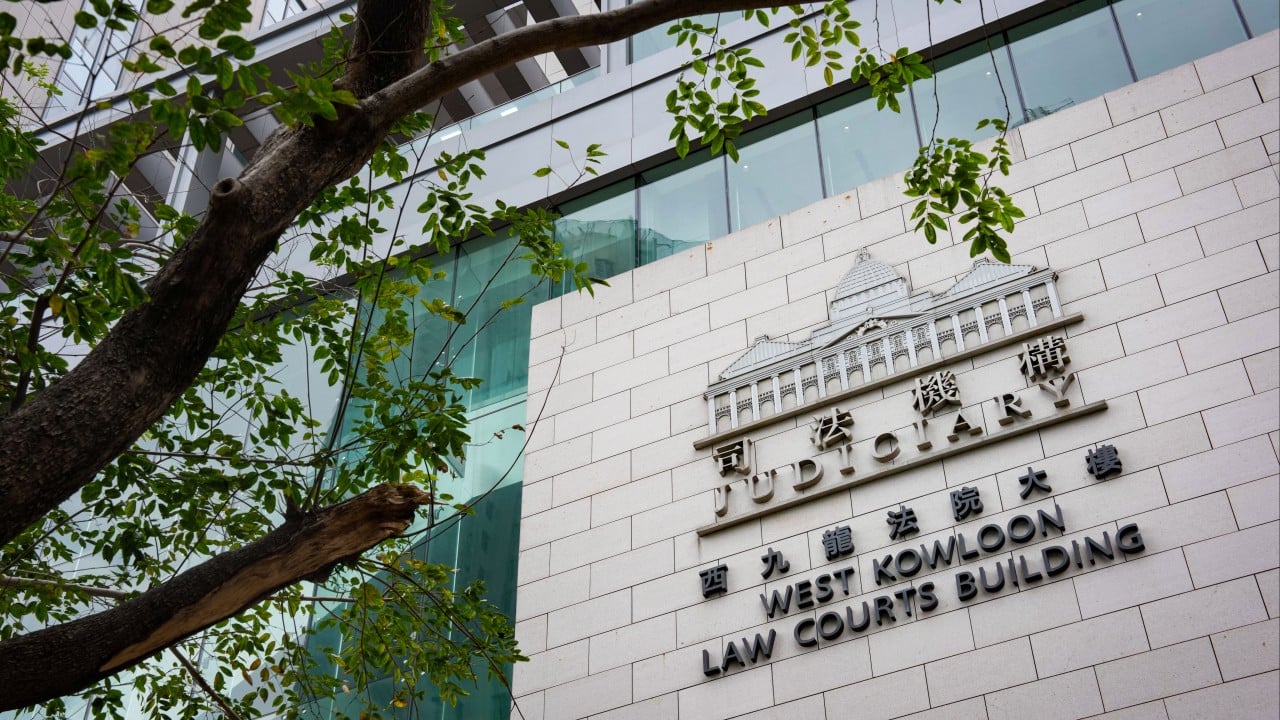
Law enforcement in Hong Kong arrested and charged a 58-year-old man under the city's stringent Safeguarding National Security Ordinance, targeting online commentary deemed seditious. This enforcement action highlights the rapidly shrinking perimeter for public expression in the special administrative region, where ordinary social media activity now carries severe legal hazard.
The mechanism at play involves broad statutory definitions of sedition inherited from colonial-era legislation, which have been amplified by recent domestic security enactments often referred to as Article 23. Under these provisions, authorities need not prove that speech resulted in immediate public disorder or physical violence. Instead, the threshold centers on intent: whether content has the potential to bring the government into hatred, contempt, or disaffection, or to incite residents to attempt to change lawfully established matters by other than lawful means.
This legal framework transforms routine digital interaction into a high-stakes calculation. For years, digital platforms functioned as forums for political critique, satire, and public grievance. Today, the enforcement apparatus monitors these channels continuously. The arrest of individuals for sharing commentary or articles online serves a dual purpose: penalizing specific expression and establishing a deterrent effect across the broader population. Observers note that self-censorship has become the primary mechanism of behavioral modification, far outpacing the actual number of formal arrests or prosecutions.
The broader implications extend well beyond local political discourse. International businesses, financial analysts, and expatriates operating in the territory face a complex environment where compliance standards intersect with information controls. When public discourse narrows, the reliability of local sentiment data and economic forecasting shifts. Risk assessments must now factor in the probability that critical economic or social commentary could be reclassified under national security statutes.
Legal defense in these matters faces structural hurdles. The judiciary operates under constraints defined by the security legislation, where bail provisions are notoriously strict for defendants accused of endangering national security. Pre-trial detention can extend for months, altering the dynamics of the judicial process long before a case reaches trial.
As digital footprints remain permanent, historical posts written years prior under different legal norms are frequently scrutinized under current standards. This retroactive vulnerability creates an environment where users scrub their profiles entirely, wiping out years of personal archives to mitigate unpredictable legal exposure. The quiet contraction of the public square continues without dramatic friction, driven by the steady application of statutory weight against individual voices.