Automakers spent the last decade turning car interiors into giant smartphones and exterior bodies into smooth, aerodynamic sculptures. Flush-mounted pop-out door handles and massive folding screens became badges of high-tech luxury. That era is hitting a hard regulatory wall. China's Ministry of Industry and Information Technology has pushed forward strict vehicle safety rules that crack down on minimalist automotive design trends.
If you thought sleek electronic latches and gimmick-heavy cabin displays were the future, regulators are signaling a sharp correction. Safety is finally taking priority over aesthetics.
The Deadly Flaw Behind Hidden Door Handles
The push against electronic door handles isn't random. It stems from terrifying real-world scenarios. When an electric vehicle suffers a severe crash, electrical power often cuts out instantly. If a car relies entirely on low-voltage circuits to pop out flush door handles or trigger electronic door latches, rescuers on the outside cannot get inside, and panicked occupants trapped inside cannot push open a mechanical linkage.
China's safety mandates state that new vehicle models must feature physical, mechanical door handles both inside and outside. The timeline leaves little room for hesitation. New vehicle approvals must comply starting January 1, 2027. Older models already on the market have a grace period until January 1, 2029, to retrofit or redesign their door mechanisms.
Tesla and various global automakers heavily rely on these flush electronic handles across popular lineups. Design teams must now engineer physical redundancy back into vehicles. Aesthetics are great, but being trapped in a burning wreck because a computer failed is a design failure of the highest order.
Targeting Foldable Screens and Cabin Distractions
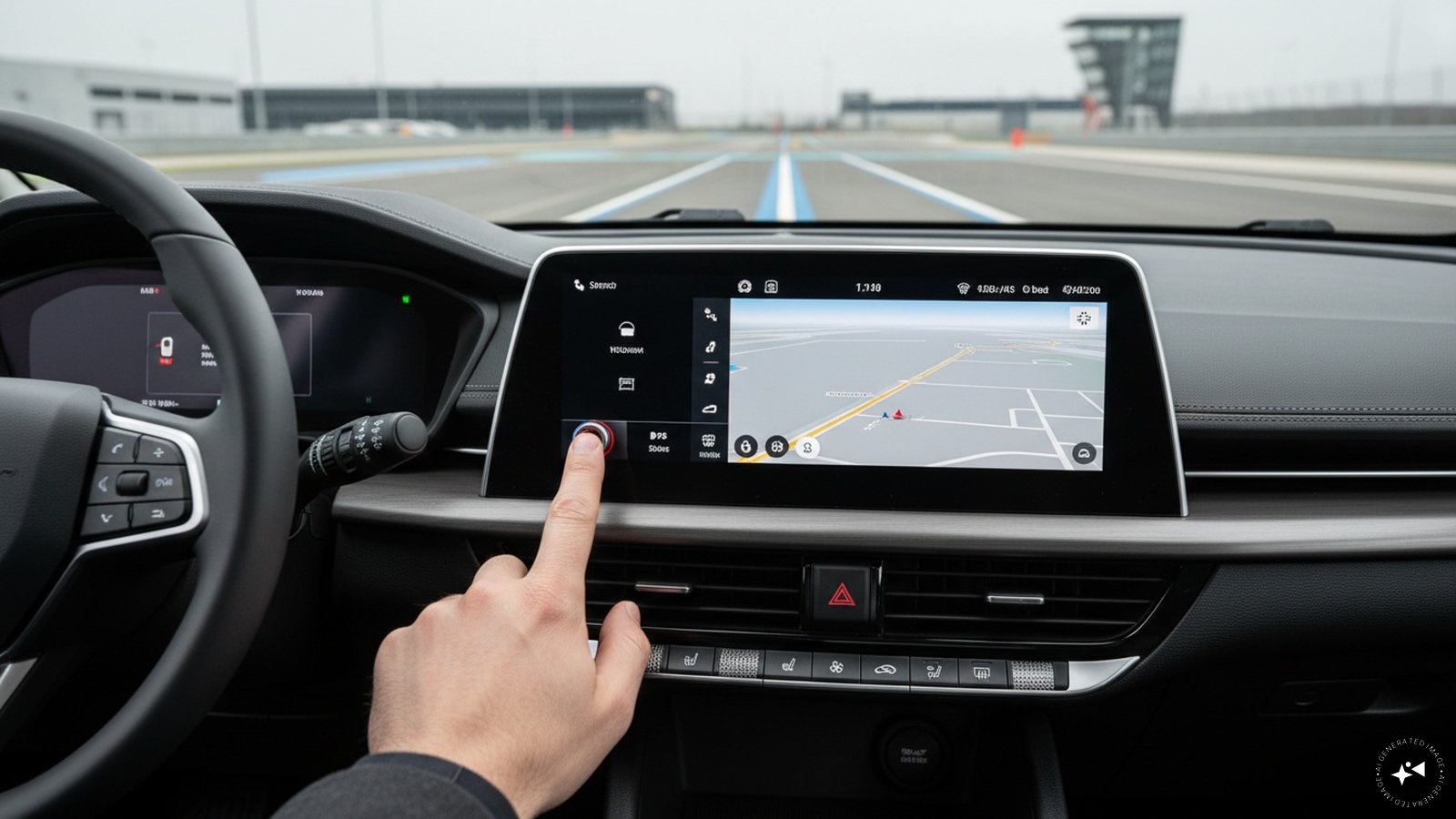
Beyond exterior hardware, regulators are taking direct aim at dashboard gimmicks. The latest regulatory drafts target flexible displays, foldable car screens, and over-reliance on voice-controlled menus for essential functions.
Automakers tried cramming every single function—from climate control to headlight adjustments—into central touchscreens or deep software menus. Some even introduced futuristic folding screens and voice commands that could control major safety doors or hoods while driving. Regulators want to put a stop to this.
The new framework restricts passengers and drivers from controlling critical safety functions via voice commands or complex digital sliders while the car is moving. Furthermore, foldable and flexible interior displays face a total proposed ban due to crash safety risks and structural durability concerns during impacts.
What This Means for Global Car Design
Car manufacturing is global. When the world's largest automotive market changes its rules, global supply chains adapt. Automakers can't easily afford to build entirely separate interior safety structures just for one country, meaning these changes will likely bleed into vehicle designs worldwide.
Physical buttons are making a comeback. Tactile feedback matters. When you need to turn on your defroster or hazard lights in a blinding rainstorm, swiping through three submenus on a glossy touchscreen is dangerous. Regulators are forcing the industry to admit that minimalist design went too far.
Expect major redesigns across upcoming vehicle generations. Car companies must pivot away from software-first interiors that prioritize minimalist dashboard photos over actual ergonomics. Safety standards are catching up to tech industry overreach, and the days of hiding basic mechanical fail-safes behind glossy glass panels are officially numbered.


