The U.S. government just pulled the trigger on a massive round of sanctions that hits right where it hurts. On April 24, 2026, the Treasury Department's Office of Foreign Assets Control (OFAC) slapped sanctions on a major Chinese refinery and a sprawling network of 40 shipping firms and vessels. This isn't just another bureaucratic slap on the wrist. It’s an aggressive attempt to dismantle the "shadow fleet" that keeps the Iranian regime's economy on life support.
If you're wondering why this matters now, it's simple. These "teapot" refineries in China have been the primary loophole for Iranian oil for years. While the big state-owned Chinese firms mostly stay away to avoid U.S. trouble, these smaller, independent players like Hengli Petrochemical (Dalian) Refinery Co. have been gobbling up discounted crude. Washington is done looking the other way.
The Teapot Refinery That Flew Too Close To The Sun
Hengli Petrochemical isn't some small-time operation. Located in Dalian, it handles about 400,000 barrels of crude a day. According to the Treasury, Hengli has been a steady customer for Iranian oil since at least 2023, funneling hundreds of millions of dollars back to Tehran.
Independent refiners in China account for roughly a quarter of the country's total refining capacity. They've traditionally operated on thin margins, which is why the temptation of heavily discounted Iranian oil—often rebranded as coming from Malaysia or the UAE—was too good to pass up. But by becoming a "financial lifeline" for Iran, Hengli just became the poster child for the Trump administration’s "Economic Fury" campaign.
The message is clear. If you process the oil, you're out of the global financial system. The U.S. is blocking all assets of these designated entities and forbidding any American from doing business with them. For a company that relies on international trade, that's a death sentence for growth.
Choking The Shadow Fleet
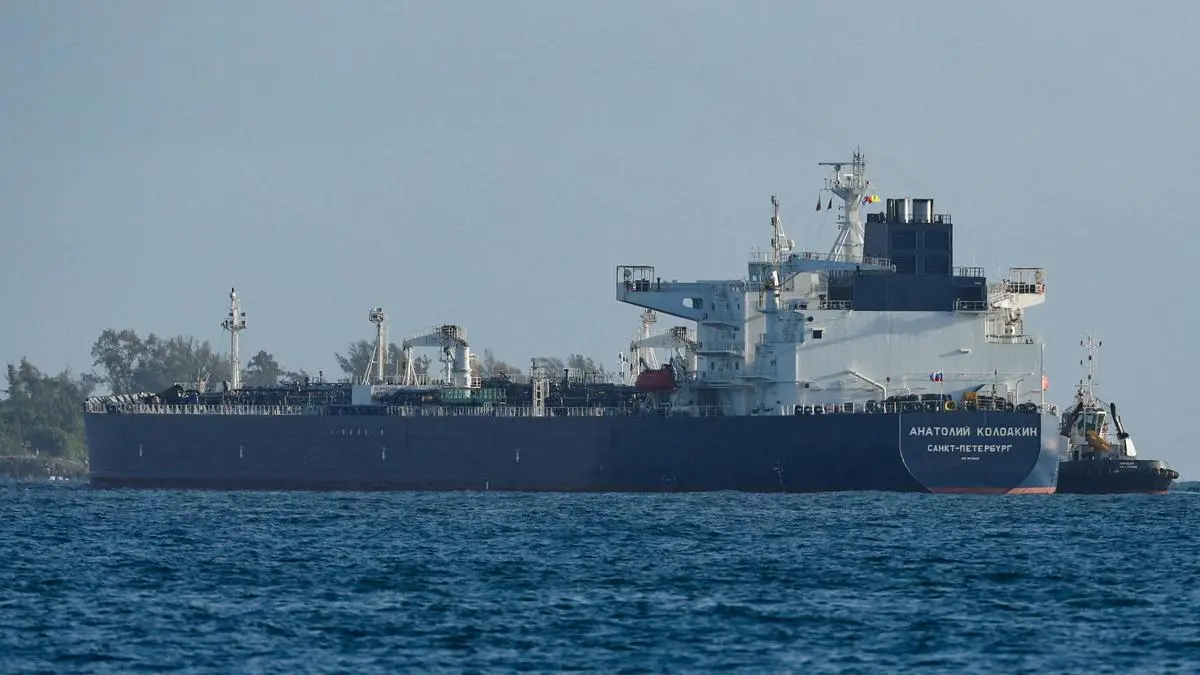
You can't move millions of barrels of oil without a lot of hardware. That's why the U.S. went after 40 shipping firms and tankers in this same sweep. This "shadow fleet" is a collection of aging vessels that operate with obscured ownership, frequently changing flags and names to hide their tracks.
- Vessels like the Magnolia and Seeker 8: These tankers alone moved millions of barrels to Chinese ports just in the first two months of 2026.
- The Lisboa: This ship allegedly made eight separate trips carrying Iranian naphtha to the UAE over the last year.
- Dark ship-to-ship transfers: Most of this trade happens in the middle of the ocean, with tankers turning off their transponders to avoid detection.
Treasury Secretary Scott Bessent didn't mince words. He called it a "financial stranglehold." By targeting the ships themselves, the U.S. makes it nearly impossible for these operators to get insurance or dock at reputable ports. It's about raising the cost of doing business until the "discount" on Iranian oil isn't worth the risk anymore.
Why This Timing Is Toxic
The timing of these sanctions is a geopolitical powder keg. President Trump is scheduled to meet with Chinese President Xi Jinping in Beijing next month. Tensions were already high because of the U.S. physical blockade on the Strait of Hormuz, a move that has sent global energy prices into a tailspin.
China buys about 80% of Iran's oil exports. They see these sanctions as a direct attack on their energy security. Beijing’s Foreign Ministry has already condemned the "forcible interception" of ships and calls these unilateral sanctions illegal. But the U.S. is betting that China’s desire for a stable trade relationship with Washington will eventually outweigh its hunger for cheap Iranian crude.
What This Means For Global Oil Prices
Don't expect your gas prices to drop anytime soon. The market is already reeling from the war around the Persian Gulf. By cutting off these 40 ships and a major refinery, the U.S. is intentionally tightening the supply.
Interestingly, the Treasury issued a one-time waiver for Iranian oil already at sea to prevent an immediate price spike, but that’s a temporary band-aid. The long-term strategy is maximum pressure. If you're a trader or an investor, you need to watch how the "teapots" react. If they stop buying, Iran loses its biggest customer. If they keep buying, we're headed for a massive trade collision between the world's two largest economies.
If you're managing a supply chain or dealing with international shipping, now is the time to audit your partners. The U.S. is looking at everyone—banks in Hong Kong, insurers in the UAE, and refineries in China. Don't get caught in the crossfire of a trade war that just got very real. Check the IMO numbers of the vessels you're using. If they've been linked to the shadow fleet, get out now.