The Hydrological Bottleneck
Extreme weather events rarely operate as isolated statistical anomalies; they function as cascading stress tests on national infrastructure, supply chain integrity, and municipal emergency response systems. When back-to-back tropical cyclones or heavy precipitation systems strike geographic concentration zones, the primary failure mode is rarely the immediate wind shear or initial precipitation volume. Rather, the vulnerability lies in the cumulative saturation coefficient of regional watersheds.
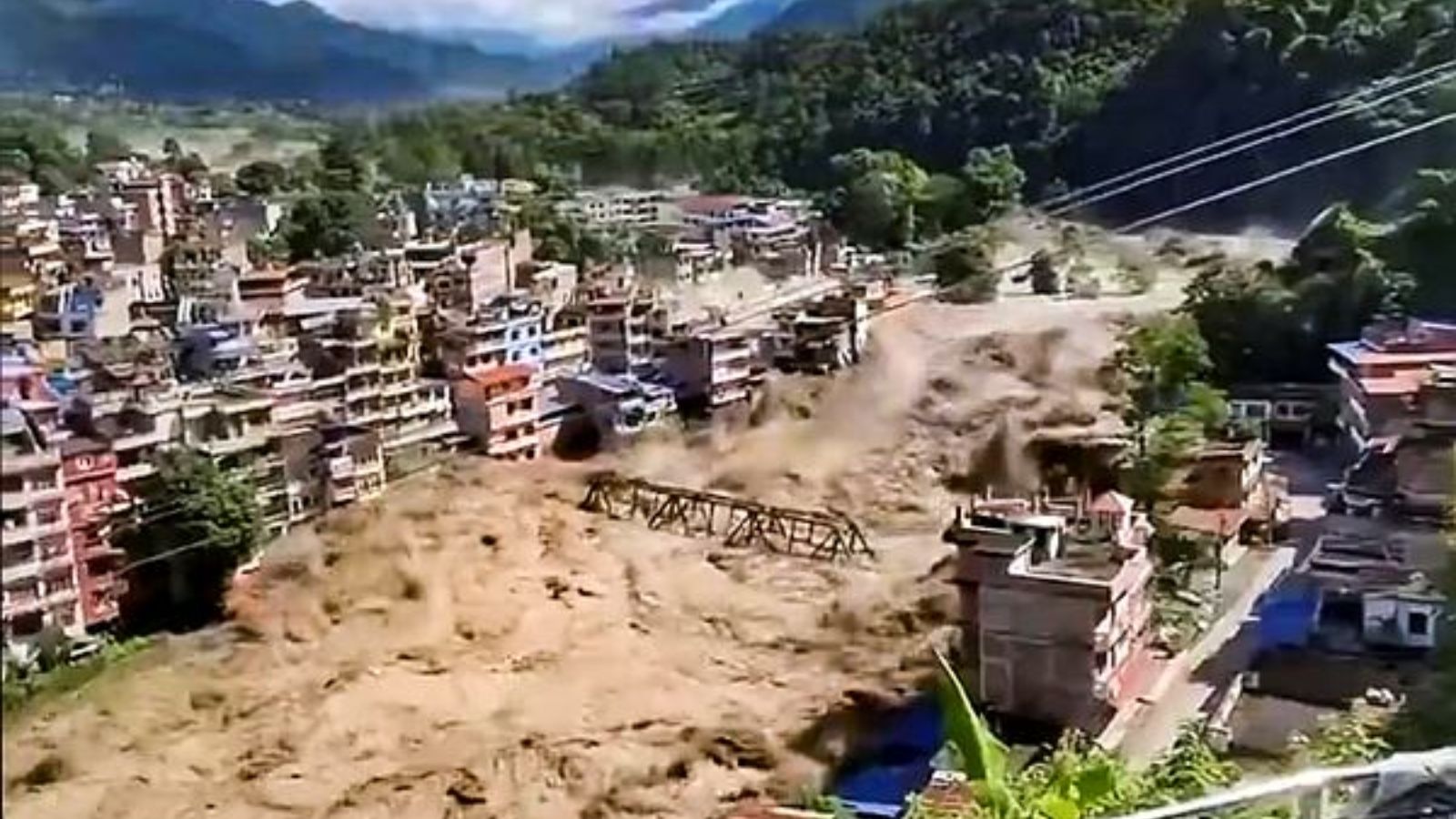
Understanding the operational exposure of heavily populated and industrialized corridors requires analyzing how successive meteorological events bypass standard absorption capacity. When a primary storm deposits peak millimeter-level rainfall over a 48-hour window, soil matric suction reaches zero, and water tables hit equilibrium with surface topography. A secondary precipitation event arriving within a tight operational window encounters a zero-margin hydrological regime. Surface runoff coefficients approach one, meaning virtually every drop of subsequent water transforms immediately into dynamic kinetic flood energy. You might also find this similar coverage interesting: The Anatomy of Transboundary Flood Disasters A Structural Analysis of the Bhote Koshi Breach.
This dynamic alters emergency resource allocation. Standard disaster management protocols rely on linear recovery curves, assuming a recovery period between shocks. Back-to-back weather systems compress this timeline, forcing authorities to triage rescue assets while infrastructure is already operating at maximum strain. The economic toll is magnified not by the absolute water volume, but by the temporal compression of successive shocks.
The Three Pillars of Regional Exposure
To deconstruct how severe precipitation impacts macroeconomic stability across high-density regions, we must examine the intersection of physical geography, industrial clustering, and logistics network design. As discussed in recent coverage by Al Jazeera, the implications are notable.
1. Topographical and Drainage Constraints
Low-lying alluvial plains and coastal mega-regions act as natural collection basins. Urbanization exacerbates this via impervious surface growth, which alters local hydrological cycles by increasing peak discharge rates and shortening lag times between rainfall and peak flooding. When drainage systems designed for standard historical return periods face compounded meteorological inputs, pumping stations experience power grid failures, mechanical blockages, and backflow from swollen river channels.
2. Industrial Clustering and Supply Chain Nodes
Modern manufacturing relies on localized industrial clusters where component suppliers, assembly plants, and distribution hubs exist within a narrow geographic radius. Severe weather events targeting these specific nodes do not just halt local operations; they create systemic bottlenecks across global supply chains. A flooded transport artery or a submerged electrical substation halts intermediate goods production, triggering upstream and downstream inventory starvation.
3. Energy Grid Interdependency
Power transmission networks represent the most fragile link during multi-stage precipitation events. Substations located in flood-prone lowlands are routinely preemptively shut down or catastrophically breached. Because modern emergency pumps, telecommunications towers, and municipal traffic control systems depend entirely on continuous grid power, localized flooding immediately cascades into widespread institutional blind spots.
The Economic Cost Function of Compound Disasters
Quantifying the disruption of sequential storms demands an operational cost function that moves beyond immediate property damage estimates. Direct asset destruction—such as ruined housing stock, flooded vehicle fleets, and damaged factory machinery—represents only the visible baseline.
The true economic burden is driven by indirect friction costs. These include lost productivity during mandatory evacuations, supply chain rerouting penalties, and inventory spoilage. In a tightly integrated national market, regional agricultural hubs hit by prolonged inundation suffer crop yield contractions that ripple through food price indices months after the water recedes. Soil anoxia, root rot, and nutrient leaching create long-term agricultural deficits that cannot be mitigated by short-term financial aid.
Furthermore, structural repair timelines introduce capital allocation inefficiencies. Municipal budgets are forced to divert funds from capital expenditure and infrastructure modernization toward emergency recovery and debris removal. This reallocation suppresses long-term productivity growth in favor of baseline asset restoration.
Strategic Operational Mitigation
Mitigating the risks posed by consecutive meteorological events requires a transition from reactive disaster response to predictive structural resilience.
First, regional flood defense architecture must be upgraded based on joint probability distributions rather than single-event historical maximums. Engineering standards must account for the likelihood of a secondary shock occurring while primary mitigation assets are still deployed or compromised.
Second, industrial zones must diversify logistics dependencies. Relying on single transit corridors for high-volume manufacturing hubs introduces unacceptable tail risk during multi-day precipitation events. Redundant routing and decentralized regional warehousing buffer against localized infrastructural failure.
Finally, early warning systems must integrate dynamic hydrological modeling that calculates watershed saturation levels in real time. Rather than issuing warnings based solely on forecasted precipitation volume, predictive models must factor in antecedent soil moisture and current river basin capacity to forecast actual flood propagation speeds.
Deploy automated sensor arrays across critical river basins to feed real-time hydrological data into municipal decision-support systems, shifting emergency deployment schedules from static alert thresholds to dynamic stress-testing parameters.