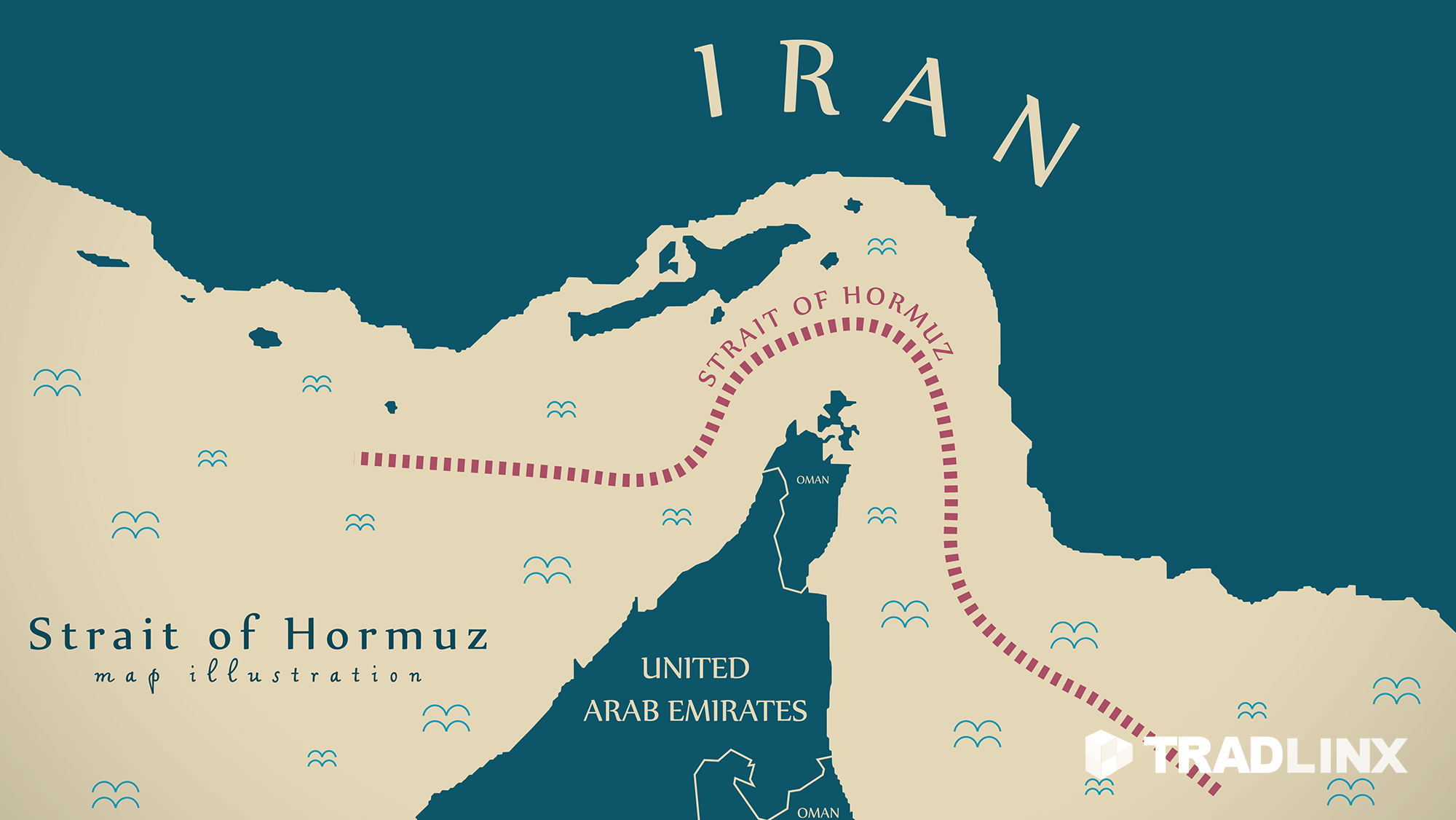
The salt air smells different when you are trapped in a bottleneck. I remember the humid mornings in the Persian Gulf, the sun rising over the horizon like a copper coin dropped into black oil. You hear the deep, rhythmic thrum of the engine shifting to an idle. You feel the sudden, jarring stillness. The Strait of Hormuz is not just a geographical feature found on an atlas. It is the jugular vein of the global economy. A mere twenty-one miles wide at its narrowest point, this sliver of water is the only exit for ships leaving the Gulf. Through this narrow gate passes nearly twenty percent of the world’s petroleum. Every drop of crude oil, every container of manufactured goods, every ton of grain that passes through this gate determines whether the lights stay on in London or if a bakery in Tokyo closes early.
When the ships stop, the world stops.
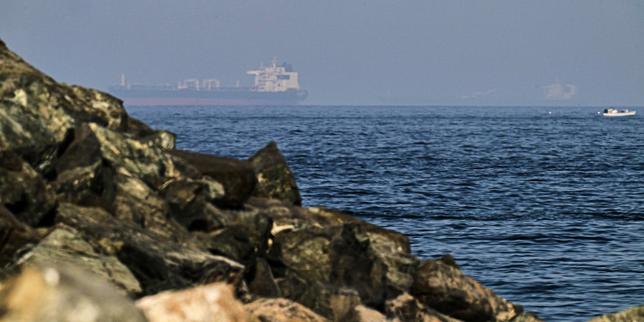
For the past week, the tension has been unbearable. A fragile ceasefire in the Middle East has settled over the coastal cities, yet out here on the dark, restless water, the silence is far from peaceful. Dozens of commercial vessels lie anchored, their massive steel hulls bobbing against the current. They are waiting. Some are carrying grain; others carry vital medical supplies or oil. Their captains have been ordered to hold their positions until further notice. The risk of being caught in the crossfire was simply too great for shipping companies to justify the transit.
Consider the human cost behind these static images on our television screens. Captain Elena Rostova stands on the bridge of the merchant vessel Ocean Guardian. She is fifty-two years old, with eyes weathered by decades of salt spray and squinting into the glare of the horizon. Her career began in the chaotic shipping lanes of the 1980s, during the tanker wars. She knows the smell of burning oil and the cold sweat of a close call. She has seen the maritime world evolve from a sleepy, analog industry into a hyper-connected, fast-paced network of just-in-time deliveries.
Her crew has been eating the same tinned rations for four days. The ship's water desalination units are running overtime, groaning under the strain of keeping the crew supplied while idling. There is a quiet, palpable panic among the deckhands. They call home when the satellite connection flickers. They listen to the static on the maritime radio frequencies, hoping for a sign that the waters are safe. For these sailors, the crisis is not a line on a stock ticker or a talking point on a morning news broadcast. It is the anxiety of a delayed paycheck, the dread of an errant missile strike, and the fear of an unauthorized boarding. The ocean, which has been their friend and companion for decades, has suddenly become a minefield.
The economics of the sea are built on trust. When insurance companies double the premiums for ships traversing the Gulf, the cost of every item inside the containers increases. The market does not care about the political rhetoric. The market cares about the risk of losing a multi-million dollar vessel. In this environment, the decision by the United States Navy to escort ships is not just a tactical operation; it is an economic backstop. It is a signal to the insurance underwriters that the United States is willing to absorb the risk, bringing down the cost of global trade and stabilizing the supply chain.
Then came the announcement that changed everything.
The United States Navy declared that it would step in to break the impasse. Starting Monday morning, American destroyers and frigates stationed in the region will begin escorting stranded commercial vessels through the narrow Strait. The goal is to clear the bottleneck and restore the flow of vital resources. The operation is designed to bring relief to the hundreds of thousands of people whose livelihoods depend on these ships reaching port.
Yet, the announcement brought little comfort to the diplomats working behind the scenes. It was met with an immediate, icy rebuke from Tehran. The Iranian government warned against any "violation of the ceasefire," labeling the United States Navy's intervention a provocative act that could reignite the conflict.
The line between peace and escalation is razor thin.
To understand the gravity of this situation, we must look at the mechanics of the Strait itself. The shipping lanes are remarkably narrow. Deep-water channels are heavily regulated, and the passage is tricky for giant supertankers that require deep drafts. If a ship deviates even a few hundred yards from the prescribed route, it enters territorial waters claimed by Iran. It is a physical gauntlet where one wrong turn or one misunderstanding can trigger a devastating chain reaction.
Let us look at a hypothetical scenario to understand the stakes. Imagine a tanker carrying two million barrels of crude oil. If that tanker is delayed by twenty-four hours, the price of Brent crude spikes globally. The cost of refining goes up. The price at the pump increases for a family in Ohio or a commuter in France. The system is hyper-connected. It relies on absolute predictability. The presence of the United States Navy promises predictability, but it introduces an undeniable element of friction and risk.
When the American fleet moves in on Monday morning, the operation will require impeccable communication. The captains of the merchant vessels must maintain absolute synchronization with the naval escorts. The slightest miscalculation could lead to an unintended confrontation with the Iranian Revolutionary Guard patrols that constantly monitor the area.
I have spoken with maritime security experts who have spent their lives navigating this volatile corridor. They agree that the operation is a necessary risk. Without intervention, the global supply chain faces a collapse that could dwarf the disruptions of the past decade. But they also whisper of the unseen dangers. The water is cold. The radar is cluttered. The nerves of the personnel on both sides are frayed by months of heightened alert.
The situation is not just about oil or political leverage. It is about the individuals trapped in the middle. The engineers in the engine rooms, the cooks preparing meals in the galleys, the families on shore waiting for their loved ones to return. It is the human element that gets lost in the dry recitation of statistics and geopolitical declarations.
Let us examine the psychological toll on the crew members of the Ocean Guardian. Imagine being twenty-two years old, away from your family in the Philippines or Ukraine, confined to a floating steel fortress in the middle of a war zone. You hear the rumble of jet engines in the night sky. You check the news on your phone, seeing headlines about the ceasefire breaking down. The uncertainty breeds a quiet, persistent anxiety that cannot be washed away by the sea breeze.
Let us look closely at the language used by the involved parties. The Iranians speak of sovereignty and territorial integrity. The Americans speak of freedom of navigation and international law. Both arguments carry weight in the chambers of the United Nations. But out on the water, the concepts are stripped of their academic polish. Here, sovereignty is a gray patrol boat cutting across the bow of a cargo ship, its crew watching through binoculars. Freedom of navigation is a gray destroyer trailing a wake of foam, its sailors standing by the deck guns.
Tehran's reaction is rooted in a deep historical distrust. For decades, the presence of foreign navies in the Gulf has been viewed as an intrusion and an attempt to limit regional influence. The warning against "violation of the ceasefire" is not a mere bluff. It is a statement of policy, backed by a formidable arsenal of anti-ship missiles and fast attack craft designed to swarm larger vessels. The waters here are highly contested. To the Iranian naval command, a United States-led escort is seen as an attempt to alter the balance of power.
The geopolitical dance in these waters has lasted for decades. Every time tensions rise, the world watches with bated breath. But this moment feels different. The Middle Eastern conflict that preceded this naval intervention has left deep scars. The diplomatic channels are clogged with mistrust, and the memory of recent hostilities remains fresh in the minds of the people living along the coast.
Let us consider what happens next. When Monday morning breaks, the USS Graveline will sound its horn and begin to move. The captain of the Ocean Guardian will receive the encrypted message: "Follow the wake." The ships will start to move in a single file line, slicing through the turquoise water. The helicopters will circle above, their rotors beating the air into a steady, reassuring rhythm. The crew will watch the radar screens with quiet intensity, waiting for the first three miles to pass.
The tension will be palpable. Every blip on the radar screen could be a false alarm or a genuine threat. The sailors will breathe a collective sigh of relief with every passing mile, knowing they are one step closer to the open sea. Yet, the broader question remains. Can a military escort truly solve an economic and political crisis?
The deployment of naval vessels provides a temporary shield, but it does not heal the underlying divisions. It is a tourniquet applied to a wound that requires a much more complex surgical procedure. The global community must look beyond the immediate escort operations and address the root causes of the instability in the Strait of Hormuz.
Until that day comes, the world remains tethered to this narrow body of water. The ships will continue to pass. The tankers will continue to carry their liquid gold. And the sailors will continue to look out at the horizon, wondering if the next sunrise will bring peace or a storm.