The maritime map of the world contains a singular, jagged line that resembles an exposed nerve. It is the Strait of Hormuz. At its narrowest point, the shipping channel is only two miles wide. Yet through this tiny passage passes roughly twenty percent of the global supply of crude oil. It is a geographical bottleneck where global commerce is permanently at the mercy of geopolitical chess.
For the average consumer, the strait is a distant abstraction. But for a maritime captain navigating a three-hundred-meter supertanker, or a commuter watching the digits rapidly spin upward at a fuel pump, it is the center of the universe. Also making news lately: The Red Phone in the Alps.
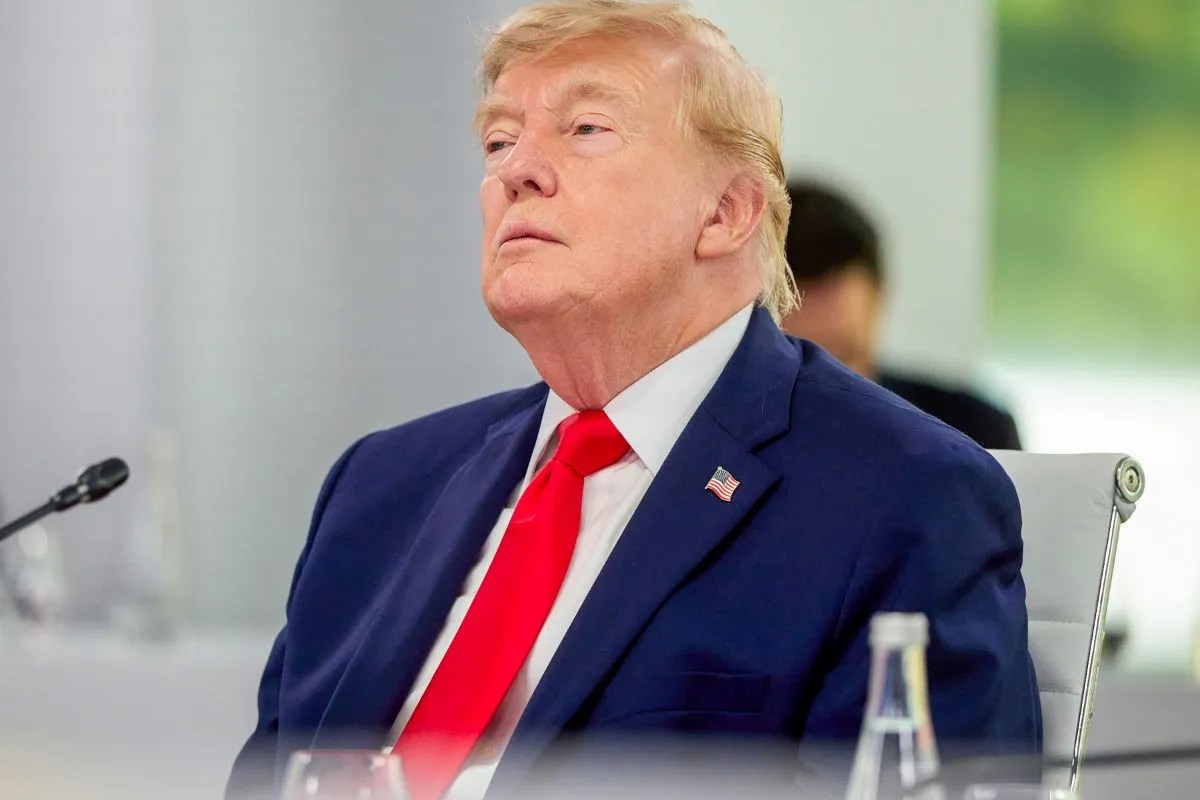
A sharp reminder of this reality arrived on a quiet Sunday afternoon. Senator Lindsey Graham emerged from a lengthy, four-and-a-half-hour meeting with President Donald Trump to deliver a message that sent a shudder through international markets. The diplomatic window regarding the maritime standoff with Iran is closing fast. And the contingency plan is anything but subtle.
The Two-Mile Wire
To understand the stakes, consider the perspective of someone whose livelihood depends on these waters. Imagine a merchant mariner on a vessel loaded with two million barrels of crude. The air is thick, hot, and heavy with salt. Below the deck, the engine hums with immense power, but the crew knows they are essentially sailing through a corridor lined with tripwires. Further insights regarding the matter are covered by The Washington Post.
A tentative memorandum of understanding between Washington and Tehran had briefly calmed the waters, igniting hope that the blockaded strait would fully reopen. Vice President JD Vance and a team of American negotiators have been working the diplomatic circuits in Switzerland, trying to turn a fragile ceasefire into a lasting framework. But diplomacy in the Middle East is historically brittle. Over the weekend, fresh friction between Israel and Iran-backed forces threw the truce into jeopardy. Tehran quickly signaled that the gates to the strait could slam shut once more.
That is when the rhetoric shifted from quiet negotiations to outright brinkmanship.
Graham did not mince words during his national television appearance. The underlying message was clear: if the diplomatic track fails, the administration is prepared to pivot from negotiation to direct kinetic control. The plan outlined by the South Carolina senator involves the United States military moving in to seize physical control of the Strait of Hormuz.
The administration would treat the international waterway essentially as a commercial toll road, charging transit fees to passing vessels to fund the military occupation.
It is a calculation wrapped in immense risk.
The Arithmetic of Escalation
The sheer scale of a military operation to seize and hold an international strait is difficult to overstate. The waters of the Persian Gulf are shallow, congested, and heavily mined. For commercial shipping companies, the threat alone is enough to freeze operations. Insurance premiums for tankers spike overnight, translating directly into higher costs for goods across the globe.
Consider what happens next if a confrontation occurs. If Iran contests the American presence, the rhetoric from Washington suggests a response designed to completely neutralize the threat. "We will obliterate them," Graham warned, mapping out an uncompromising baseline for American foreign policy in 2026.
The ultimate goal remains an ambitious restructuring of Middle Eastern diplomacy—specifically pushing to expand the Abraham Accords and integrate regional powers into a unified economic bloc. But achieving peace through the threat of absolute destruction is a precarious balancing act.
The strategy rests on a fundamental belief that the Iranian regime, depleted by conflict and economic isolation, will choose to bend rather than break. But history shows that cornered regimes rarely follow the script written for them by foreign capitals.
The Price of Friction
The true friction of global conflict is rarely borne by the policymakers who design the strategies. It is absorbed by the market, the mariners, and the global consumer.
Even within the halls of Congress, the sudden shift toward aggressive unilateral action has raised eyebrows among the president's staunchest allies. Lawmakers are openly expressing skepticism about the lack of transparency surrounding the ongoing negotiations. There is a growing demand on Capitol Hill to review the fine print of any deal before the country finds itself locked into either a massive financial commitment or an open-ended naval campaign.
The situation leaves the global economy suspended in a state of anxious anticipation. The coming weeks will reveal whether the high-stakes gamble in the Persian Gulf leads to a historic diplomatic breakthrough or a catastrophic miscalculation.
For now, the supertankers continue to wait at the mouth of the strait, their engines idling, while the rest of the world watches the water.