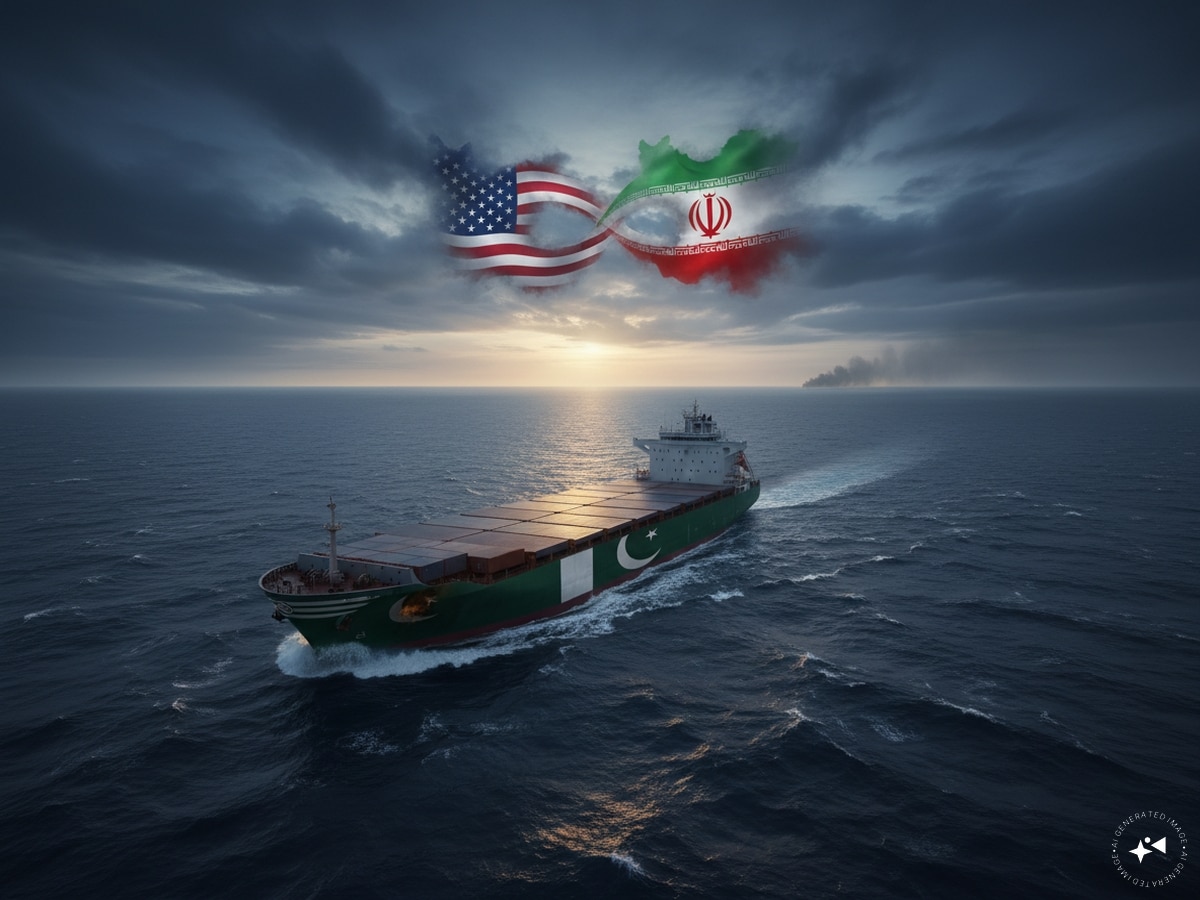
The Quiet Diplomacy Behind the Noise
For months, the global press has fixated on the visible wreckage. Missiles arc across the Red Sea, commercial container ships alter course around the entire African continent, and naval task forces expend millions of dollars intercepting drones. Publicly, Washington and Tehran remain locked in a posture of unyielding hostility, trading retaliatory strikes and harsh rhetoric through regional intermediaries. Yet, beneath this volatile surface, a different narrative is taking shape.
Pakistan has broken ranks with standard diplomatic discretion to reveal that the United States and Iran are quietly closing in on some sort of diplomatic accommodation. Islamabad possesses a unique vantage point on this crisis. Sharing a porous border with Iran and maintaining deep security ties with Washington, Pakistani officials often catch the friction points and the back-channel whispers long before they make international headlines.
When a state actor with that specific geopolitical footprint signals that a backroom understanding is materializing, it demands a hard look past the theater of maritime warfare. The public theater of shipping attacks and military posturing masks a pragmatic reality. Both Washington and Tehran face acute domestic and economic pressures that make a prolonged, unconstrained escalation mutually toxic.
To understand how a United States-Iran understanding could emerge while commercial vessels are actively burning in the Gulf of Aden, one must separate immediate tactical violence from long-term strategic calculation. The ongoing disruptions to maritime trade are not necessarily an impediment to a deal; paradoxically, they may be the very pressure points forcing both sides to the table.
The Economics of Attrition in Maritime Transit
Maritime commerce operates on razor-thin margins and absolute predictability. When supply chains break, inflation follows. The Houthi campaign against container ships transiting the Bab el-Mandeb strait has effectively rerouted East-West trade, adding weeks to transit times and driving up fuel and insurance costs globally.
Economists expected western markets to panic. Instead, the global logistics sector absorbed the shock through higher freight rates, passing the burden down to consumers. However, this absorption capacity has limits. Washington cannot afford a permanent inflation spike driven by chronic Middle Eastern instability, especially during an election cycle where cost-of-living metrics dominate public anxiety.
Tehran faces an even harsher economic calculus. Despite finding alternative buyers for its oil through clandestine tanker networks, Iran's domestic economy remains battered by severe sanctions, currency depreciation, and widespread public discontent. The clerical regime understands that pushing the envelope into a direct military confrontation with the United States would shatter its fragile economic lifelines.
This creates a shared incentive for quiet containment. Neither capital wants a regional war that triggers a complete closure of the Strait of Hormuz. By keeping the violence calibrated—intense enough to signal resolve, controlled enough to avoid total war—both nations preserve negotiating leverage.
Pakistan's intelligence and foreign ministry apparatus recognizes this delicate dance. Islamabad has historically acted as a diplomatic conduit during regional crises, passing messages between Washington and Tehran when formal channels stalled. When Pakistani leadership hints at a looming arrangement, they are pointing toward an unspoken boundary that both sides refuse to cross.
The Mechanics of Back-Channel Accommodation
Back-channel diplomacy rarely resembles the cinematic portrayals of dramatic summits. It happens in the quiet hotel suites of Geneva or Muscat, mediated by Oman, Qatar, or European intermediaries. The parameters of the current whispered arrangement between Washington and Tehran likely center on containment rather than comprehensive normalization.
A permanent grand bargain remains politically impossible for both administrations. In Washington, any deal that resembles the Joint Comprehensive Plan of Action faces immediate congressional backlash. In Tehran, yielding to American pressure on core security matters invites severe infighting among the Islamic Revolutionary Guard Corps and hardline factions.
Instead, the emerging deal is transactional and compartmentalized. It relies on tacit understandings rather than signed treaties.
- De-escalation Thresholds: Tehran agrees to cap or moderate the tempo of proxy attacks against commercial shipping and regional outposts.
- Sanctions Enforcement Blinds: Washington turns a blind eye to specific enforcement mechanisms regarding Chinese oil purchases, allowing Iran a modest financial influx.
- Hostage and Asset Diplomacy: Unfreezing specific humanitarian funds in exchange for detained foreign nationals or reduced regional friction.
These mechanisms allow both sides to claim victory at home. Washington can argue it protected global shipping lanes and curbed Iranian nuclear ambitions without committing boots to the ground. Tehran can claim it forced the Great Satan to negotiate while securing essential economic relief.
The public vitriol does not stop; it merely serves as cover for the negotiators working in the background. Warships continue to patrol the Gulf, and officials continue to issue condemnations, all while diplomatic lawyers draft the ambiguous wording of an unacknowledged ceasefire.
The Regional Fallout and the Risk of Collapse
If a quiet understanding is genuinely close, why do commercial vessels continue to face ballistic threats off the coast of Yemen? Because asymmetric warfare rarely stops the moment a handshake occurs in a back room. Proxy networks operating across the region possess their own operational momentum and local agendas.
Iran exercises influence over these groups, but it does not exercise absolute command. When Tehran signals a willingness to rein in maritime attacks, its proxies often demand concessions, funding, or weapons stockpiles in return. This lag creates dangerous windows where an errant missile strike or a successful counter-attack by western naval forces can torpedo months of delicate diplomacy.
Furthermore, regional allies of the United States view these back-channel talks with profound unease. Israel and several Gulf Arab states have built their security architectures around the premise of an unyielding, unified western front against Iranian expansionism. If Washington cuts a separate, pragmatic deal to secure shipping lanes and stabilize oil prices, regional capitals may feel abandoned to navigate the threat landscape alone.
This dynamic introduces a severe element of unpredictability. Pakistan's assessment that a deal is near reflects the diplomatic reality in Western and Iranian capitals, but it underestimates the friction within the axis of resistance. A single high-casualty strike on a Western warship could force the White House to abandon the talks and launch a retaliatory campaign that renders any back-channel progress null and void.
The Reality Behind the Headlines
The juxtaposition of burning container ships and quiet diplomatic overtures is not a contradiction. It is the modern face of great power crisis management. Governments rarely stop fighting because they want peace; they negotiate because the cost of continuing the fight outweighs the value of the objective.
Pakistan has simply stated out loud what seasoned intelligence analysts have tracked for months. The United States and Iran are locked in a dangerous tango of mutual deterrence, inching toward a functional working arrangement precisely because the alternative is too catastrophic to contemplate. The Red Sea shipping crisis will not resolve with a grand treaty or a celebratory press conference. It will fade away through quiet stand-downs, unannounced policy shifts, and the subtle resumption of maritime traffic under the cover of guarded naval escorts. The ships will eventually return to their traditional routes, long before the politicians admit they were ever talking at all.


