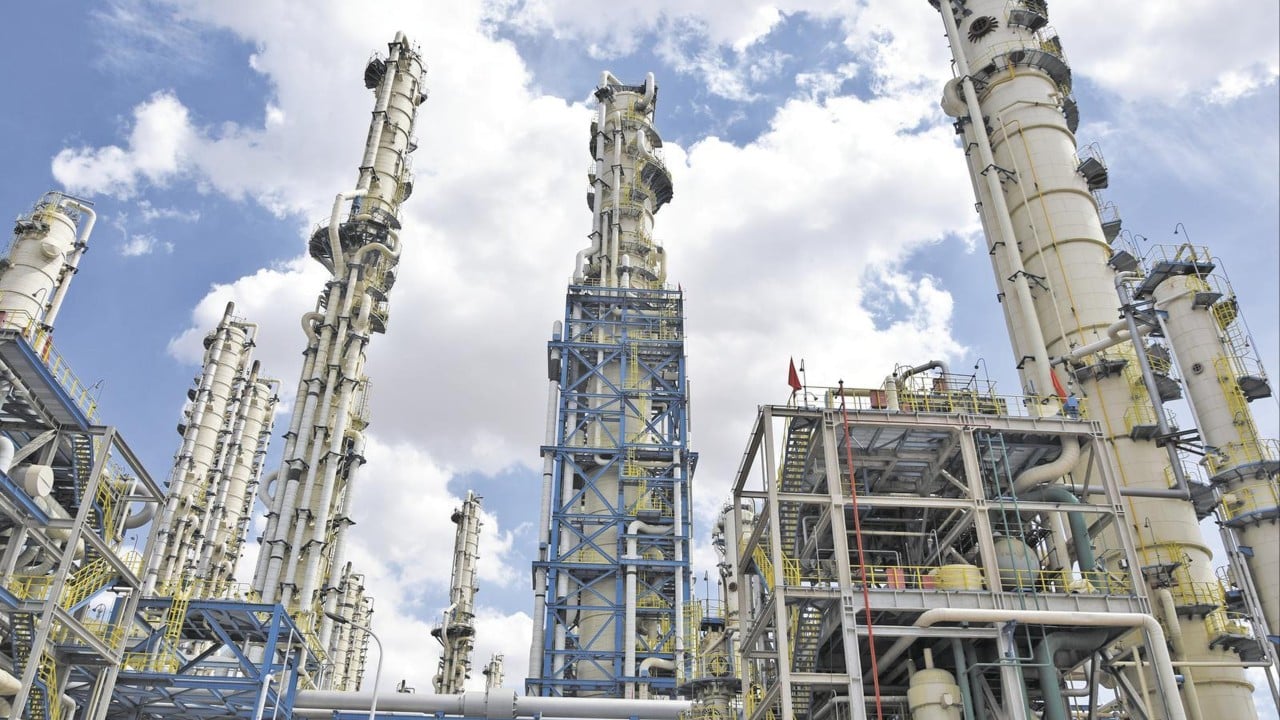
China cannot rescue a global market experiencing a severe crude oil shock by scaling up its coal industry, even though its massive domestic coal reserves and chemical engineering base make the idea look plausible on paper. Replacing crude oil with coal requires overcoming severe thermodynamic penalties, capital intensity, water constraints, and logistical bottlenecks that prevent rapid swing production. To evaluate whether Beijing's coal sector can cushion an oil spike, analysts must separate physical coal abundance from actual liquid-fuel substitution capacity, examine the cost structure of coal-to-liquids (CTL), and trace second-order effects across freight rail, power grids, and global petrochemicals.
This analysis maps the core premise implied by the question—whether surplus coal capacity can serve as a backstop when oil supply tightens—and rebuilds it around industrial economics and physical constraints. Rather than treating coal and crude oil as interchangeable barrels and tons, the argument below breaks liquid-fuel substitution into conversion pathways, cost mechanics, throughput limits, and trade-offs.
Why Coal Abundance Does Not Equal Liquid Fuel Liquidity
Crude oil and coal serve distinct roles in modern energy systems. Crude oil is a dense, transportable liquid feedstock suited to internal combustion engines, marine bunkers, aviation turbine fuel, and steam-cracked petrochemicals. Coal is a bulky solid fuel used primarily for stationary power generation, steelmaking via coking, cement kilns, and industrial steam or chemical synthesis.
A common analytical error is assuming that high domestic coal output or idle mining capacity automatically translates into spare liquid-fuel supply during a geopolitical or supply-chain oil shock. Converting solid coal into liquid hydrocarbons requires dedicated chemical plants—most notably direct coal liquefaction (DCL) and indirect coal liquefaction (ICL) via gasification and Fischer-Tropsch synthesis—alongside hydrotreating units to meet fuel specifications. Those facilities take years to permit, engineer, construct, and commission. A sudden oil shock measured in weeks or months cannot be met by building new liquefaction trains after prices spike.
Existing coal-to-liquids capacity is finite and already operates according to its own commercial and regulatory schedules. Even if an operator has latent throughput headroom, ramping up a complex chemical synthesis plant involves thermal cycling limits, catalyst management, oxygen plant load adjustments, and downstream refining balance. Treating coal reserves as an instant strategic petroleum reserve confuses geological stock with refined flow capacity.
The Conversion Pathways and Their Physical Trade-Offs
Evaluating coal's role in an oil shock requires distinguishing between two main technical routes and recognizing what each actually produces:
- Indirect Coal Liquefaction (ICL): Gasifies coal into synthesis gas (carbon monoxide and hydrogen), cleans the gas stream, and converts it over iron- or cobalt-based catalysts into liquid hydrocarbons, typically weighted toward diesel, naphtha, and waxes.
- Direct Coal Liquefaction (DCL): Hydrogenates pulverized coal slurry under high pressure and temperature with a catalyst to produce liquid syncrude that requires substantial upgrading before becoming finished transportation fuel.
- Coal-to-Olefins and Aromatics (CTO/CTA): Routes coal-derived synthesis gas or methanol into chemical intermediates such as ethylene, propylene, or aromatics rather than transport fuels, substituting for naphtha in plastics and chemical supply chains.
Each pathway carries a sharp energy penalty. Turning high-carbon solid coal into clean liquid fuels or olefins discards a substantial fraction of the original chemical energy as waste heat during gasification, shift reactions, compression, and upgrading. Consequently, a ton of coal yields far less usable transport energy than its raw thermal rating might suggest to someone looking only at calorific equivalence.
Water intensity represents a second hard constraint. Gasification, cooling, steam generation, and chemical synthesis consume substantial volumes of water, often in arid or semi-arid coal-producing basins where competing agricultural and municipal demands already face strict allocation caps. Regulatory approvals for coal chemical projects frequently hinge on water quotas and zero-liquid-discharge compliance as much as on coal supply.
The Cost Function and Margin Mechanics of Coal Liquids
Whether coal-derived liquids can relieve an oil shock in practice depends on unit economics and margin structure rather than technical feasibility alone. The cost function of coal-based liquid fuels or petrochemicals rests on several interacting variables:
- Feedstock coal cost: Delivered mine-mouth or plant-gate coal price per ton, adjusted for heat content, ash, moisture, and sulfur.
- Capital recovery (CAPEX amortization): High upfront expenditure per daily barrel of capacity compared with conventional oil refining, making fixed-charge burden heavy when utilization drops or spreads narrow.
- Operating intensity (OPEX): Oxygen production power draw, catalyst replacement, maintenance turnarounds, and water treatment expenses.
- By-product and co-product credits: Revenues from naphtha, LPG, waxes, or chemical streams that offset part of the net diesel or fuel cost.
- Policy and environmental compliance costs: Emissions pricing, carbon intensity constraints, and environmental remediation obligations.
In normal market conditions, coal-to-liquids and coal-to-olefins face tight or volatile economics whenever crude oil and naphtha trade at moderate levels. When an oil shock drives crude prices sharply higher, the spread between coal feedstock costs and oil-linked product prices widens, improving operating margins for existing plants. That margin expansion is a known economic mechanism, yet it does not automatically unlock rapid volume growth because plant capacity is capped by physical hardware and turnaround schedules.
Educated hypotheses about margin relief must also account for pass-through lags. Crude oil benchmarks can jump overnight on geopolitical disruption or transit chokepoints, while coal prices, domestic fuel pricing rules, and petrochemical contract formulas adjust on different timelines. A temporary price spike does not guarantee that high-CAPEX coal conversion will remain profitable once oil markets rebalance or demand responds to higher prices.
Hidden Bottlenecks Across Rail, Power, and Refining
Focusing solely on mine output and liquefaction reactors misses the system-level bottlenecks that govern how much relief coal can provide.
Rail and Inland Freight Competition
Coal production centers and major coastal or inland demand hubs are separated by long distances. Heavy rail corridors already carry immense volumes of thermal coal for power generation alongside industrial freight. Pushing extra coal toward chemical conversion plants or moving finished liquids and chemicals out of inland basins can strain rolling stock, port handling, and rail slots—especially during peak heating or cooling seasons when power plants compete urgently for deliveries.
Power Grid and Industrial Competition
Coal is the backbone of baseload and balancing power in many regions, as well as a heat and steam source for heavy industry. Diverting coal toward liquid fuel synthesis without corresponding gains in low-carbon generation or efficiency risks tightening power reserves or raising industrial steam costs. If higher energy prices slow broader industrial activity, the resulting drop in oil and chemical demand may come from economic contraction rather than clean substitution.
Refinery Configuration Mismatch
Liquid output from coal conversion does not mirror the exact barrel slate of crude oil. Depending on process design and downstream hydrocracking or reforming capacity, coal liquids may lean toward middle distillates, naphtha, or chemical feedstocks rather than balanced gasoline, diesel, jet fuel, and marine fuel oil. Blending or upgrading syncrude requires compatible refinery units, hydrogen supply, and quality specifications, which limits how smoothly coal liquids can plug into every part of a refined products market.
What This Means for Global Oil Markets and Trade Flows
Even if coal-based fuels and petrochemicals expand at the margin during a prolonged oil shock, their global stabilizing effect is bounded. Most of the world's oil demand sits outside any single country's coal-chemical footprint, and international crude markets clear through seaborne trade, tanker logistics, refining margins, and spare upstream or strategic stocks.
A more realistic channel of influence lies in petrochemical and naphtha substitution rather than a massive swing in global transport fuel supply. When crude oil spikes, naphtha costs rise, improving the relative competitiveness of coal-based olefins or methanol derivatives in domestic supply chains. That can reduce incremental import pull for certain feedstocks, easing one corner of global product tightness while leaving global crude supply-demand fundamentals largely intact.
There are also trade-offs for decarbonization and air quality. Scaling coal conversion increases carbon dioxide emissions per unit of end-use energy compared with conventional petroleum pathways, creating friction with medium-term climate commitments and local pollution controls. Policymakers facing an oil shock must weigh short-term energy security buffers against emissions trajectories, water depletion, and stranded-asset risk if oil prices later retreat.
Limitations and Analytical Blind Spots
Any assessment of coal riding to the rescue of an oil-shocked world carries clear analytical boundaries that analysts must state upfront:
- Lack of real-time plant-level utilization data: Exact operating rates, maintenance backlogs, and contract terms for individual coal-to-liquids and coal-to-olefins facilities are often proprietary or reported with lags, making precise spare-capacity estimates uncertain without verified facility-level disclosures.
- Sensitivity to oil shock duration: A brief supply disruption behaves very differently from a multi-year structural shortage; short spikes rarely justify new greenfield liquefaction builds given long construction lead times.
- Policy discretion: Government directives on fuel quotas, export controls, environmental enforcement, and strategic reserves can override pure price signals in either direction, making market-clearing assumptions fragile.
- Demand destruction effects: High oil prices themselves curb consumption through slower economic growth, fuel switching, and efficiency gains, which can do more to rebalance oil markets in the short run than coal conversion can.
Strategic Action for Energy and Supply Chain Leaders
Treat coal-to-liquids and coal-based chemicals as a localized margin buffer and petrochemical feedstock hedge, never as a rapid global substitute for crude oil during an oil shock. Energy buyers, industrial operators, and commodity strategists should model oil shocks using three concrete steps: stress-test procurement and hedging plans against refinery product cracks and shipping bottlenecks rather than assuming coal synthesis can cap crude prices; track domestic coal rail allocation, water permitting, and petrochemical operating rates as early indicators of cost-curve support; and build dual-sourcing and demand-flexibility options so operations do not rely on slow-moving chemical conversion capacity to rescue an acute supply crunch.


