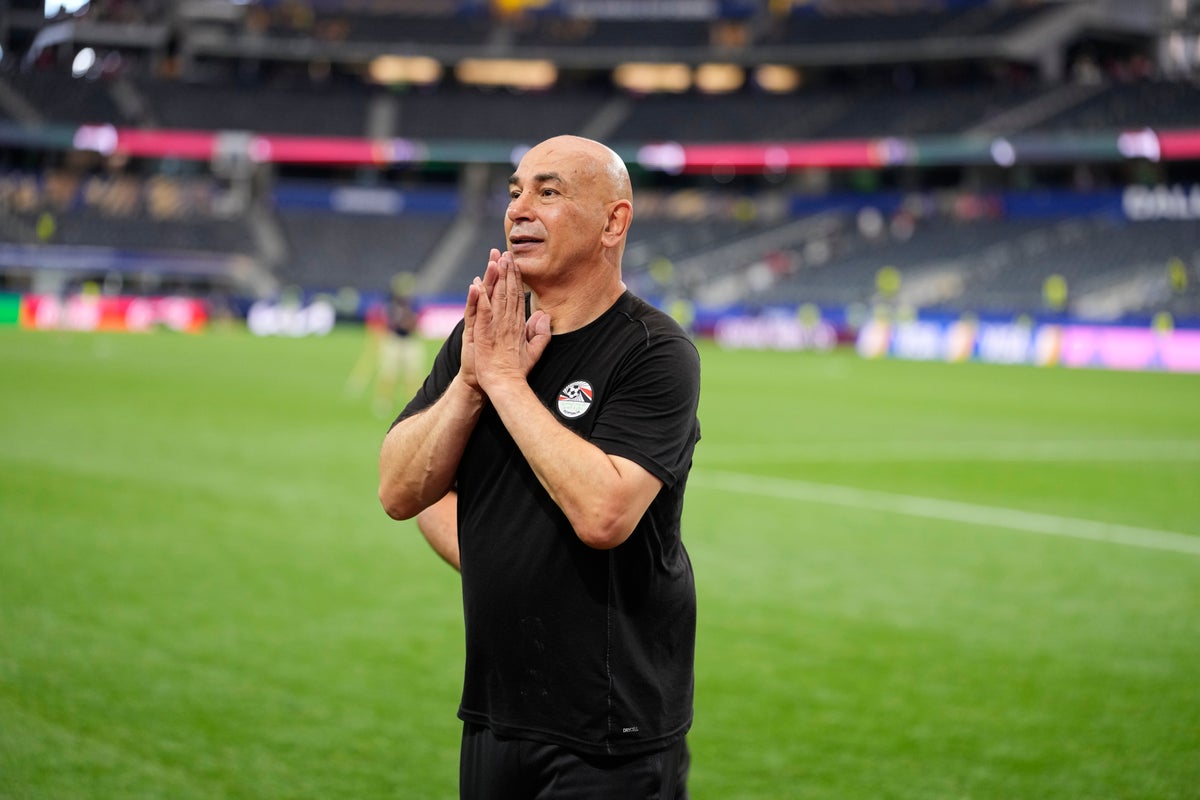
Don't let the tight 1-0 scoreline fool you. Colombia didn't just beat Ghana in Kansas City to lock up their spot in the World Cup Round of 16. They completely starved them. It was a masterclass in suffocating a match, the kind of professional performance that separates genuine tournament threats from teams that are just happy to be there.
If you watched the ninety minutes at Arrowhead Stadium, you saw a team operating in total control. Néstor Lorenzo has built a machine that knows exactly how to suffer, how to strike, and how to kill off a game without ever shifting out of second gear. Ghana worked incredibly hard, but they lacked the ideas to break down a defensive structure that has now given up only a single goal across four matches in this tournament.
The Total Erasure of the Ghana Attack
Everyone expected a chaotic, back-and-forth knockout battle. It lasted about two minutes. Thomas Partey let fly with a venomous 25-yard strike that whistled just wide of Camilo Vargas’s post right after the opening whistle. That was Ghana's high-water mark. After that, Colombia shut the gates.
Look at the statistics from this game. They tell an incredibly damning story for the Black Stars. Ghana finished the match with eight total attempts on goal, but exactly zero of them hit the target. Not a single save was required from Camilo Vargas. Davinson Sánchez and Jhon Lucumí absolute bossed the penalty box, winning every aerial duel and stepping up to cut off passing lanes before Jordan Ayew or Iñaki Williams could even turn.
It was defensive dominance by design. Colombia didn't sit deep and invite pressure. They defended by keeping the ball and squeezing the space in midfield. Jefferson Lerma acted as a human shield, making life miserable for Ghana's creative players, while Daniel Muñoz and Johan Mojica completely locked down the flanks.
An Unprecedented Piece of World Cup History
Knockout football breaks people. Sometimes it breaks them physically before the game even settles into a rhythm. The opening quarter-hour of this match delivered a bizarre statistical anomaly that we have never seen in the history of the tournament.
Before fourteen minutes had even ticked off the clock, both managers had to burn a substitution due to muscular injuries.
First, Colombia suffered what looked like a massive blow. Striker Jhon Córdoba pulled up lame with a visible groin issue after an early sprint. Lorenzo didn't hesitate, immediately sending Sporting CP forward Luis Suárez into the fire in the eighth minute. Minutes later, Ghana's Marvin Senaya went down in agony with his own injury, forcing Otto Addo to throw Alidu Seidu onto the pitch.
Never before in a World Cup match had both teams been forced into tactical or injury adjustments before the fifteenth minute. It could have derailed the tactical plans of both sides, but it was Colombia that adapted instantly. In fact, their forced change directly created the winning goal.
How Luis Suárez Changed the Game in Seconds
Great teams find advantages in misfortune. Luis Suárez hadn't even broken a proper sweat when he turned the match on its head in the fourteenth minute.
Daniel Muñoz timed a beautiful run down the right side, latching onto a ball and feeding it forward to Suárez. The substitute forward showed immense composure, driving directly toward the byline and dragging the Ghanaian central defenders with him. Instead of firing a blind cross, Suárez picked his spot perfectly. He cut a low, driven ball back across the face of the six-yard box.
Jhon Arias saw the space opening up. The winger timed his run from the opposite side to perfection, meeting the ball with a crisp, first-time right-footed volley. Lawrence Ati Zigi stood absolutely no chance in the Ghana goal. The ball flew into the bottom corner, and the massive sea of yellow-clad Colombian fans in Missouri blew the roof off the stadium.
Arias took a yellow card earlier for an aggressive tackle, but nobody cared. He delivered the game's defining moment.
Managing the Subtropical Heat of Kansas City
You can't talk about this match without talking about the brutal weather conditions. Kick-off temperatures hovered around 31.1 degrees Celsius, but with the suffocating humidity in Missouri, the heat index felt like a staggering 96 degrees Fahrenheit.
It was an environment designed to drain energy reserves and cause heavy legs. The referee implemented mandatory hydration breaks in each half, and you could see the physical toll it took on the players. Cramps were everywhere by the 70th minute.
This is where Colombia's depth proved to be a massive advantage. They didn't panic when the air felt like soup. They slowed the tempo down, passed the ball sideways, and forced Ghana to chase shadows in the midday sun. It looked lazy to the untrained eye, but it was incredibly smart. They let the weather do the defending for them.
By the time the second half rolled around, Ghana looked completely spent. They had no legs left to press, no energy to run behind the fullback lines, and no power to win the second balls. Colombia cruised through the heat while the Black Stars suffocated in it.
The Mystery of the Halftime James Rodríguez Hook
The biggest talking point coming out of the locker room was Néstor Lorenzo's decision to pull James Rodríguez at the interval. James is the emotional heartbeat of this squad. He didn't look injured, and he had spent the first half orchestrating the tempo from his central position.
Yet, when the teams emerged for the second half, Richard Ríos was on the field and James was on the bench.
It was a bold, highly opinionated coaching move. Lorenzo recognized that the extreme heat required more defensive running and physical presence in the middle of the pitch. Ríos brought exactly that. He injected raw power and tracking ability into the midfield, essentially locking down Thomas Partey and preventing Ghana from building anything through the center.
It might upset the romantic fans who want to see James play every minute, but it was the correct tactical decision. It showed that Lorenzo prioritizes winning matches over managing superstar egos.
The Disallowed Goal and the Brilliance of Ati Zigi
Colombia really should have won this game by three or four goals. They generated an expected goals (xG) value of 2.19, creating several premium chances that went begging.
Luis Díaz thought he had put the match to bed in the 56th minute. Juan Fernando Quintero, who came on late, delivered a trademark defense-splitting pass to Arias, who squared it for Díaz to slide home. The celebrations were cut short by a very tight, VAR-confirmed offside call against the Bayern Munich winger.
Díaz had another massive opportunity just minutes later, finding himself completely unmarked inside the penalty box. He hit it cleanly, but fired it straight at Lawrence Ati Zigi.
Ghana's goalkeeper was the only reason this didn't turn into a blowout. Ati Zigi finished the evening with seven saves, including an unbelievable, acrobatic reaction stop in the first half to claw away a downward header from Johan Mojica that looked destined for the net. He kept Ghana alive, but his outfield teammates simply couldn't reward his heroism.
Why Juan Fernando Quintero Must Start Against Switzerland
If there's one critique of Colombia's performance, it's that they lacked a killer instinct in the final third during the second half. They kept the ball beautifully, but they didn't kill the game off on the scoreboard.
That changed the moment Juan Fernando Quintero stepped onto the pitch in the 72nd minute, replacing the goalscorer Arias.
Quintero's eighteen-minute cameo was an absolute clinic. The 33-year-old midfielder, currently playing his club football back in Argentina with River Plate, looked like he was playing at a completely different speed than everyone else. He had 24 total touches. He attempted 19 passes and didn't misplace a single one of them.
More importantly, he created five distinct scoring chances in less than twenty minutes. That was more than any other player on either team managed during the entire match. Every time he touched the ball, Ghana's defensive lines panicked.
Heading into the Round of 16 match against Switzerland in Vancouver on Tuesday, July 7, Lorenzo has a major selection dilemma. Does he keep the industrious work rate of his starting midfield, or does he unleash the pure creative genius of Quintero from the opening whistle? Against a highly disciplined Swiss low block that just dismissed Algeria 2-0, Quintero’s ability to pick locks will be vital.
The Path Through the Knockout Bracket
Colombia entered this tournament as dark horses, but people need to start removing the "dark" modifier. They won a brutal Group K ahead of Portugal, picking up seven points and showing multiple ways to win. They can outpace you, they can outmuscle you, and as they showed against Ghana, they can simply choke the life out of you if they get an early lead.
Spain's head coach Luis de la Fuente recently pointed out that this Colombian squad has all the ingredients to win the entire tournament. He isn't wrong. The defense is elite, the midfield is versatile, and they have match-winners all over the final third.
Your next step is simple. Stop treating Colombia like an underdog story. Clear your schedule for Tuesday’s clash in Vancouver against Switzerland. If Quintero starts, or if Díaz finds his finishing boots, the Swiss are going to be in for an incredibly long night. This Colombian team isn't just surviving the bracket; they're hunting.