Federal officials operating the Glen Canyon Dam face a zero-sum trap that pits the survival of a rare native fish against the electricity demands of millions of Americans. As Lake Powell hovers near critical low thresholds, down to roughly twenty-three percent of its total capacity, the Bureau of Reclamation must choose whether to route water through power-generating turbines or bypass them entirely to drop the river temperature below the dam.
That single operational choice exposes the structural failure of mid-century water management. The river system supplying forty million people across seven states is running out of physical headroom, forcing managers to weigh millions of dollars in replacement energy costs against the permanent extinction of ancient aquatic species.
The Mechanical Trap at Lake Powell
Water elevation dictates power production. When Lake Powell sat at historic highs, the massive concrete wall of Glen Canyon Dam functioned as an unyielding engine for the American Southwest, generating cheap hydropower while burying the ecosystem below in deep, cold reservoir water.
Now, the math has inverted.
The surface of the reservoir has dropped so low that the water entering the intake structures is warm. That warm water flows directly through the hydroelectric turbines, raising the temperature of the Colorado River as it enters the Glen Canyon and Grand Canyon stretches.
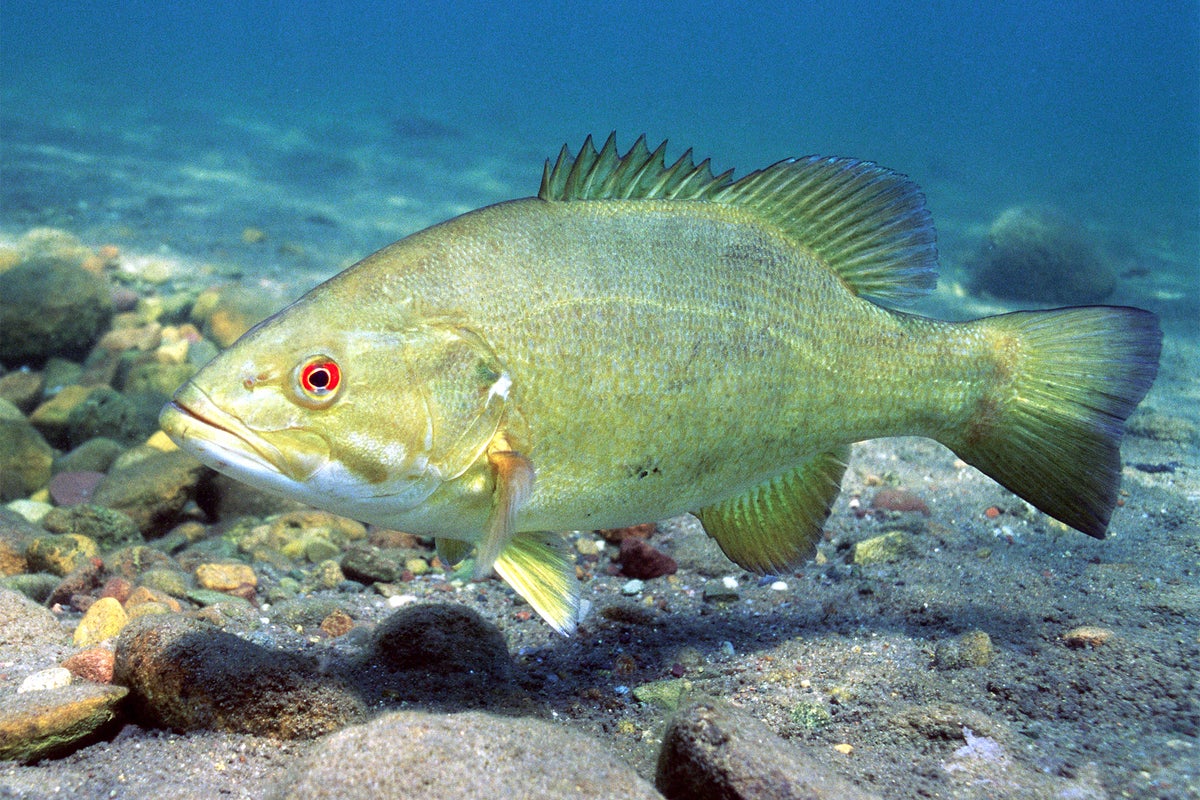
For the endangered humpback chub and the world-famous rainbow trout fishery downstream, those rising temperatures act as an ecological trigger. Non-native predators like smallmouth bass, originally introduced for sport fishing decades ago, thrive in water temperatures exceeding sixty degrees Fahrenheit. When the river warms, these invasive fish successfully spawn and systematically devour native species that evolved over millions of years to survive in cold, silt-heavy torrents.
Preventing this catastrophe requires what federal engineers call a cool mix flow. By opening deep jet tubes instead of running water through the upper penstocks, operators can flood the downstream channel with cold water.
There is a catch.
Those deep bypass tubes contain no electricity-generating turbines. Every acre-foot of water routed around the penstocks to save the fish is an acre-foot of lost zero-emission power.
The True Cost of Replacement Energy
When the Bureau of Reclamation executes cool water releases, the financial shockwaves hit regional utilities immediately. Municipalities and rural electric co-ops across Utah, Arizona, and neighboring states rely on federal hydropower for affordable baseload electricity.
When generation drops by half during the peak summer cooling season, those utilities are forced onto the open energy market to purchase replacement power.
During recent multi-month bypass operations, nearly 900,000 acre-feet of water bypassed the generators, racking up replacement energy bills scaling into tens of millions of dollars. For small utility districts, those expenses cannot be absorbed quietly. They translate directly into spiked utility rates for customers already squeezed by regional inflation and housing shortages.
Energy distributors argue that forcing ratepayers to fund multi-million-dollar environmental mitigations on a shrinking river is unsustainable. Federal administrators are caught between statutory obligations under the Endangered Species Act and the stark political liability of rolling blackouts or soaring electricity bills for millions of voters.
A System Built on Fictional Math
The root cause of this conflict extends far beyond a dispute over fish or utility rates. The entire legal framework of the Colorado River, anchored by the 1922 Colorado River Compact, was built on optimistic hydrological data that never reflected long-term reality.
Allocations promised more water than the basin actually produces. Decades of chronic over-extraction, combined with severe drought and rising evaporation rates driven by regional climate shifts, have drained the system faster than policy makers can draft emergency guidelines.
Temporary fixes and short-term operational compromises do not solve structural deficits. Every summer brings a new round of administrative triage where federal agencies must decide whether to protect downstream biodiversity or keep the regional power grid stable.
There is no middle ground left. Allowing the river to warm unchecked consigns unique native species to localized extinction. Bypassing the turbines to save the fish stresses an electrical grid already vulnerable to extreme weather events and peak summer demand.
As federal regulators continue to navigate expiring interstate water agreements and volatile reservoir elevations, the margin for error narrows. The ongoing crisis at Glen Canyon Dam demonstrates that humanity can no longer engineer its way out of ecological limits by simply shifting the cost from the environment to the grid, or from the grid back to the river