If you think a renewed conflict in Yemen will just replay the stale stalemate of the 2015-2022 civil war, you haven't been paying attention. The ground is shifting fast. The fractured local factions of the past are reorganizing, regional alliances are hardening, and the tools of combat have evolved beyond recognition.
A fresh military escalation won't be fought with slow-moving infantry lines or passive defensive postures. It will look sharper, meaner, and far more technologically distributed.
The Drone Monopoly Is Broken
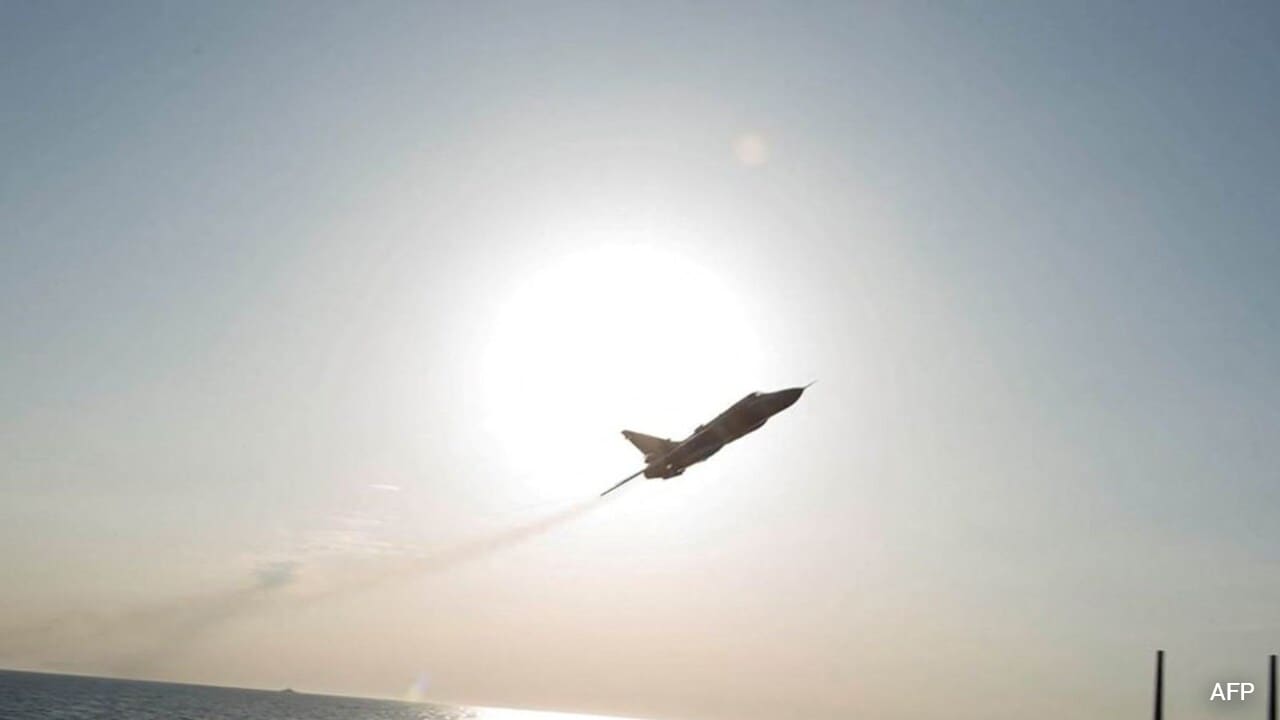
For years, the Houthi movement held an almost exclusive monopoly on asymmetric drone warfare in the region. They used cheap unmanned aerial vehicles to monitor rivals, strike command centers, and hit infrastructure far behind the front lines while government forces scrambled to intercept.
That dynamic is over.
Forces loyal to Yemen's internationally recognized government have aggressively deployed their own tactical drones across contested fronts like Marib, Taiz, al-Jawf, and Hajjah. While the Houthis still command a larger overall stockpile, local government units don't need absolute parity to change the math. They just need the capability to force Houthi supply lines, vehicle concentrations, and artillery nests into constant concealment.
When every troop gathering becomes vulnerable to sudden overhead surveillance and strikes, traditional movement grinds to a halt. The battlefield is becoming decentralized.
A More Cohesive Anti-Houthi Front
The previous war dragged on partly because the anti-Houthi camp was a dysfunctional mess of competing agendas. Riyadh and Abu Dhabi often pulled in opposite directions, while local militias squabbled over territory and political legitimacy.
That structural weakness is slowly contracting.
According to regional analysts like Ahmed Nagi of the International Crisis Group, Yemen's Presidential Leadership Council has achieved better internal coordination and political cohesion than it had during earlier phases of the crisis. Meanwhile, Saudi Arabia has stepped up as the primary military coordinator on the ground, working closely with localized anti-Houthi factions and tribal alliances—such as the emerging blocs in al-Jawf.
This tighter alignment changes operational planning. Instead of disjointed skirmishes, a new campaign would likely feature synchronized multi-front pressure designed to fracture Houthi command and control.
The Red Sea Chokehold and Regional Fallout
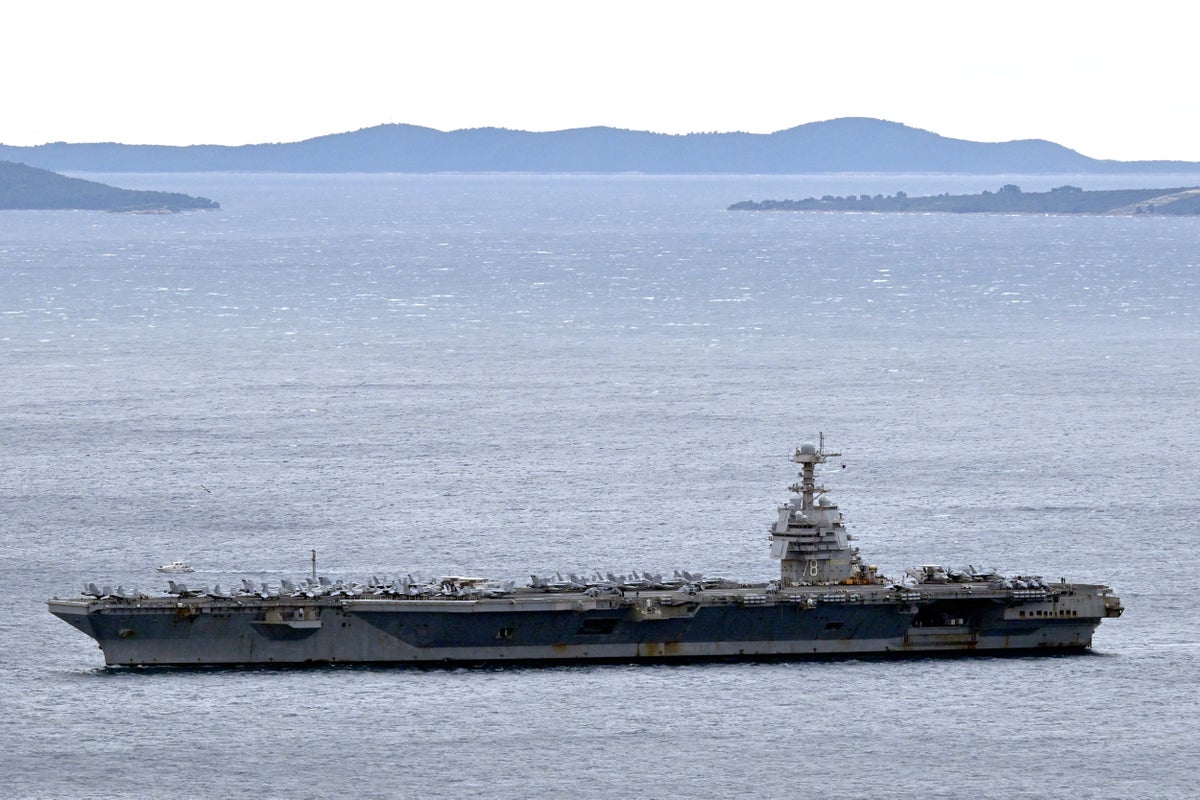
You cannot separate local Yemeni dynamics from the broader Middle Eastern theater. The security of the Bab al-Mandeb strait remains a vital pressure point for international trade. Following intensive maritime confrontations and Houthi naval blockades targeting commercial vessels, international patience has worn thin.
Regional capitals are no longer just absorbing shocks; they are actively building defensive architectures. The formation of expanded maritime security alliances means that any future Houthi escalation at sea will meet immediate, coordinated kinetic responses rather than isolated western patrols.
Furthermore, direct frictions between the Houthis and Saudi infrastructure—marked by recent missile exchanges and naval blockades—threaten to shatter the remnants of the 2022 UN-brokered truce. If Riyadh shifts from containment to an active offensive posture alongside local ground forces, the scale of destruction will escalate exponentially.
What Comes Next on the Ground
If fighting boils over into a full-scale offensive, watch the geography of key gateways.
Marib remains the indispensable political and economic center of gravity for the east. Taiz remains the volatile urban junction that pins down large troop movements. Control over coastal hubs like al-Makha will dictate whether anti-Houthi forces can mount sustained amphibious or coastal drives.
The Houthis still retain formidable advantages: hardened mountain terrain, years of brutal combat experience, and deeply entrenched internal security networks. But they are facing an opponent that has learned painful lessons, rearmed during the lull, and secured tighter regional backing.
The next war won't be a carbon copy of the last. It will be faster, technologically lethal, and bound tightly to the fate of global shipping lanes.
Prepare for a harsher reality.