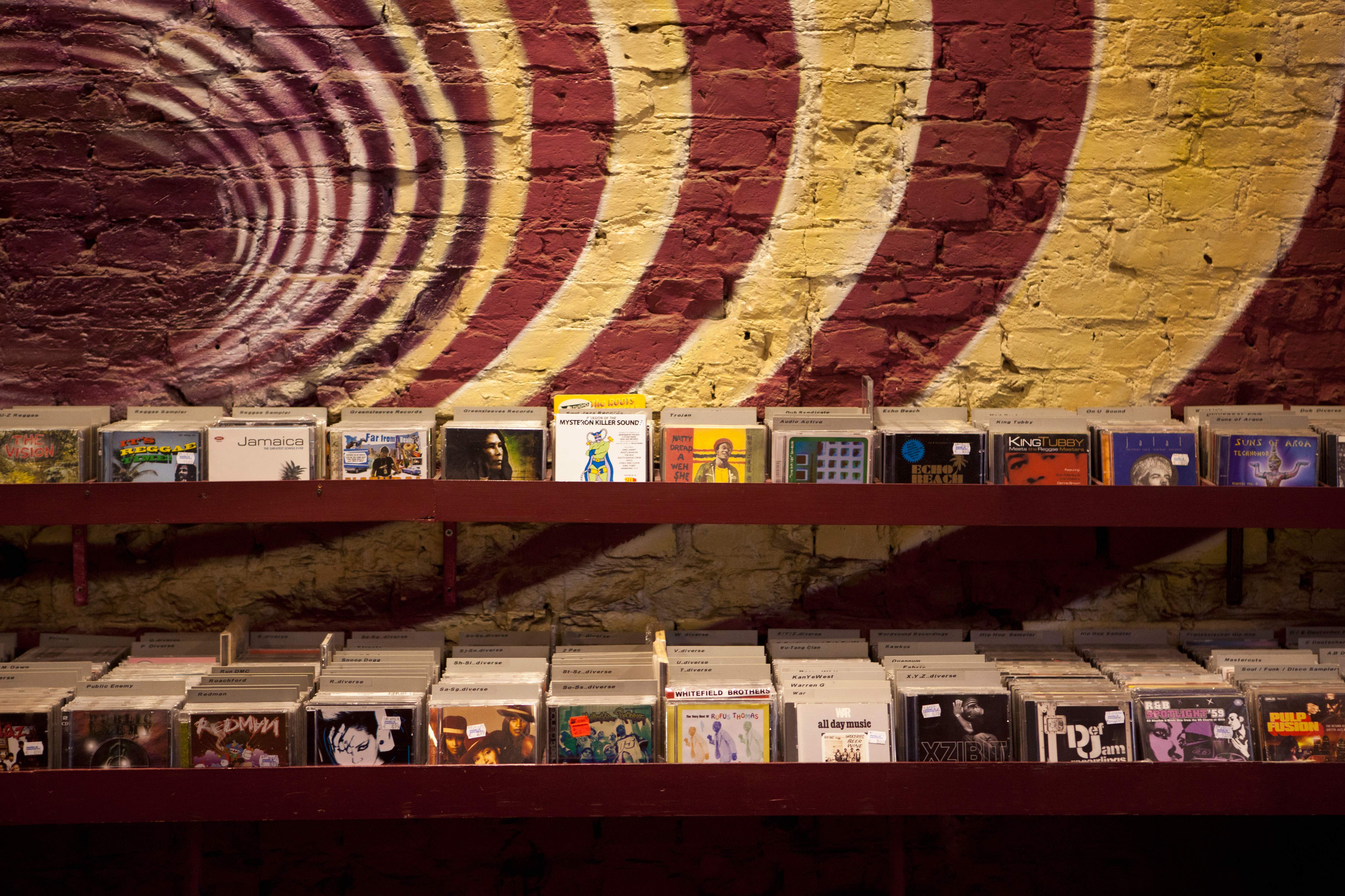
Compact disc sales are climbing again, posting unexpected double-digit growth spikes that have startled industry veterans. According to midyear industry metrics, unit sales for the silver polycarbonate discs jumped sixteen percent over a single tracking period, outpacing the crawl of vinyl records. But before anyone haversacks a vintage Sony Discman out of the attic, we need to talk about what is actually happening. This financial blip is not an audiophile mass conversion. It is a fundamental shift in how physical artifacts function in a rental-first economy.
For two decades, the narrative surrounding recorded music was simple: digital distribution won, ownership died, and physical formats were destined for museum basements. Streaming services conditioned listeners to accept that they owned nothing. Monthly subscription fees bought temporary access to a vast, shifting catalog that could vanish overnight due to licensing squabbles, corporate restructurings, or geographic restrictions.
Then fatigue set in.
The Anatomy of a Counter-Trend
Look closely at the demographics driving the current physical media bump, and a strange detail emerges. A staggering portion of younger buyers purchasing compact discs do not actually own a laser-reading playback device.
They buy them as merchandise, as shrine pieces, and as tangible anchors for artists they want to support directly. A compact disc costs a fraction of a heavy vinyl LP. It takes up less shelf space, survives a drop on a hardwood floor, and provides the same high-resolution digital audio file without requiring a turntable calibration or a preamplifier.
Merchandising mechanics have shifted, too. Major pop acts—particularly within global genres like K-pop—treat the compact disc as a collectible package. Multiple jacket variants, randomized photo cards, fold-out posters, and exclusive liner notes turn a standard jewel case into an unboxing experience. Stripping away those specific collector-focused releases still leaves a steady baseline growth in traditional album purchases, proving that the appetite for tangible weight has broken through the noise.
+-------------------------------------------------------------+
|                The Modern Media Coexistence                 |
+--------------------------+----------------------------------+
| Streaming                | Physical (CD / Vinyl)            |
+--------------------------+----------------------------------+
| Infinite access          | Permanent possession             |
| Algorithmic discovery    | Intentional curation             |
| Rented convenience       | Direct artist support            |
+--------------------------+----------------------------------+
The Ghost of Formats Past
To understand why this medium refuses to die, we have to look at why it was dismissed in the first place. The compact disc spent thirty years taking the blame for aesthetic sins it did not commit.
In the late nineteen-eighties, record labels rushed to transfer analog master tapes to digital files with indifferent haste, resulting in harsh, sterile soundscapes that gave digital audio a bad reputation among purists. A decade later, the loudness wars struck. Sound engineers crushed dynamic ranges to make tracks punch harder on cheap car speakers and early MP3 players, coating the format in a layer of auditory fatigue.
Neither flaw was inherent to the medium. Red Book audio provides a clean, flat-frequency response and a dynamic range that far exceeds human auditory perception. When a compact disc is mastered properly, it outperforms vinyl in signal-to-noise ratio and channel separation without the degradation of groove wear.
Yet, consumers abandoned it because convenience always beats fidelity. Once hard drives and pocket players could hold ten thousand compressed files, carrying a plastic wallet of plastic discs felt like carrying a stone tablet.
The Economics of Extraction
The modern music industry relies heavily on streaming distribution models that pay creators fractions of a penny per stream. For independent artists and mid-tier acts, a million streams might not cover the cost of van maintenance on a regional tour.
Selling a physical object changes the math entirely. When a fan hands over fifteen dollars for a compact disc at a merchandise table or via an independent webstore, the capital retention for the creator is exponentially higher than streaming payouts. Labels know this. Artists know this. The format has survived because it functions as a direct micro-economy between creator and consumer.
Subscription fatigue compounds the effect. Users are growing tired of paying monthly access fees for services that continually raise prices while lowering payout rates to creators. Owning a physical disc offers an emotional counter-weight. It provides security against the day a licensing agreement expires and an album vanishes from a cloud library.
The Limits of the Resurgence
It is easy to misread these statistics. Compact discs are not about to dethrone streaming, nor are they going to render vinyl obsolete. Vinyl remains the reigning king of high-margin physical revenue, prized for its large artwork and ritualistic playback ceremony.
The compact disc occupies a different, more pragmatic niche. It is the compromise format. It delivers uncompressed digital audio, real album artwork, and true ownership at a price point that does not require budgeting.
The industry is not reverting to the past. Instead, the market is fracturing into two distinct paths. One path belongs to renting infinite access for convenience. The other belongs to buying finite objects for meaning. As long as listeners feel the ache of owning nothing in a cloud-bound world, those silver discs will keep moving off the shelves.