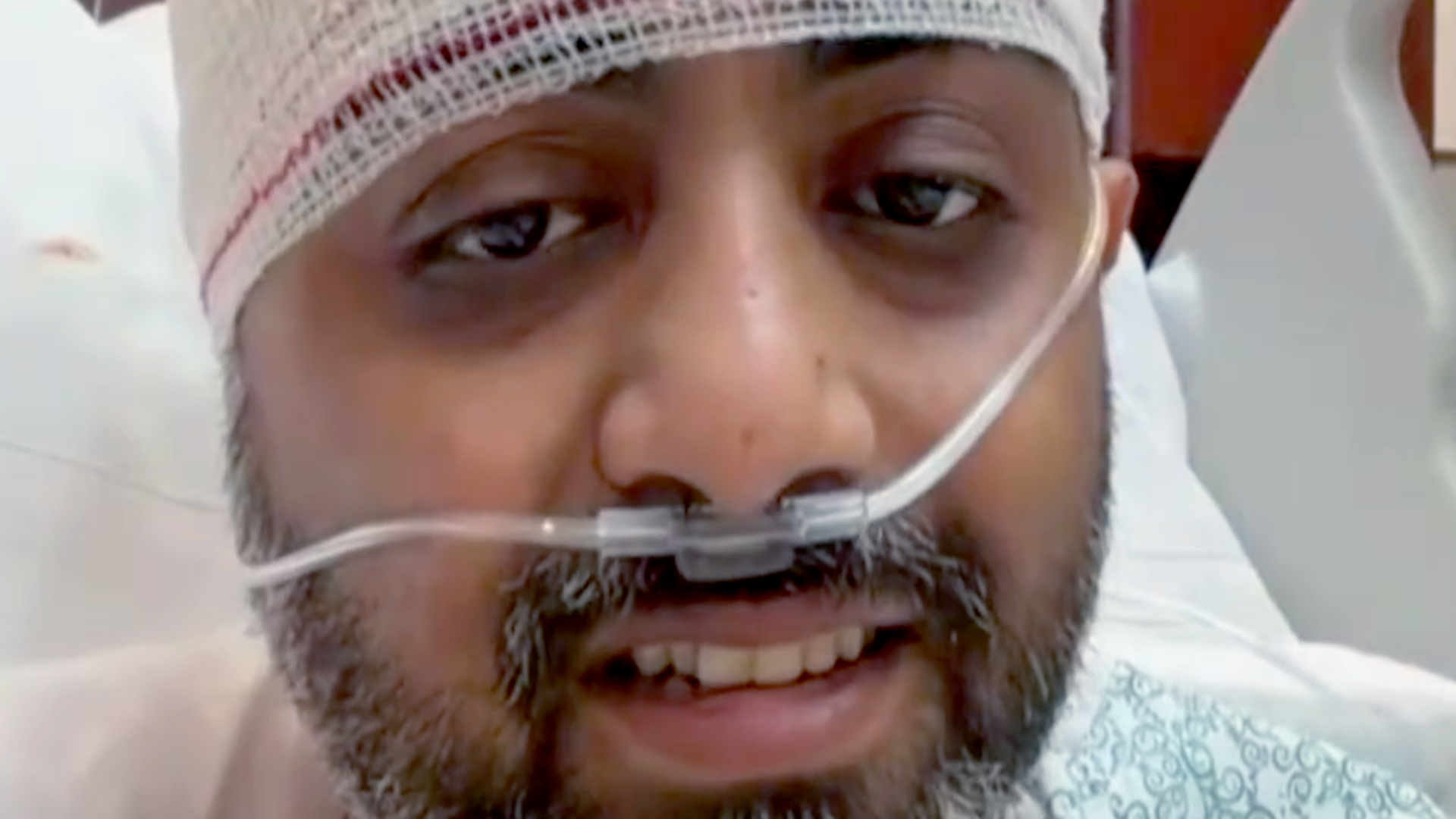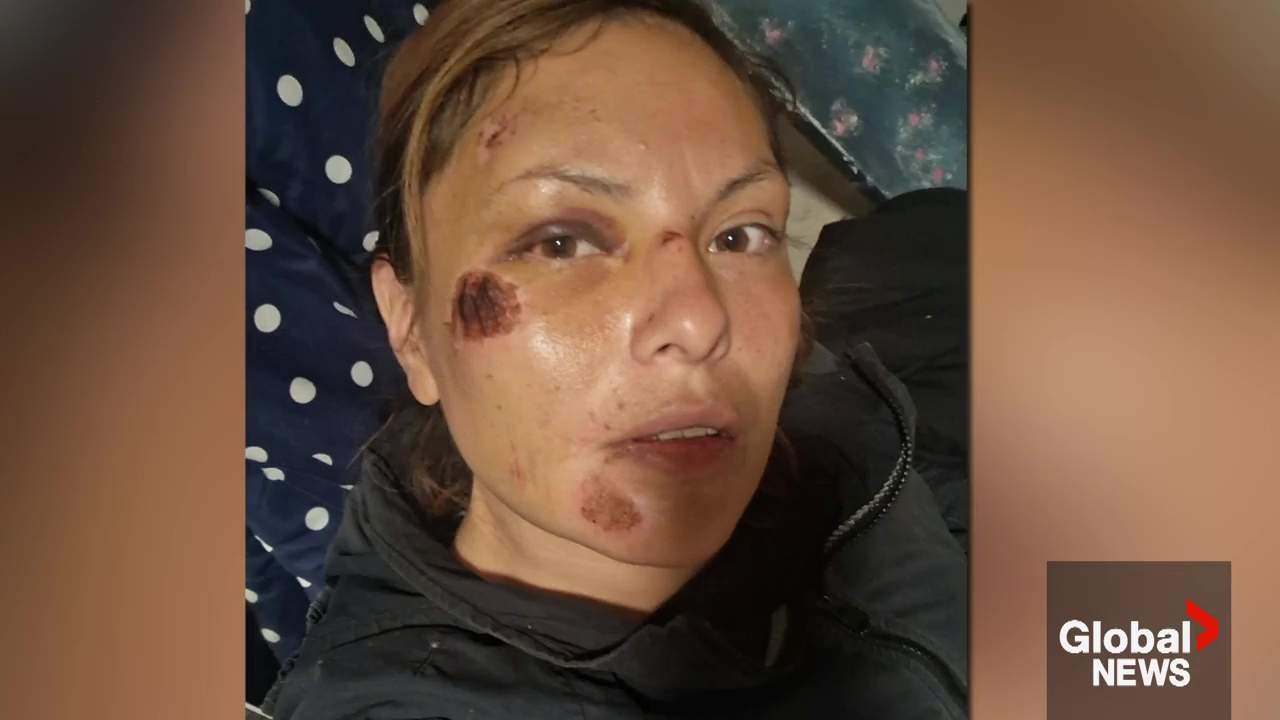
The sidewalk is indifferent. It does not remember the precise angle at which a human jaw meets aggregate concrete. It does not record the sudden, sickening compression of cartilage, the shockwave of a heavy boot, or the hot metallic taste of iron in the back of a throat. To the pavement, an impact is merely a matter of physics.
To a living person, however, an impact is the fracture of safety.
Edmonton is a city defined by its winters, by the way the frost settles into the brickwork of Old Strathcona and lingers along the gray ribbon of the North Saskatchewan River. But safety here—as in any mid-sized North American metropolis—is rarely measured by the weather. It is measured by the tacit contract between the citizen and the state. You walk down 104th Street. You breathe the cold air. You trust that the badge worn within your community exists to anchor order, not to author chaos.
That contract shattered on a pavement surface that afternoon.
The bare facts, stripped of emotion and cataloged by investigators, sound clinical. An allegation. A confrontation. A face smashed against unyielding ground. The Alberta Serious Incident Response Team, known locally as ASIRT, stepped in because the machinery of civil oversight must grind into gear whenever a citizen sustains severe injuries during an interaction with law enforcement. ASIRT is the public’s watchdog, tasked with investigating incidents involving serious injury or death, or matters of public interest relating to police conduct.
Yet numbers and acronyms fail to capture the weight of what happened.
Close your eyes for a moment and consider the mechanics of fear. Fear is not abstract. It is physical. It lives in the high-pitched ringing of the ears when a voice escalates from a question to a command. It lives in the sudden constriction of the throat when hands are roughly seized. For the woman at the center of this Edmonton allegation, the encounter shifted in a heartbeat from a routine public interaction to a violent collision with the ground.
Unprovoked. That is the word hanging heaviest in the air.
In the vocabulary of law enforcement, force is a spectrum. Policies dictate that officers use only the level of physical intervention necessary and reasonable to manage a threat, effect an arrest, or protect public safety. Every push, every takedown, every strike must be justified by the immediate realities of the situation. A baton, a knee, a palm strike, or the forceful propulsion of a human head into concrete—these are not casual gestures. They are heavy, life-altering applications of kinetic energy.
When that energy is applied without justification, the badge ceases to be a symbol of protection. It becomes an instrument of terror.
Consider what happens next in the lifecycle of such a crisis. The sirens fade. The flashing red and blue strobes paint the snowbanks in surreal hues, then wink out. The reports are filed in triplicate. Supervisors are notified. Internal affairs units open preliminary files. And eventually, the file lands on the desk of ASIRT investigators.
For the public, this is where transparency usually goes to hibernate. Investigations of police conduct are notoriously opaque. They crawl through legal corridors, witness interviews, medical records, and dashcam footage at a glacial pace. Months bleed into years. The public grows impatient, suspicious, or cynical. Did the system protect its own? Did the truth survive the paperwork?
We have seen this script play out in cities coast to coast. A dramatic headline breaks. Protests murmur on social media. Editorial boards demand answers. Then, the relentless machinery of bureaucracy slows everything down until the collective outrage cools into a dull ache of resignation.
We cannot afford resignation.
To understand why this Edmonton case matters far beyond the borders of Alberta, we must look at the invisible stakes. Every time an allegation of unprovoked police brutality surfaces and winds its way through oversight channels, a tiny thread in the social fabric frays. If citizens cannot trust the people summoned in an emergency, the entire architecture of civic life wobbles. People begin to second-guess calling for help during a mental health crisis, a domestic dispute, or a break-in. They calculate the risk of the remedy being worse than the disease.
That calculation is a poison that eats away at the soul of a community.
Let us be entirely clear about human fallibility. Police officers wake up and put on heavy boots to walk into dangerous, unpredictable environments. They face volatility, hostility, and split-second decisions that could cost them their lives. The badge is worn under immense stress. Empathy must extend to the complexity of the uniform, acknowledging the toll of constant vigilance.
However, empathy for the officer can never demand the erasure of the citizen.
Accountability is not the enemy of policing; it is its lifeblood. The vast majority of law enforcement personnel wear their uniforms with honor, risking their safety to keep neighborhoods secure. Precisely because of that noble standard, rogue actions or excessive brutality must be dragged into the searing light of day. When an officer steps outside the boundaries of the law, they betray not only the victim whose face hit the pavement, but every single honest cop who walks the beat with integrity.
ASIRT’s investigation into the Edmonton incident is currently that light. Whether it reveals systemic failure or an isolated lapse in judgment, the inquiry represents a vital stress test for our democratic institutions. Does the watchdog have teeth? Can an independent civilian oversight body hold law enforcement genuinely accountable when a citizen’s physical integrity is violated?
The bruises will fade. The swelling on the woman's face will subside, replaced by scar tissue and the slow, stubborn work of psychological recovery. Legal briefs will be drafted. Lawyers will argue over jurisdiction, video angles, and the exact definition of reasonable force.
Yet long after the legal briefs are shelved, the fundamental question will remain suspended in the cold Edmonton air.
Who watches the watchers?
The answer is written on the concrete. It is carved into every instance where power meets vulnerability. Until transparency is absolute, until accountability is swift and impartial, and until every citizen can walk their home streets without the silent, gnawing dread of a sudden, unprovoked fall, the pavement will keep recording the impact. And we will keep counting the cost.