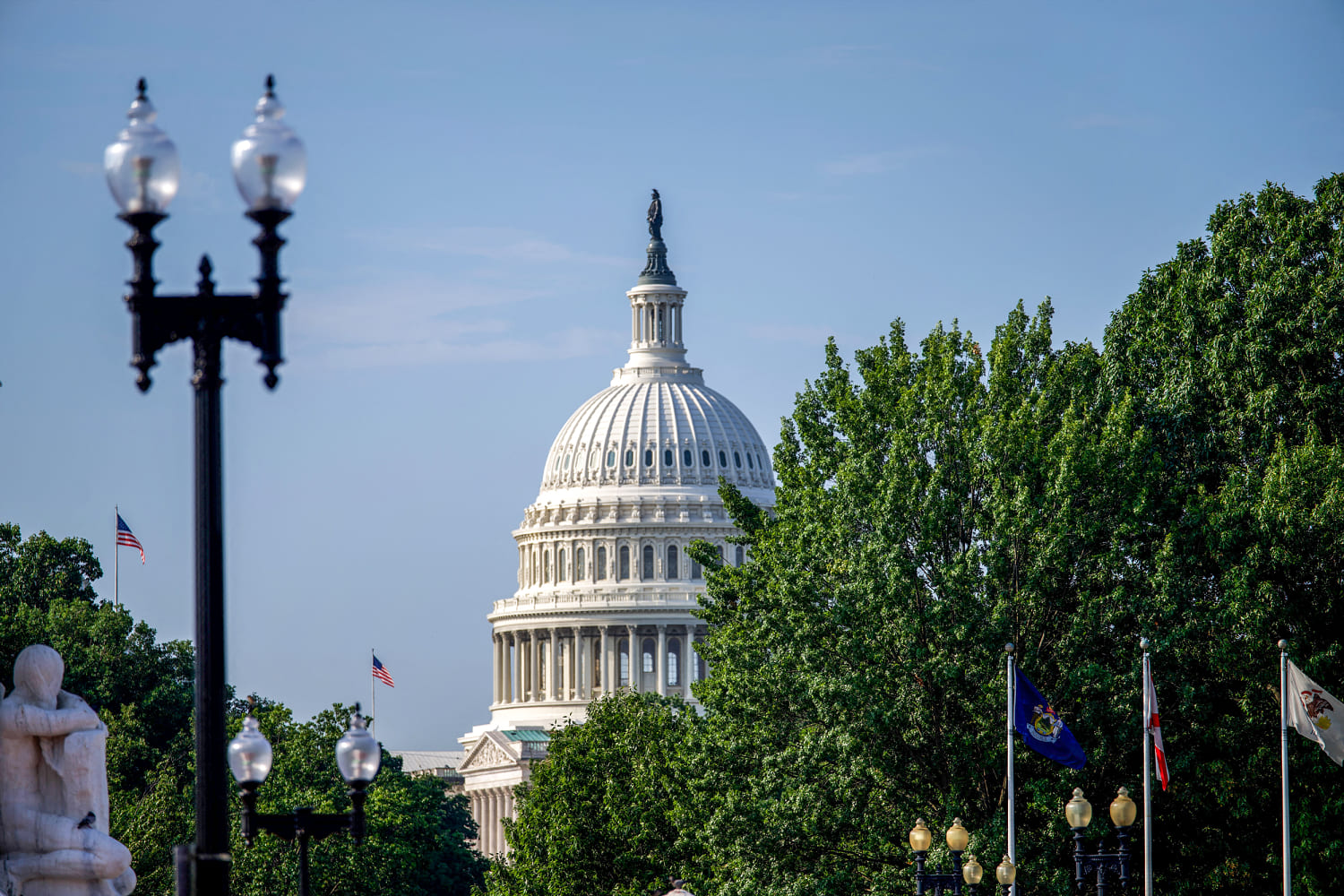
Washington is having another panic attack. Capitol Hill is drowning in hand-wringing reports, closed-door briefings from terrified founders, and emergency hearings designed to make aging lawmakers look like digital-age sentinels. The lazy consensus echoing through every mainstream newsroom is simple: Congress is asleep at the switch, paralyzed by partisan gridlock, and our failure to pass sweeping artificial intelligence legislation before the election is an existential national security threat.
It is a completely inverted read of reality. Meanwhile, you can explore similar stories here: Why Everything You Write About Moscow Smart City Surveillance Is Lazy Western Fiction.
Congressional inaction on artificial intelligence is not a failure of governance. It is a masterclass in accidental restraint. I have spent the last two years watching venture capital syndicates and legacy lobbying shops swarm Washington with a singular, cynical objective: get the government to write safety rules that lock in their oligopoly. When an incumbent tech titan begs for regulation, your default assumption should be that they are trying to pull up the drawbridge behind them.
Every time a politician threatens to halt the machines, they misunderstand the nature of the technology and the geometry of power. To see the complete picture, we recommend the detailed report by Wired.
Let us start by dismantling the premise that a gridlocked Congress leaves a dangerous regulatory vacuum. In Washington, a vacuum does not stay empty. It gets filled by whoever has the deepest pockets and the most compliant bureaucrats. If lawmakers rushed through an omnibus oversight bill today, it would not protect citizens from algorithmic bias or existential risk. It would enshrine compliance moats that make it legally impossible for a small team in a garage to compete with trillion-dollar incumbents.
Look at the history of digital regulation. Every major piece of sweeping tech legislation over the past thirty years has achieved two things: it entrenched existing monopolies, and it added administrative overhead that crushed nimble challengers. Big tech firms love compliance costs. They can absorb a hundred million dollars in legal fees and mandatory audits out of pocket change. A seed-stage startup cannot. When you demand federal licensing for advanced model training, you are not saving humanity from Skynet. You are ensuring that only three corporations get to build the future.
The argument that legislators must act immediately to prevent election interference or societal destabilization relies on a flawed view of how software evolves. Code moves at lightspeed. Legislation moves at the speed of a tectonic plate crawl. By the time a committee drafts a compromise bill, debates amendments, passes it through both chambers, and survives judicial challenges, the underlying architecture of the technology has shifted twice. Writing static laws for a dynamic, self-improving medium is like trying to regulate the internet in 1995 with a nineteenth-century railway code. You end up governing yesterday's ghost while missing tomorrow's tsunami.
This does not mean we abandon all guardrails. It means we stop looking to the federal government to solve problems it fundamentally lacks the technical literacy to grasp. Real accountability comes from open-source distribution, decentralized compute, and ruthless market competition. When models are locked inside corporate fortresses with proprietary APIs, safety becomes a marketing slogan for closed systems. When weights are public and distributed across millions of consumer devices, transparency wins.
The most dangerous thing Congress could do right now is listen to the alarmists. The alarmists are either incumbents seeking regulatory protection, or professional anxiety-peddlers selling consulting hours to corporate boards. They want you to believe that the sky is falling so they can sell you an expensive umbrella made of bureaucratic red tape.
Stop waiting for politicians to save you from software. The best thing Washington can do for artificial intelligence is to stay out of the way, leave the code alone, and let the market break the monopolies that are currently begging for a government-mandated monopoly.
article>