Paper trails don't vanish easily, and South Korea's transport ministry just learned that the hard way. When investigators caught officials red-handed trying to rewrite the narrative of a national tragedy, public trust fractured beyond a quick press release fix.
Police in Seoul took concrete action by seeking criminal indictments for seven officials from the Ministry of Land, Infrastructure and Transport. Their crime wasn't crashing the plane. It was drafting and distributing false official documents to hide the truth about a lethal runway hazard.
The Deadly Muan Airport Hazard
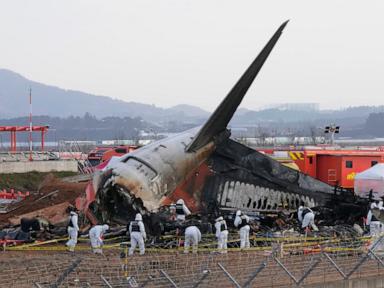
Let's look at what actually happened. Following the tragic 2024 Jeju Air crash at Muan International Airport, attention quickly turned to why the death toll was so catastrophic. The Boeing 737-800 skidded off the runway when its landing gear failed to deploy, slamming directly into a rigid concrete structure.
That structure housed a localizer, which is a set of antennas meant to guide incoming planes. Aviation standards are clear on this point. Equipment sitting near runways must be built using frangible, easily breakable materials so they shear off on impact. Muan Airport's localizer sat on a solid concrete embankment that didn't break. It amplified the destruction, turning what could have been a survivable runway excursion into South Korea's deadliest aviation disaster since 1997.
Spinning the Truth for Reporters
Instead of owning up to regulatory oversight failures, ministry officials panicked. Police investigations revealed that the ministry sent out two sets of press materials to hundreds of reporters in late December 2024.
These documents explicitly claimed the localizer complied with all domestic and international rules. That was a lie. The ministry's own internal guidelines stated that all obstacles on airport grounds must be frangible regardless of their exact placement. Officials deliberately omitted that clause, choosing to protect themselves rather than inform the public.
The special investigation team didn't stop at a slap on the wrist. They referred the seven individuals to prosecutors on charges of preparing and using false official documents. If convicted, these bureaucrats face up to seven years in prison.
Shifting Blame to Dead Pilots
The cover-up attempt fits a broader pattern of institutional deflection. Last year, the Aviation and Railway Accident Investigation Board planned to drop initial findings suggesting bird strikes and human error caused the crash, claiming pilots shut down the wrong engine.
That announcement got pulled after fierce pushback from grieving families and pilot unions. They pointed out the obvious. Blaming dead flight crew members convenienty draws attention away from systemic infrastructure failures and regulatory negligence.
Nearly 70 other people remain under active investigation, spanning airport operators and installation teams. Investigators plan to wrap up major phases of the probe soon, but the damage to the ministry's credibility is permanent. Transparency is the only way forward when lives are lost, and hiding behind doctored paperwork only guarantees harsher accountability down the road.
Jeju Air Plane Crash Ministry Official Indictment Details
This video provides direct news coverage and local broadcast reporting on the South Korean police referring transport ministry officials to prosecutors over the falsified press statements regarding the Muan airport localizer.