When a Turkish court ordered 16 people jailed in Izmir following a wave of coordinated police raids, it wasn't just another routine legal proceeding. It marked a brutal escalation in an intensifying state campaign targeting civil society, human rights defenders, and queer organizations. If you've been following Turkish politics, you know the rhetoric has grown increasingly hostile. Now, that rhetoric has transformed into mass pre-trial detentions and systemic asset freezes.
The September raids stretched far beyond Izmir, hitting cities like Istanbul, Ankara, Aydın, and Mersin. Authorities targeted prominent advocacy organizations, including groups focused on queer rights and HIV support. Digital equipment was seized, office spaces ransacked, and websites blocked. Even social media accounts belonging to independent media outlets and human rights organizations, such as Amnesty International's Turkey branch, faced sweeping access bans. If you liked this article, you might want to look at: this related article.
The Legal Fiction Behind the Raids
Homosexuality has never been explicitly illegal under Turkish law. That single legal reality creates a bizarre paradox for prosecutors. Because they cannot arrest people simply for existing or identifying as queer, the state relies on vague, malleable accusations.
During the Izmir and Ankara sweeps, officials slapped detainees with charges related to obscenity, drug offenses, and prostitution. Trans women and community organizers bore the brunt of these accusations. Human rights monitors point out that these charges are a smokescreen designed to criminalize advocacy under the guise of protecting public morality. For another look on this story, refer to the latest coverage from The New York Times.
Government officials often frame these actions around policies branded under initiatives like "My Family is Safe". The justice ministry and allied political figures argue that such measures are necessary to safeguard social order and traditional family structures. But civil society groups see an entirely different objective: the complete dismantling of independent oversight and the silencing of dissenting voices.
The Domino Effect on Independent Media and Civil Society
You can't separate this crackdown from the broader erosion of democratic institutions in the country. When the state shuts down organizations like Kaos GL or youth networks like Genç LGBTİ+, the chilling effect ripples across every other advocacy sector.
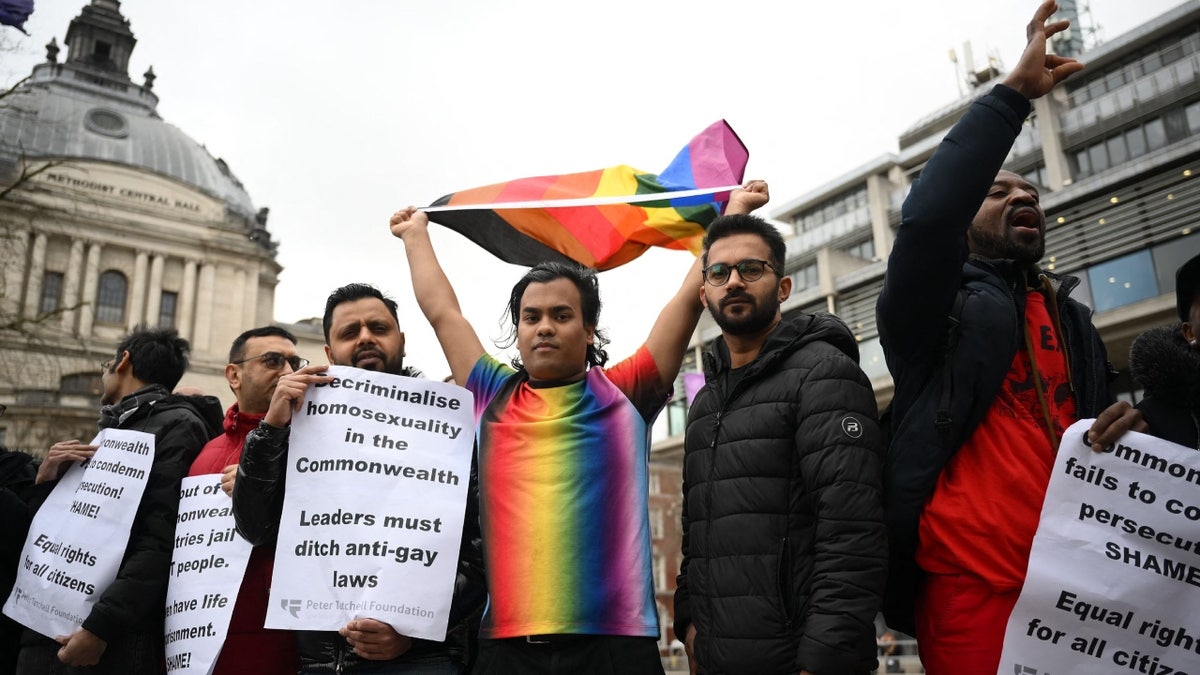
Journalists covering the arrests have found themselves caught in the crosshairs. Reporting on state overreach or documenting police violence at protests now carries a prison threat. When police used tear gas against demonstrators rallying in Izmir against the detentions, it signaled that public dissent would be met with immediate force.
International pressure has mounted quickly. Representatives from the European Union, along with joint statements from countries like Germany, France, and the Netherlands, have condemned the sweeping arrests. The European Parliament's Turkey rapporteur labeled the wave of detentions a shocking escalation. Yet, domestic authorities remain defiant, dismissing international criticism as unfair and prejudiced.
What This Means Moving Forward
The strategy deployed against Izmir's queer community establishes a dangerous blueprint. When a government can systematically liquidate human rights organizations by weaponizing morality laws, no independent group is safe. Environmental lawyers, labor organizers, and anti-corruption watchdogs are watching closely because they know they could be next.
Resistance hasn't vanished, but it has grown perilous. Activists continue to push back through legal challenges and international advocacy, refusing to let the crackdown happen in total silence. The courtroom doors in Izmir slammed shut for those 16 individuals, but the larger battle over the future of Turkish civil society is wide open.
Dozens detained in Türkiye crackdown targeting LGBTQ+ activists
This video provides a firsthand look at the protests and police responses surrounding the sweeping government raids and detentions targeting LGBTQ+ activists in Turkey.