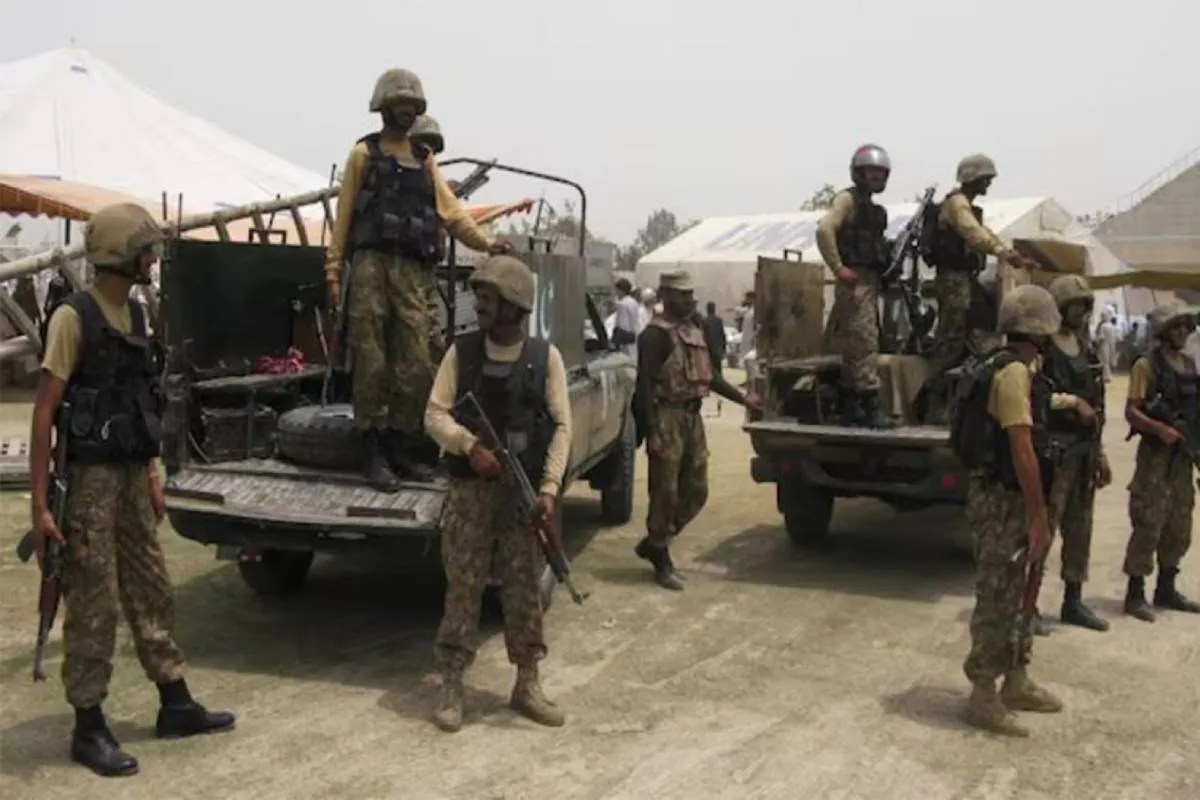
The headlines coming out of Balochistan paint a terrifying picture. Recent aerial bombardment and drone attacks have ripped through residential areas, leaving homes destroyed and families displaced. While Islamabad frames these operations as necessary counterterrorism strikes against separatist groups like the Baloch Liberation Army (BLA), the ground reality tells a different story. Innocent civilians are catching the brunt of the fire, and local anger against the Pakistani army is boiling over like never before.
This isn't a new conflict, but the tactics have changed drastically. The military's reliance on heavy airstrikes and surveillance drones in packed villages shows a dangerous disregard for human life. When a drone strike hits a house, it doesn't just eliminate a target. It destroys a family, flattens a community, and pushes another generation of young Baloch men into the arms of insurgents. You can't bomb a population into submission and expect them to wave the national flag.
The Collateral Damage of Pakistan's Drone Strategy
Recent reports from regions like Zehri and Nushki highlight a grim pattern. Jet fighters and remote-controlled drones hover constantly over towns, turning daily life into a psychological nightmare. When these weapons fire, the results are catastrophic. Entire houses are reduced to rubble within seconds. Local rights groups, including the Baloch Yakjehti Committee, have repeatedly documented instances where women and children were killed in these strikes.
The state usually responds with a complete media blackout or a simple shrug, labeling everyone inside a struck building as a terrorist. This blanket denial backfires completely. People on the ground see their neighbors' homes pulverized. They see the bodies. The immediate result is deep, unyielding fury directed straight at the military command in Rawalpindi.
Why Force Fails in the Region
Islamabad has tried to manage Balochistan through sheer military might for decades. It hasn't worked. In fact, the insurgency has only grown more organized, sophisticated, and lethal. By using heavy-handed tactics like enforced disappearances and aerial bombing, the state strips away any remaining trust.
Many analysts point out that the state's economic exploitation of the province makes the military aggression feel even worse. Balochistan is incredibly rich in natural resources, including gas and minerals, yet its people remain among the poorest in Pakistan. When billions are poured into massive infrastructure projects like the Gwadar port while locals lack clean water and basic safety, tension is inevitable. Add drone strikes to that mix, and you have a recipe for perpetual war.
The Recruitment Cycle
Every time an unguided rocket or a drone missile hits a civilian home, the insurgent groups get a massive boost. Young people who see no future under political repression choose the path of active resistance. They feel they have nothing left to lose. The military thinks it's wiping out threats, but it's actually building a self-sustaining cycle of violence.
What Needs to Change Immediately
The path Pakistan is currently on leads straight to a dead end. If the government actually wants stability, it must stop treating its own territory like an occupied foreign country.
First, the military needs to ground the drones and stop the indiscriminate aerial bombing of residential zones. There must be independent investigations into civilian casualties, accompanied by real accountability and compensation for families who lost everything. Second, the state has to open up the region to independent journalists and international human rights monitors. Hiding the damage under internet shutdowns only fuels rumors and deepens mistrust.
True security will never come from the sky. It comes from political inclusion, economic justice, and treating the people of Balochistan as citizens rather than targets. Until Islamabad shifts from a military mindset to a humanitarian one, the smoke rising from destroyed homes will continue to light the path for further conflict.