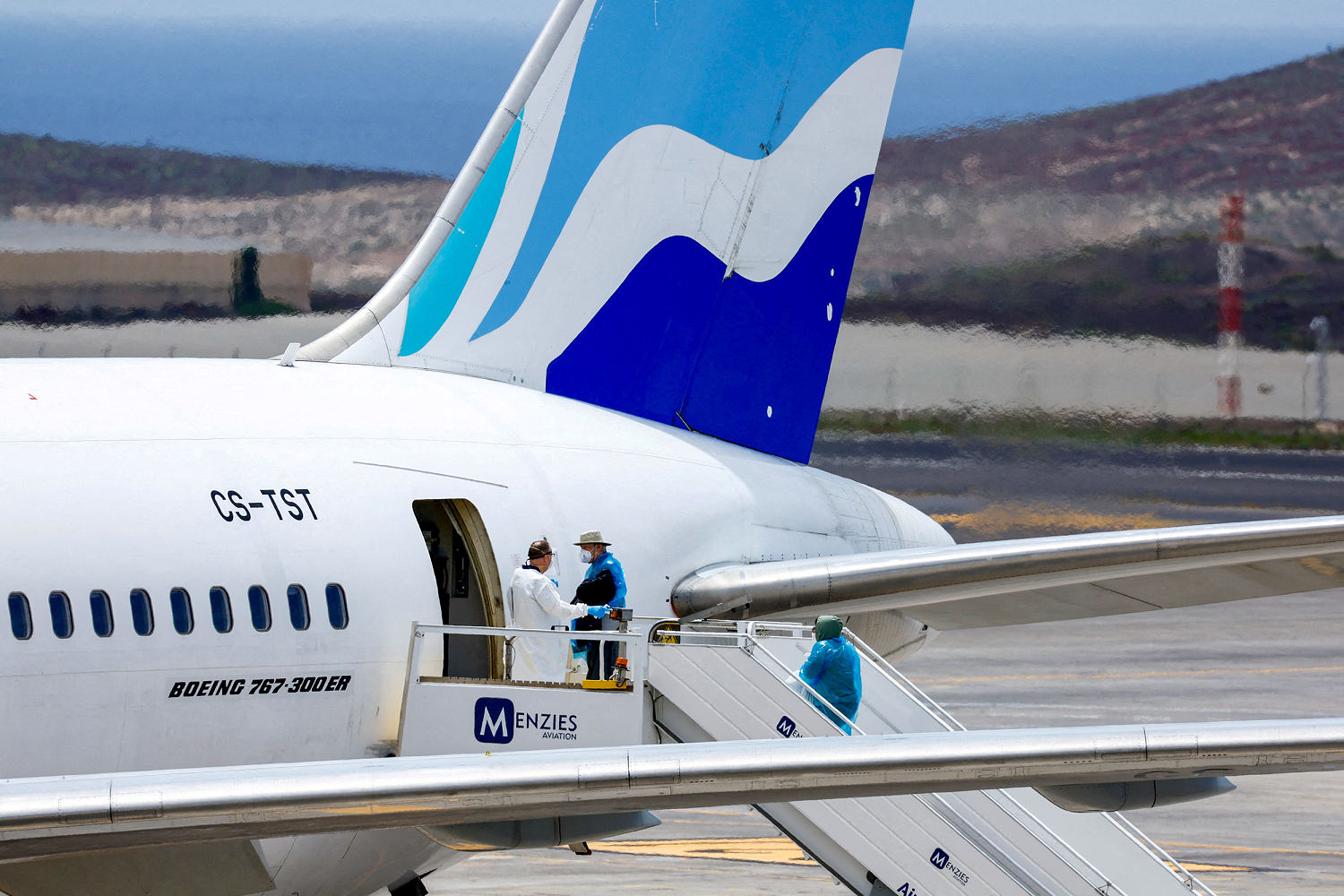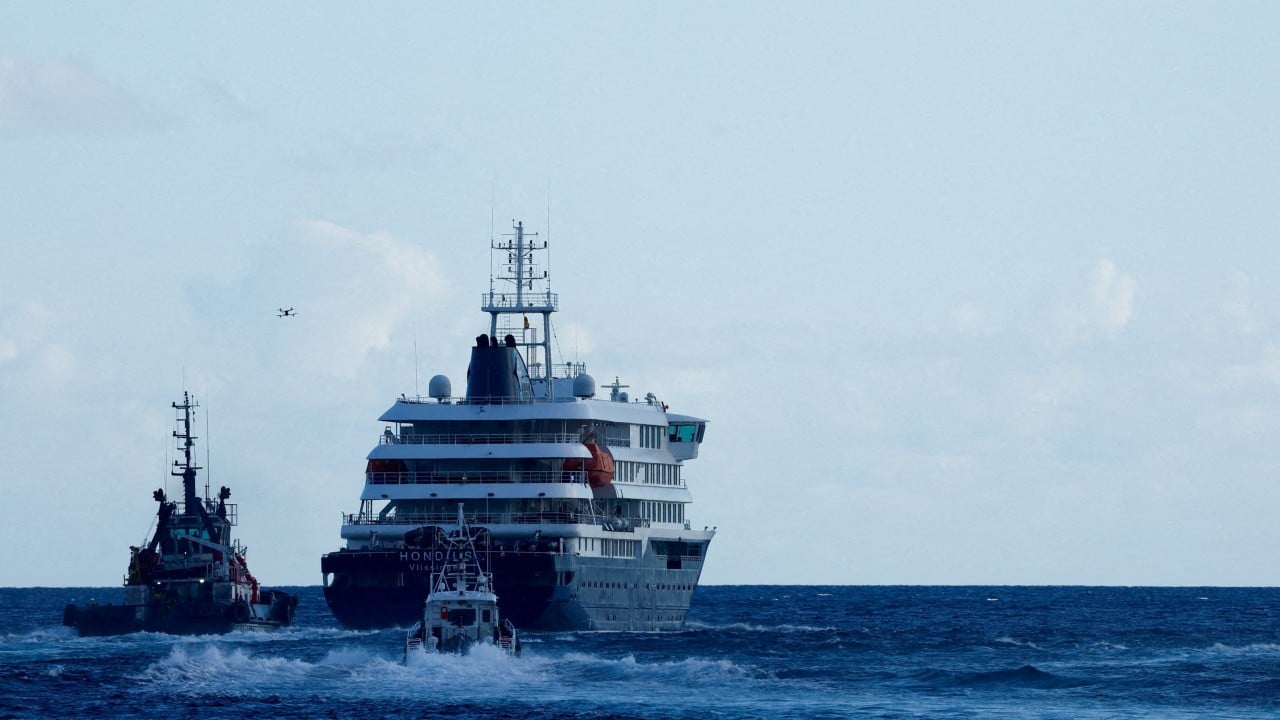
A Canadian cruise passenger currently isolating in British Columbia has returned a presumptive positive test for hantavirus, marking a critical escalation in the multi-country outbreak tied to the Dutch-flagged vessel MV Hondius. The patient, a Yukon resident in their 70s, developed a fever and headache before testing positive late Friday evening at a Victoria hospital. While public health officials rush to calm a skittish post-pandemic public, the diagnosis strips away any remaining illusions that the maritime cruise sector is structurally prepared for highly lethal, atypical pathogens that defy standard thermal screening and airport protocols.
The case represents the 10th infection linked directly to the luxury expedition ship, which departed Ushuaia, Argentina, on April 1. Three passengers have already died. As the National Microbiology Lab in Winnipeg works to formally confirm the Canadian sample, the unfolding quarantine effort highlights a massive structural vulnerability in how international port authorities, vessel operators, and domestic health agencies track pathogens that don't fit the traditional respiratory blueprint.
Anatomy of a Silent Shipboard Outbreak
The maritime industry has spent billions upgrading air filtration and sanitation infrastructure over the last six years, but those systems were calibrated to fight highly contagious, low-fatality viruses like Norovirus or variants of COVID-19. Hantavirus operates on an entirely different biological timeline.
The incubation period for the Andes strain identified in this outbreak spans up to six weeks. This protracted latency period turns infected passengers into biological time bombs who easily clear standard border entry checks while feeling perfectly healthy. When the four Canadian passengers touched down at Victoria International Airport on May 10, none displayed a single symptom. They were funneled directly into a mandatory 21-day quarantine solely because epidemiological tracking placed them on the same vessel as a deceased Dutch couple and a German woman who succumbed to the illness at sea.
The public health response in British Columbia has been clinically efficient, yet it exposes the razor-thin margin between containment and a domestic emergency. The infected Yukon resident's partner initially tested negative but has since developed minor symptoms, prompting a hospital transfer. Out of extreme caution, a third isolated passenger in their 50s was also moved to a hospital ward for active monitoring. This rapid consumption of specialized isolation beds by a single travel cluster underscores how quickly a slow-burning exotic pathogen can strain local medical resources.
The Deadly Flaw in Maritime Screening
Epidemiological data compiled by the World Health Organization reveals that the index case likely contracted the virus during a land excursion in South America before boarding the MV Hondius. For weeks, the virus quietly circulated on board.
The fundamental issue is that hantavirus infections mimic routine cruise complaints in their early stages. The initial onset features generic ailments.
- Severe headaches
- Low-grade fevers
- Mild abdominal pain and diarrhea
On an expedition cruise crossing the choppy waters of the South Atlantic, a passenger complaining of nausea, fatigue, and a headache is almost universally diagnosed with standard sea-sickness or a mild gastrointestinal bug. By the time the virus triggers Hantavirus Pulmonary Syndrome—flooding the lungs with fluid and causing acute respiratory distress—the patient is often already slipping into irreversible shock.
The ship’s medical log tells a harrowing story of diagnostic confusion. The first victim, a 70-year-old Dutch national, began showing symptoms on April 6 but died on board on April 11, with the death initially chalked up to generic natural causes. It took nearly a month, multiple stops at remote territories like Saint Helena, and a string of subsequent passenger deaths in South African and European hospitals before health agencies connected the dots and deployed specific PCR testing.
The Shadow of Human Transmission
Public health officers are walking a delicate line, repeatedly assuring communities that hantavirus lacks pandemic potential. This is technically accurate but dangerously incomplete.
Unlike North American hantaviruses, which are strictly contracted by inhaling aerosolized dust contaminated with rodent droppings, the South American Andes strain is uniquely capable of limited human-to-human transmission. It requires close, prolonged contact, the exact environment cultivated inside a cruise ship cabin, a shared dining salon, or an economy-class commercial flight during passenger repatriation.
The World Health Organization’s current working hypothesis explicitly notes that after the initial land-based exposure, subsequent transmission likely occurred directly between passengers on board the ship. This detail transforms the MV Hondius incident from a simple case of bad luck during a nature hike into a systemic failure of shipboard infection control.
The economic and logistical fallout is already global in scope.
- The United States: Quarantining 18 high-risk passengers in specialized biocontainment units across Nebraska and Georgia.
- The Philippines: Tracking 38 crew members who face a grueling 42-day quarantine upon their forced return to Europe.
- Spain: Embroiled in internal political sparring over the transfer of repatriated passengers to military isolation facilities in Madrid.
Beyond the Horizon
The Canadian patient in Victoria is currently reported to be stable and receiving supportive care, which remains the only viable treatment strategy given the total absence of an approved antiviral drug or vaccine for hantavirus. This case proves that relying on passengers to self-report illness at the border is an obsolete defense mechanism against long-incubation pathogens.
If the cruise industry intends to continue operating deep-wilderness itineraries in ecologically distinct global regions, operators must integrate advanced diagnostic panels into shipboard medical bays rather than relying on destination ports to solve epidemiological mysteries after bodies begin accumulating. The current approach shifts the financial and operational burden entirely onto domestic health systems, transforming a private luxury vacation into a public containment operation.