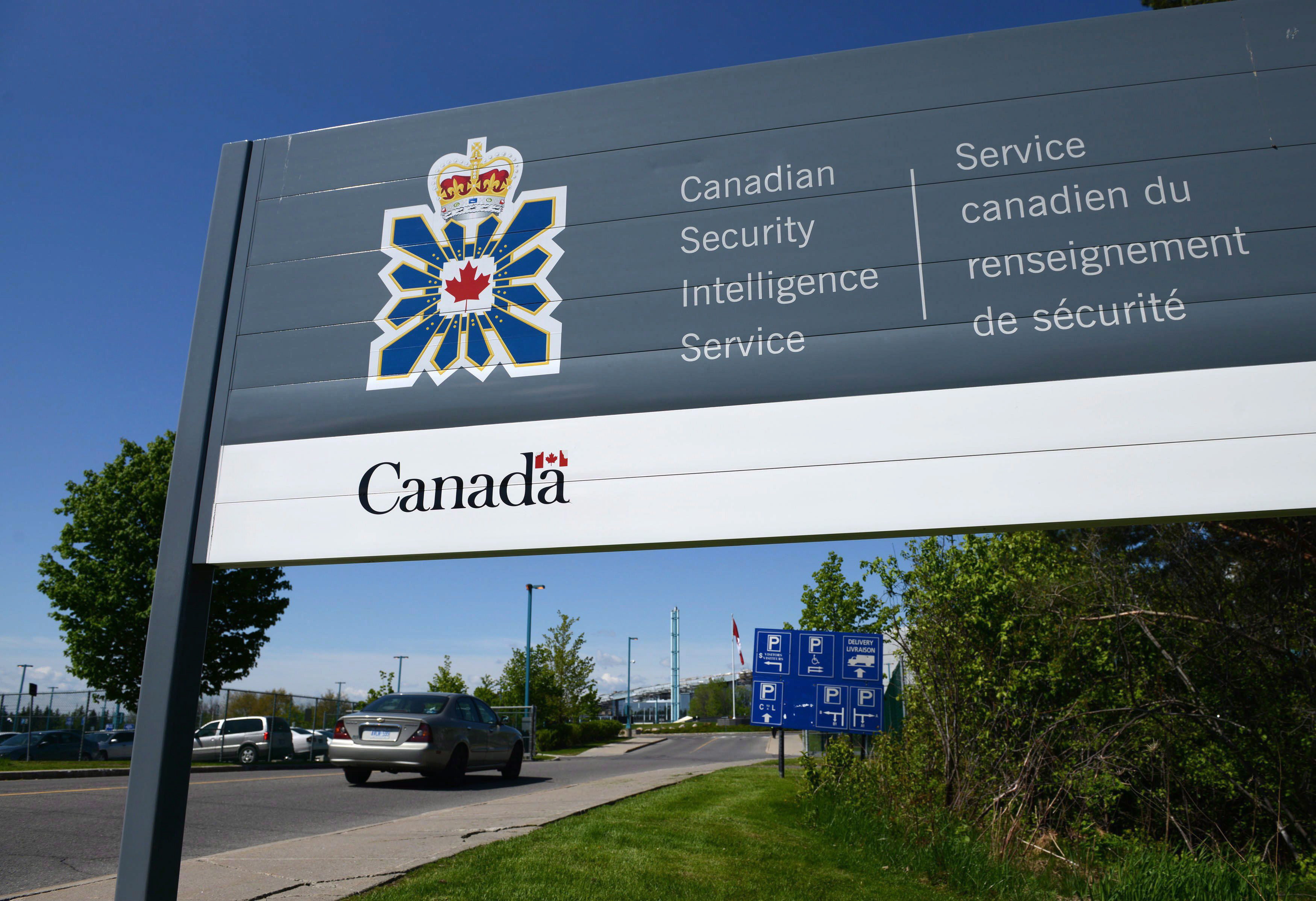
Canada's main spy agency is finally packing its bags for a much bigger global footprint. Following a massive $6 billion funding injection, the Canadian Security Intelligence Service (CSIS) is preparing for a major expansion of its foreign posts, a move that signals a blunt admission from Ottawa that watching threats from inside domestic borders no longer works.
For decades, CSIS operated largely as a domestic intelligence agency with a modest international presence. That model is dead. Modern national security threats—ranging from foreign interference in Canadian elections to transnational cyberattacks and hostile state espionage—don't respect geography. You can't track a Beijing-backed disinformation campaign or a Tehran-linked assassination plot solely from an office in Ottawa. For an alternative view, check out: this related article.
The Reality Behind the $6 Billion Windfall
Let's be clear about what this money actually represents. A $6 billion budget boost isn't just routine inflation adjustment or a shiny new headquarters. In the context of Canadian defense and intelligence spending, it's a generational shift in priorities.
Historically, Canada has leaned heavily on its Five Eyes partners—the United States, the United Kingdom, Australia, and New Zealand—to do the heavy lifting abroad. While the Communications Security Establishment (CSE) handles signals intelligence and cyber operations, CSIS has often been hamstrung by tight budgets and narrow legal mandates when operating outside Canadian soil. Related analysis on this trend has been published by The Washington Post.
When you underfund human intelligence abroad, you become a net consumer of secrets rather than a producer. Allies notice. Eventually, they stop sharing their best material if you aren't bringing anything fresh to the table.
This funding surge changes the math. By committing billions over the coming years, the federal government is giving CSIS the capital required to recruit specialized officers, build secure overseas infrastructure, and sustain long-term stations in regions where Canadian interests are actively targeted.
Why Foreign Posts Matter More Than Satellites
People often assume modern espionage happens entirely in dark rooms filled with supercomputers. It doesn't. Signals intelligence tells you what someone said over an encrypted channel, assuming you can crack it. Human intelligence tells you what they're actually planning to do next Tuesday.
Expanding CSIS foreign posts puts trained intelligence officers directly into the environments where threats originate. That means:
- Direct liaison with local security services in regions where formal diplomatic channels move too slowly.
- On-the-ground threat assessments for Canadian diplomats, businesses, and diaspora communities facing transnational repression.
- Independent verification of intelligence passed along by allies, reducing blind spots when partner nations have different geopolitical priorities.
Honestly, relying exclusively on allied intelligence is like copying someone else's homework without knowing if they actually studied. Sometimes Washington or London sees a threat through their own strategic lens, missing nuances that directly affect Toronto, Vancouver, or Montreal.
The Legislative Shift That Made This Possible
Money alone wouldn't have been enough to push CSIS abroad at this scale. For years, the CSIS Act—originally written in 1984—created massive legal headaches for officers operating outside Canada.
Courts repeatedly ruled that CSIS lacked the authority to seek warrants for intrusive surveillance abroad if those activities violated local laws, even when tracking threats aimed squarely at Canada. That legal wall crippled operational flexibility.
Recent legislative updates, notably Bill C-70 (the Countering Foreign Interference Act), modernized those rules. The updated framework clarifies CSIS's ability to collect intelligence abroad and share information more freely with entities outside the federal government, including provincial authorities, universities, and private-sector targets.
Now, the legal authority and the bankroll are finally aligned. You have the mandate to operate globally, and you have the cash to pay for the plane tickets, safe houses, and diplomatic cover.
Where the New Stations Will Likely Focus
CSIS never publishes a neat directory of its foreign stations, and for good reason. Security liaison officers operate under varying degrees of diplomatic cover, and advertising their locations invites immediate counter-intelligence scrutiny from host nations.
Still, you don't need a top-secret clearance to read the map of Canadian national security priorities.
- The Indo-Pacific Region. Canada's Indo-Pacific Strategy explicitly identifies China as an increasingly disruptive global power. Expect significant growth in posts across East and Southeast Asia to monitor economic espionage, intellectual property theft, and interference networks targeting diaspora communities.
- Eastern Europe and the Arctic Periphery. Russia's ongoing aggression and heightened military activity in the High North require constant human intelligence monitoring across European capitals and Nordic partner states.
- The Middle East and South Asia. Recent public inquiries and criminal indictments have exposed how state-sponsored actors from Iran and India have allegedly operated on Canadian soil, including plots involving extortion and targeted killings. Stopping those threats requires upstream intelligence before operatives ever board a flight to Pearson or YVR.
The Practical Headaches Nobody Mentions
Throwing $6 billion at an intelligence agency sounds impressive in a press release, yet scaling up human intelligence is brutally difficult in practice. You can't just post a job listing on LinkedIn and deploy a seasoned case officer to a hostile capital six months later.
Recruiting, vetting, and training intelligence officers takes years. Top-secret security clearances in Canada have historically suffered from massive backlogs, sometimes dragging on for over a year. If CSIS doesn't fix its internal hiring bottlenecks, billions of dollars will sit unspent while desks remain empty.
There is also the diplomatic friction. Expanding foreign posts requires negotiating accreditation with host governments through Global Affairs Canada. In friendly nations, that's routine paperwork. In adversarial states, every new Canadian intelligence officer posted to an embassy triggers a tit-for-tat game of diplomatic expulsions and surveillance.
What This Means for Canadian Businesses and Institutions
If you run a Canadian tech firm, a university research lab, or a critical infrastructure company, this expansion isn't just abstract geopolitical news. A larger CSIS overseas footprint directly feeds into the agency's domestic defensive briefings.
Historically, Canadian companies complained that intelligence warnings were too vague to be actionable. An officer might tell a CEO that a foreign state was "interested" in their sector without providing concrete details. With modernized information-sharing laws and richer intelligence flowing back from new foreign posts, CSIS can provide much sharper, timely warnings about specific state-backed actors targeting Canadian intellectual property.
Pay closer attention to outreach from CSIS regional offices over the next two years. Audit your international research partnerships, tighten vetting for visiting scholars or foreign investors in sensitive sectors, and establish a direct point of contact with federal security liaisons before a breach forces your hand.