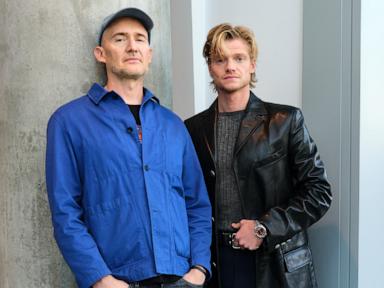
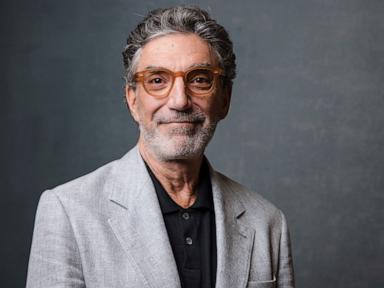
Network TV usually treats Silicon Valley like a shiny sci-fi set with glass walls and hoodie-wearing villains. Cupertino does something sharper. Created by Robert and Michelle King, the CBS legal drama that premiered in October 2026 turns real courtroom headaches from the tech world into weekly friction for two ousted lawyers starting over.
Mike Colter plays Michael Price and Rachel Keller plays Olivia Siffre. Both get pushed out of their startup roles and decide to build an underdog firm taking on the heavyweights around them. Instead of inventing futuristic gadgets that don't exist yet, the show pulls straight from disputes already colliding with federal agencies, state laws, and civil courts.
How Cupertino Turns Real Tech Disputes Into Plotlines
Anyone who follows tech policy knows the law moves slowly while product teams ship fast. That gap is basically oxygen for a legal procedural. When a judge admits they don't quite follow how a model or algorithm works, the drama stops being about neat legal citations and becomes a fight over who owns the risk when software goes sideways.
What makes Cupertino stand out from a standard courtroom show is how grounded its premises feel. Startup equity disputes, whistleblower retaliation, and lopsided power dynamics aren't abstract concepts in the Bay Area. They happen every week in employment contracts and cap tables. Even better, the Kings mix dry bureaucratic absurdity with genuinely messy moral trade-offs, keeping the show from turning into a simple morality play.
1. Companion Chatbots and Emotional Harm
In the third episode, "Juno," Michael and Olivia are pulled into a heartbreaking case involving a mother who blames a companion chatbot for her son's patricide. On television, that sounds like extreme melodrama. In real life, courts and lawmakers have already been grappling with severe mental health crises tied to conversational AI.
Lawsuits involving platforms like Character.ai have accused developers of letting users form intense emotional dependencies without adequate guardrails during psychological crises. Meanwhile, California's Companion Chatbot Law (Cal. Bus. & Prof. § 22601) took effect in 2026, and new product liability litigation—such as Emma v. Google filed in November 2026—has tested theories like defective design, failure to warn, and negligent deployment.
Here is the catch in real courtrooms: proving legal causation between a chatbot prompt and a tragic real-world act is brutally hard. Defense lawyers point to user agency, pre-existing vulnerabilities, and free speech or platform immunity arguments. Plaintiffs counter that anthropomorphic design and engagement loops are deliberate product choices. Cupertino gets right to the heart of that tension—asking whether software that mimics empathy carries duties closer to a product or a companion.
2. Prediction Markets and Regulatory Turf Wars
Episode 4, "A.J. & Buddy," shifts gears to young founders behind a prediction market platform facing legal trouble—with one arrested and another running off on a private jet. That plot hits right in the middle of one of Washington's loudest regulatory fights.
Prediction markets sit on a razor's edge between financial derivatives and sports or event wagering. Under federal rules like 17 CFR Part 40, platforms offering event contracts to the public have to navigate oversight from the Commodity Futures Trading Commission (CFTC), while state regulators and tribal gaming organizations often argue that event contracts look suspiciously like unlicensed gambling that bypasses state rules and tax frameworks. Senate scrutiny of CFTC nominees in November 2026 shows that turf war isn't cooling down anytime soon.
In real life, founders rarely get arrested just for launching an event contract unless fraud, market manipulation, or clear statutory violations enter the picture. Still, the underlying panic the show captures—moving fast on a legal gray area until federal and state authorities collide—is completely real.
3. Drone Show Crashes and Coding Liability
In "Vik & Bo," the firm defends coder Vik Malhotra after an errant drone kills a bystander during an aerial display. Real-world drone shows have had high-profile scares too, including a December 2024 incident in Orlando where drones fell into a crowd and injured a child.
When an aerial swarm fails, blame rarely lands in just one spot. A coder might have written pathing or fail-safe logic, a remote pilot in command carries regulatory duties under FAA Part 107 (including accident reporting rules within 10 calendar days for serious injury or qualifying property damage), and hardware makers or event organizers may share responsibility. Plus, with broader beyond-visual-line-of-sight rules under proposed Part 108 still moving through rulemaking rather than sitting as a finished final rule in mid-November 2026, aviation law is playing catch-up with automation.
From a practical standpoint, pinning criminal or civil fault on a single software engineer is tricky unless prosecutors or plaintiffs can show reckless disregard or a specific defect tied to their work. Often, companies try to push blame downward onto contractors or junior staff, which is exactly why an underdog defense firm makes dramatic sense.
4. AI Music Copycats and Revenue Drain
By Episode 7, "YUNGWOOD," Michael and Olivia take on an AI music studio releasing copycat tracks that cut into a rapper's streaming income. Anyone watching the music business knows this storyline wasn't plucked out of thin air.
Starting in June 2024, major record labels represented by the RIAA sued AI music generators Suno and Udio over alleged unauthorized copying of sound recordings for training. By late 2025, Universal Music Group settled with Udio and Warner Music Group settled with Suno and moved toward licensed frameworks, while Sony Music continued litigating key fair-use questions alongside ongoing disputes over AI-generated tracks flooding streaming and distribution pipelines.
There's a subtle legal distinction here that viewers shouldn't miss: a sound recording copyright and a musical composition copyright are separate rights, and right of publicity or sound-alike claims can behave differently from straight copyright infringement. Even when a song isn't a literal duplicate, flooding playlists with synthetic sound-alikes can dilute streams and listener attention—a very real economic headache for working artists.
What the Show Gets Right vs. Where TV Takes Shortcuts
Television needs brisk pacing, clear stakes, and a little courtroom theater. Real tech litigation is usually slower, more document-heavy, and packed with motions to dismiss that never make a 42-minute broadcast.
Where Cupertino shines is capturing how tech power operates: nondisclosure agreements, asymmetric legal budgets, black-box algorithms, and judges trying to apply old statutes to brand-new behavior. Where it takes dramatic license is compressing months or years of discovery and regulatory back-and-forth into tight weekly arcs. That trade-off is fine—honestly, nobody wants to watch three episodes of pure discovery motions—as long as viewers treat the show as a sharp springboard rather than a legal textbook.
Practical Ways to Follow These Real-World Battles
If watching Cupertino gets you curious about the actual laws behind the drama, a few habits will help you separate TV shorthand from real legal risk:
- Check primary filings and agency notices—such as Federal Register CFTC prediction market proposals or FAA drone guidance—instead of relying only on social media hot takes.
- Separate training-data disputes from output disputes in AI cases, since courts and licensing deals often treat model development differently from commercial lookalikes or sound-alikes.
- Read actual contract terms around equity vesting, arbitration clauses, and platform rules before signing or building—most real Silicon Valley fights start in fine print long before anyone sees a courtroom.