The High Cost of the Mascot Industrial Complex
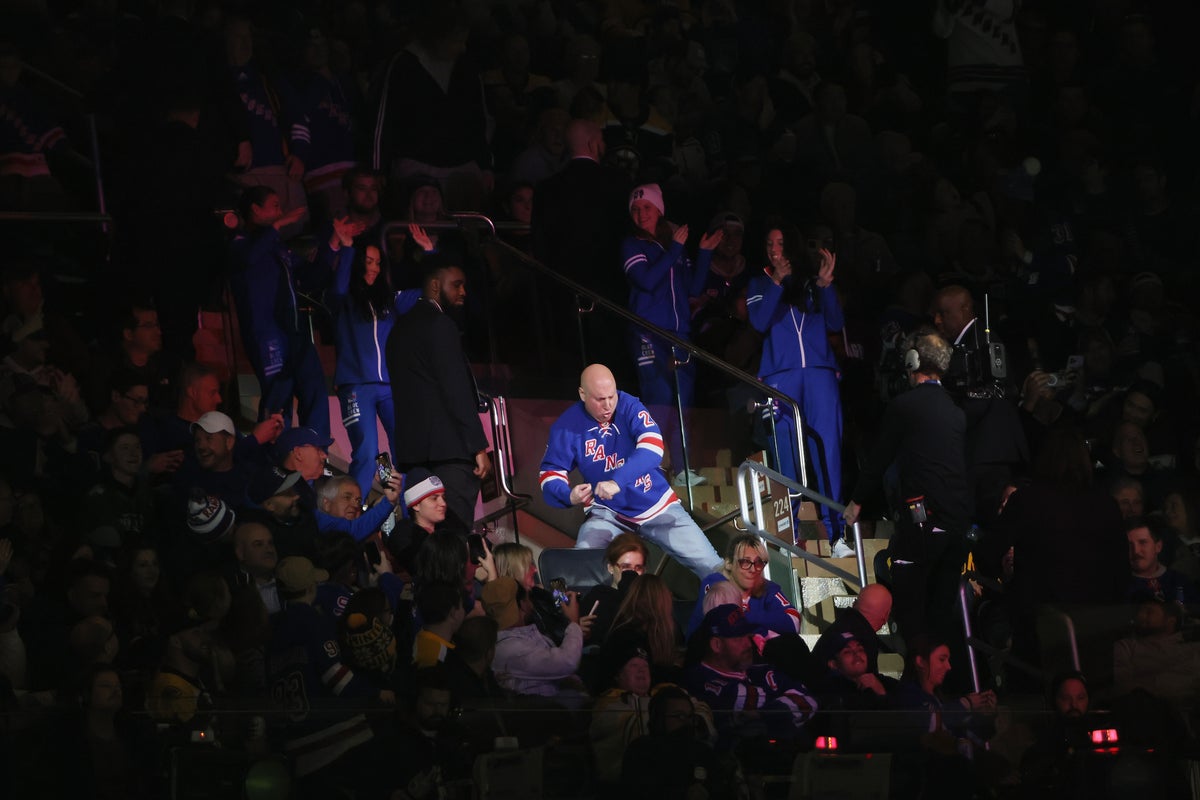
Professional sports franchises are currently obsessed with "curating" your joy. They don't want organic cheers; they want synchronized, brand-safe enthusiasm that can be sold to a telecom sponsor. For thirty years, the New York Rangers leaned on Larry Henry—known to the Madison Square Garden faithful as Dancing Larry—to be the human spark plug for a stagnant crowd during the third period.
Now, a lawsuit alleges that Henry’s "mainstay" status wasn't just a quirky tradition, but a shield for inappropriate behavior toward arena staff. While the tabloid headlines focus on the sordid details of the allegations, they are missing the systemic rot. The real story isn't just about one man’s alleged misconduct; it’s about the reckless negligence of billion-dollar organizations that outsource their atmosphere to "superfans" who are granted unchecked access without any of the professional accountability.
If you grant a civilian the status of a mascot, you inherit the liability of a monster.
The Myth of the Sacred Superfan
Sports media loves the "Superfan" trope. It’s cheap content. You’ve seen them in every arena: the guy who paints his torso in sub-zero temperatures, the woman with the neon wig, the dancer in Section 402. These individuals are treated as folk heroes, but in the eyes of the front office, they are unpaid contractors.
The Rangers allowed Dancing Larry to become an institution. He wasn't just a guy with a ticket; he was a component of the MSG experience. When you elevate a fan to this level, you create a power dynamic. The lawsuit claims Henry used this perceived influence to harass staff, allegedly believing his "celebrity" status made him untouchable.
Here is the nuance the "lazy consensus" ignores: Fandom is not a credential. Being loyal to a jersey for three decades does not grant you the right to bypass the basic codes of conduct that every other employee in the building must follow. The Rangers—and by extension, Madison Square Garden Entertainment—created a monster by blurring the lines between "customer" and "cast member." They wanted the benefit of his energy without the burden of HR oversight.
Why the MSG Liability Shield Failed
In any other corporate environment, if a consultant or a high-profile guest repeatedly harassed entry-level staff, they would be escorted out via the loading dock within the hour. But in the world of professional sports, "tradition" acts as a form of legal and moral anesthesia.
The allegations in the lawsuit suggest a pattern. If these claims are proven true, it means the organization prioritized a 60-second dance routine over the safety of the people actually drawing a paycheck. This is the Accountability Gap.
- The Fan's Perspective: "He's just a legend having fun."
- The Staff's Perspective: "I have to tolerate this because the crowd loves him."
- The Executive's Perspective: "As long as he isn't costing us ticket sales, keep the music playing."
This triad of silence is how toxic cultures ferment. By the time a lawsuit hits the desk, the damage isn't just legal; it’s a total collapse of the brand’s internal integrity. You cannot claim to provide a "world-class" guest and employee experience while simultaneously allowing a rogue element to roam the concourses with a sense of entitlement.
The End of the Organic Era
The "Dancing Larry" era represents a bygone age of sports marketing—the era of the "unvetted eccentric."
Modern sports venues are moving toward a sterile, highly controlled environment. We are seeing the rise of professional hype crews, paid drumlines, and digital prompts that tell you exactly when to "Make Some Noise." Critics mourn the loss of "authentic" fans like Larry, but they ignore the liability these people represent.
Imagine a scenario where a bank or a hospital had a "Superfan" who wandered the halls, shouting and interacting with employees without a background check or a code of conduct. It sounds absurd because it is. Yet, because Larry was wearing a Rangers jersey and moving to the beat of "Strike It Up," the rules were suspended.
The lawsuit is the final nail in the coffin for the "rogue superfan." From now on, every person who is given a platform by a professional team will be scrutinized, vetted, and likely replaced by a 22-year-old theater major with a clear contract and a zero-tolerance policy. It’s less "authentic," sure. But it’s also less likely to end in a deposition.
The Brutal Reality of Arena Power Dynamics
Let’s talk about the staff mentioned in the lawsuit—the security guards, the ushers, the "Blue Crew." These are often low-wage workers who are the backbone of the game-day experience. When a "VIP Fan" like Larry is allowed to operate outside the rules, it sends a clear message to the staff: The mascot is worth more than your dignity.
This is where the Rangers failed most spectacularly. A team's culture isn't defined by the banners in the rafters; it’s defined by who they protect when the lights are off. By allegedly allowing Henry to become "handsy" or "inappropriate" (as the suit claims), the organization signaled that their "mainstay" was a protected asset.
This isn't just a New York problem. From the "Viking Guy" in Minnesota to the various costumed characters across the MLB, teams are sitting on a powder keg of liability. They have outsourced their soul to individuals they cannot control.
Stop Asking if Larry is a "Legend"
The "People Also Ask" sections of the internet are currently buzzing with questions about Larry’s legacy and whether he’ll ever return to the Garden. You are asking the wrong question.
The question isn't "Is Dancing Larry a Rangers legend?"
The question is: "Why did a billion-dollar entity think a 60-year-old man dancing in the aisles was a sustainable business strategy?"
The obsession with "local flavor" has blinded sports executives to the basic principles of risk management. If your "tradition" requires a specific individual to never have a bad day, never overstep a boundary, and never realize they have more power than the staff, your tradition is a ticking time bomb.
The Mic Drop
The Rangers didn't lose a fan; they lost the ability to pretend that their "culture" was anything more than a marketing gimmick. Dancing Larry wasn't the heart of the Rangers. He was a symptom of an organization that forgot that the most important people in the building aren't the ones in the spotlight—they’re the ones making sure the spotlight stays on.
If you want to save your franchise, fire the "Superfans" before they get you sued. Fandom should be a passion, not a profession without a contract.
Get rid of the mascots. Get rid of the "legends." Just play the game.