The amber liquid sits in a chilled centrifuge, spinning at four thousand revolutions per minute. To the casual observer, it is just yellow water, a biological byproduct processed by industrial machinery. To someone with an immune deficiency, someone whose body cannot manufacture its own defense shields, that exact vial is the difference between drawing a clean breath and drowning in their own lungs.
Blood plasma looks ordinary until you realize what it carries. Meanwhile, you can explore related events here: The Anatomy of Supply Chain Vectors: Deconstructing the Record Cyclospora Outbreak.
Then came the silence.
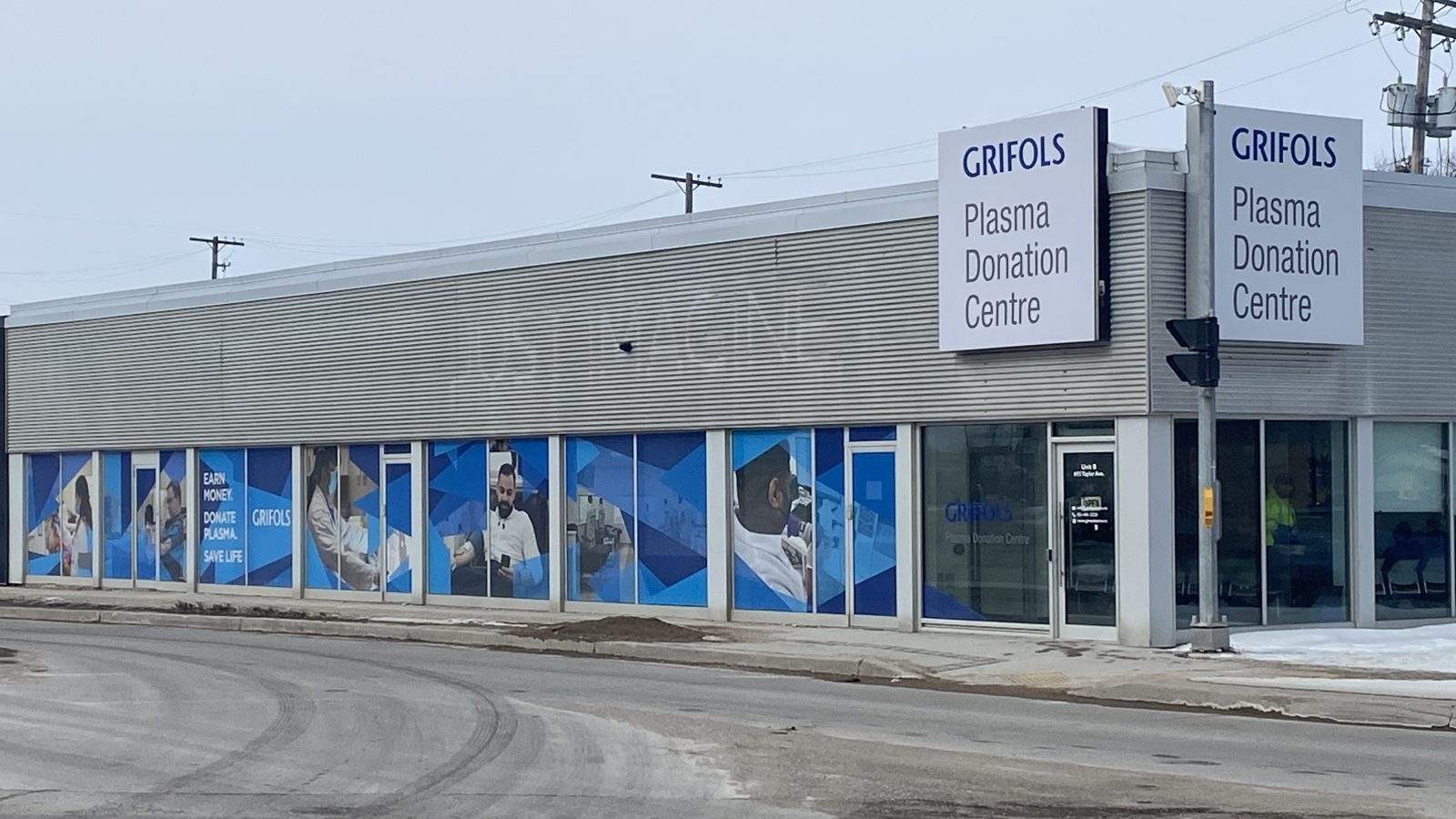
Across Canada, a private collection clinic quietly pulled the plug. No fanfare. No heated parliamentary debate broadcast on the evening news. Just a sudden, grinding halt to operations. Doors locked. Centrifuges powered down. Thousands of scheduled appointments wiped from calendars in a single keystroke. To explore the bigger picture, check out the excellent analysis by World Health Organization.
Let us be entirely honest about what this means. It is terrifying.
For months, patients and advocacy groups watched the warning signs flash red. They knew the vulnerability of relying on commercial channels to fuel a public healthcare ecosystem. They knew that when a private entity hits a wall—whether due to regulatory friction, economic shifts, or logistical strain—the people at the receiving end of the tubing are the ones who pay the price.
Consider what happens next in the quiet rooms of hospitals.
A nurse checks a chart. She looks at a shelf where imported immunoglobulins are supposed to sit. The shelf is half-empty. She has to make a choice no clinician should ever face: ration the treatment, stretch the dosage, or pray that the patient holds on just a little longer until a shipment clears customs.
Canada has long walked a tightrope regarding plasma. On one side sits the philosophy of altruism, the deep-rooted belief that bodily fluids should be freely given, never bought or sold. On the other side sits the raw, unyielding mathematics of global supply and demand. The country needs far more plasma than voluntary, public-sector donations can supply. To bridge that chasm, the nation has historically leaned heavily on commercial collection models, often importing thousands of liters processed from paid donors abroad, primarily out of the United States.
When a private clinic pauses its operations, it exposes the fragility of that precarious bridge.
Let us walk through a hypothetical scenario to ground this in human reality. Meet David. David is forty-two years old, living just outside of Toronto. He has common variable immunodeficiency. Every three weeks, David receives a subcutaneous infusion of antibodies collected from thousands of healthy donors. Without those infusions, a common cold turns into pneumonia. Pneumonia turns into systemic failure.
When David heard the news that collection was pausing, he did not look at spreadsheets or supply chain logistics. He looked at his hands. He looked at his ten-year-old daughter playing in the backyard.
"How long will our stock last?" he asked his hematologist over the phone.
The doctor did not have a clean answer. The doctor had a shoulder shrug wrapped in clinical jargon.
Uncertainty is a cruel companion. It whispers in the dark when the lights go out. It makes every cough feel like a symptom of the end.
The suspension of collection at this private facility is not an isolated administrative hiccup. It is a symptom of a deeper, systemic vulnerability. Critics of private plasma models have long argued that commercial entities answer first to their balance sheets, making them susceptible to sudden shifts in operational viability. Yet, defenders point out that public systems alone have consistently failed to meet domestic demand, forcing the country into a state of permanent dependency on foreign markets where donors are financially compensated.
Both sides of the argument contain elements of truth, but neither argument keeps David alive tonight.
The cold reality is that Canada collects only a fraction of the plasma it consumes. The rest is imported. When a domestic commercial collection point goes dark, the domestic pipeline shrinks even further, leaving the country at the mercy of global supply chains that are vulnerable to everything from geopolitical tensions to shifting export priorities in other nations.
If you have never sat in a donor chair, let me describe the sensory experience. The sting of the initial antiseptic wipe. The heavy, reassuring squeeze of a rubber stress ball in your palm. The rhythmic hum of the apheresis machine drawing blood, separating the golden plasma, and returning the red blood cells back into your veins with a rush of cool saline. It takes about an hour. It feels remarkably mundane.
Yet, that mundane hour powers the machinery of modern medicine. Plasma is not just for immune deficiencies. It is spun into clotting factors for hemophiliacs. It becomes albumin for trauma patients bleeding out on emergency room tables. It transforms into critical therapies for severe burns and autoimmune disorders.
When a clinic pauses, those hours of quiet donation vanish from the ledger.
The silence from the corporate offices of the halted clinic has been deafening. Statements released to the press spoke vaguely of "operational reviews" and "strategic realignments." Corporate speak. It is the language designed to obscure human impact behind a wall of neutral nouns.
Patients do not speak in corporate speak. They speak in expiration dates.
We must ask ourselves hard questions about self-sufficiency. Why is a country as wealthy and resourceful as Canada continually caught flat-footed when supply lines fracture? Why does the debate remain trapped in ideological warfare between public purity and private enterprise, while patients hang in the balance?
The answer lies in our collective comfort with denial. As long as the bags keep arriving at the hospital loading dock, we assume the system is working. We do not look behind the curtain. We do not trace the journey of a single needle from a donor's arm in a storefront clinic to a freezing facility, to a fractionation plant, to a bedside IV pole.
Now, the curtain has been yanked back.
The machines are dark. The chairs are empty. The staff have packed up their badge IDs and walked out into the parking lot.
Somewhere in a quiet kitchen, a mother is calculating how many weeks of medication she has left in her refrigerator, staring at the little glass vials under the harsh glow of fluorescent light, wondering how long a country can rely on luck before the supply finally runs dry.


