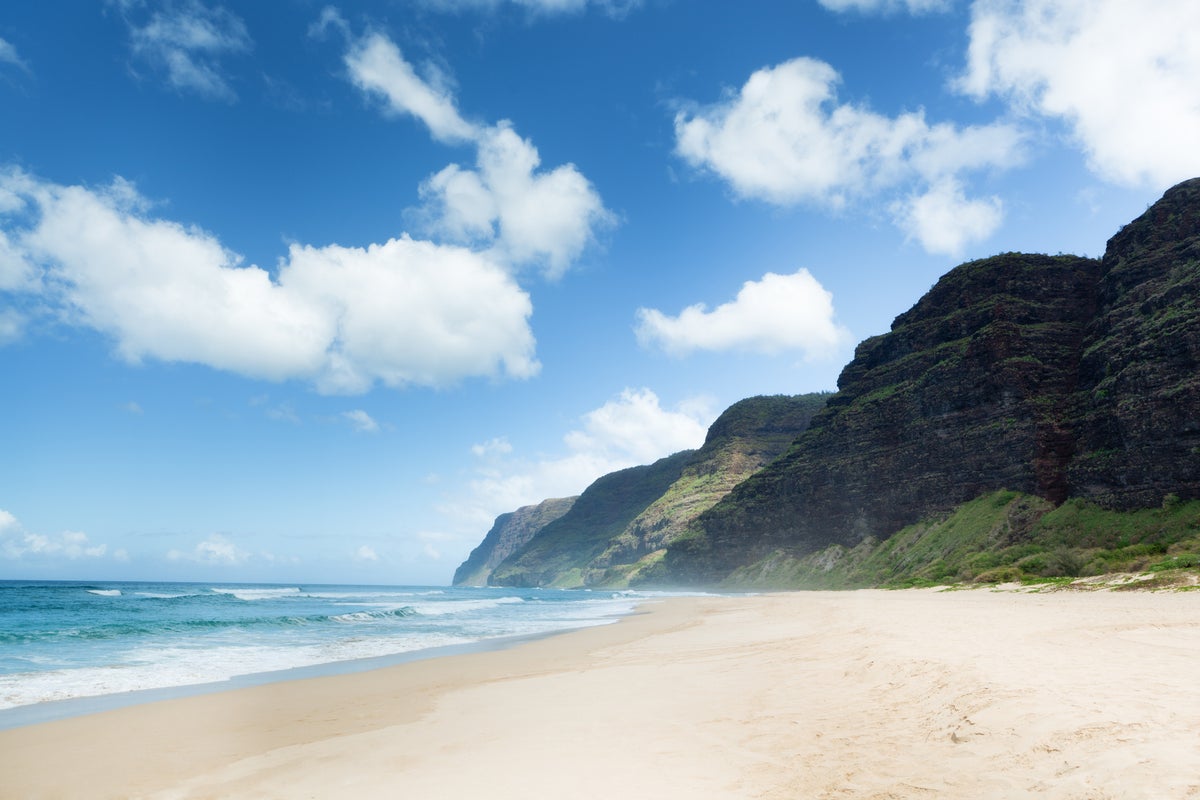
Grand Canyon National Park is deceptively brutal. Every year, millions of tourists stand at the rim, look down at the gorgeous bands of red rock, and assume it's just a casual walk in the park. It isn't. The recent tragedy where a hiker died after being found unconscious on Bright Angel Trail is a stark reminder that this stunning landscape doubles as one of the most dangerous trails in US history.
People think they're prepared because they brought a bottle of water and some sneakers. They're wrong. The canyon flips the script on traditional mountain hiking, and that single geological quirk catches even experienced athletes off guard. When you climb a mountain, the hardest work happens first. You sweat your way to the summit, enjoy the view, and then coast downhill back to your car. The Grand Canyon demands the exact opposite.
You start by walking downhill. It feels easy. Your legs roll smoothly, the gravity does the work, and the air feels crisp at the rim. But every step down is a step into a hotter, more oxygen-deprived environment. By the time you realize you are exhausted, dehydrated, and in deep trouble, you are at the bottom of a massive bowl. The only way out is an grueling uphill trek that breaks people physically and mentally.
What Makes Bright Angel Trail So Deceptively Lethal
Bright Angel Trail isn't dangerous because of steep cliffs or technical rock climbing. You don't need ropes. It is a wide, well-maintained dirt path. The danger comes from pure ambient heat and extreme elevation changes.
The National Park Service routinely handles hundreds of medical emergencies on this trail alone. The temperature difference between the rim and the canyon floor can be staggering. On a day when the South Rim feels like a comfortable 80°F, the inner canyon near Phantom Ranch can easily soar past 105°F. The rock walls absorb the desert sun all day and radiate that heat back out like a massive convection oven.
Heat illness hits fast. It starts with cramps and dizziness, quickly escalating to heat exhaustion and the highly fatal heat stroke. When your core body temperature hits 104°F, your brain starts shutting down. That is exactly how hikers end up unconscious on the trail. They simply cook from the inside out because their bodies can no longer sweat fast enough to cool down.
The Myth of Fitness in the Canyon
I see marathon runners and triathletes get rescued by park rangers every single summer. They arrive with optimal cardiovascular health and assume the canyon will be a breeze. They fail because they don't respect the heat index and the specific mechanics of hiking out.
When you hike uphill in extreme heat, your heart has to work double time. It pumps blood to your muscles to keep you moving, but it also has to pump blood to your skin to release heat through sweat. In the Grand Canyon, there isn't enough blood to go around. Your muscles starve for oxygen, your stomach stops digesting food, and your system crashes. Fitness won't save you if you lack heat acclimatization and proper pacing.
The Scientific Breakdown of Hyponatremia
Most people know about dehydration, but the real silent killer on Bright Angel Trail is often hyponatremia. This is a medical condition caused by drinking too much water without replacing lost salts.
Hikers hear the constant warnings to drink water. They get scared of the heat, so they chug liters of pure water while sweating profusely. This dilutes the sodium levels in the bloodstream. Sodium is critical for nerve and muscle function. When it drops too low, your cells start absorbing the excess water and swelling.
Hyponatremia Progression:
Excessive Water Intake -> Sodium Dilution -> Cellular Swelling -> Brain Edema -> Unconsciousness
The symptoms of hyponatremia look remarkably like heat stroke: confusion, lethargy, vomiting, and altered mental states. If a hiker keeps drinking water thinking they are just dehydrated, they can trigger seizures, comas, or death. You must balance every sip of water with electrolytes, salty snacks, or sports drinks.
How to Actually Survive a Inner Canyon Hike
If you are going to tackle Bright Angel Trail, you need a realistic strategy based on search and rescue data, not optimism.
First, look at the clock. Do not hike between 10:00 AM and 4:00 PM during the warmer months. That six-hour window is when the sun beats directly into the canyon, turning the trail into a furnace. If you aren't out by 10:00 AM, you should find a shady spot near a rest house and sit still until the late afternoon.
Second, understand the timing ratio. A good rule of thumb is that for every hour you spend walking down, it will take you two to three hours to hike back up. If you walk down for two hours, you have committed yourself to a brutal four-to-six-hour uphill climb. Plan your turnaround point based on time, not distance.
Essential Gear That Keeps You Alive
Forget the minimalist hiking trend. You need specific items to survive the volatile environment of the inner canyon.
- A minimum of three liters of water capacity, split between a hydration bladder and bottles.
- Electrolyte replacement packets with high sodium content, not just sugary sports drinks.
- High-calorie, salty snacks like pretzels, nuts, and jerky to prevent hyponatremia.
- A wide-brimmed hat and lightweight, long-sleeve sun shirt to keep the sun off your skin.
- A small flashlight or headlamp, because many hikes take hours longer than expected, leaving people stranded in pitch blackness.
The Reality of Search and Rescue Operations
Don't rely on a helicopter to scoop you up the moment you feel tired. Grand Canyon National Park rangers are incredibly skilled, but they aren't your personal taxi service.
An air evacuation depends entirely on weather conditions, helicopter availability, and the severity of the medical emergency. When the air gets too hot, it loses density. This makes it incredibly difficult for helicopters to get enough lift to fly into the canyon safely. If you collapse in the middle of a July afternoon, a helicopter might not be able to land near you at all.
Even if a ground crew comes for you, it can take hours for rangers to reach your location on foot or by mule. You are ultimately responsible for your own safety. Every time a rescue crew has to go out into extreme heat to save an underprepared hiker, those rangers are putting their own lives on the line in the exact same conditions.
To hike Bright Angel Trail successfully, change your mindset completely. Treat the canyon with the same caution you would use when entering an extreme environment like the Arctic or a deep cave system. Pack extra rations, monitor your salt intake constantly, and remember that getting to the bottom is completely optional, but getting back to the top is mandatory.