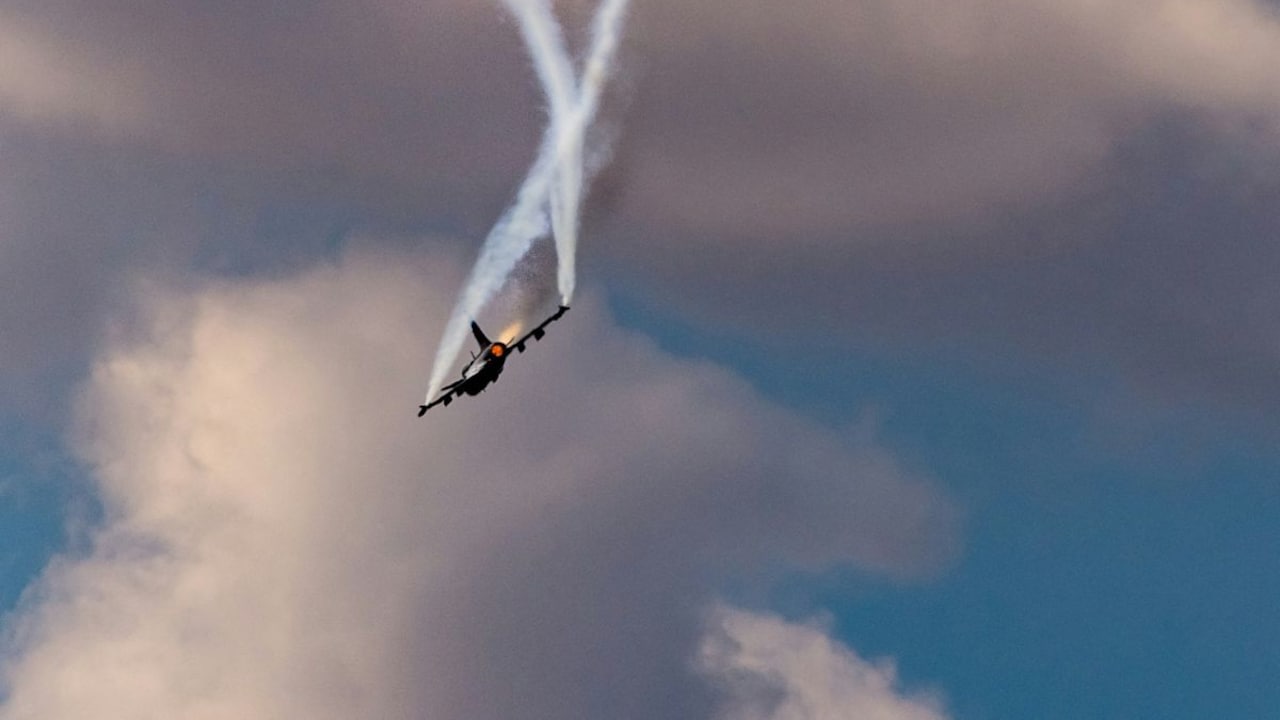
Fourteen lives were extinguished in an instant over the dense, unforgiving terrain of the Democratic Republic of Congo. The wreckage of the aircraft, which carried two senior military officials alongside twelve others, tells a familiar and grim story of operational failure, compromised oversight, and systemic neglect. Official tallies and immediate bureaucratic condolences rarely capture the true scope of what goes wrong when military and commercial aviation collide with the realities of Central African infrastructure. When high-ranking officers and ordinary passengers share the same precarious fate in a fiery crash, the tragedy exposes a rot that runs far deeper than pilot error or mechanical fatigue.
The immediate details of the crash point to a recurring crisis in regional transportation security. Aviation in the Democratic Republic of Congo operates under an invisible weight of historical underinvestment, poorly maintained airframes, and regulatory frameworks that exist more on paper than in the cockpit. While international headlines briefly flash when senior brass or prominent figures perish, the hundreds of lesser-known fatalities that accumulate year after year rarely stir systemic reform. Understanding why these planes keep falling from the sky requires looking past the black boxes and examining the political economy of flight permits, maintenance shortcuts, and the desperate reliance on aging Soviet-era hardware in a region where surface transit is virtually non-existent. Meanwhile, you can read other stories here: Stop Obsessing Over Voter Turnout Because the Alberta Referendum Math is a Distraction.
The Weight of Imperial Residue and Modern Neglect
Geography dictates destiny in Central Africa. A nation the size of Western Europe with barely a thousand kilometers of paved national roads turns its skies into highways of absolute necessity. People, cargo, and military detachments take to the air because the alternative is weeks of hacking through mud, crossing broken bridges, and running the gauntlet of armed roadblocks. This absolute dependence on aviation creates a captive market for operators who stretch safety margins to the breaking point.
Maintenance costs are prohibitive. Spare parts often require circuitous smuggling routes or expensive gray-market acquisitions due to various sanctions, embargoes, and corporate shell games. When an operator must choose between grounding a fleet to overhaul turbine blades or flying another twenty cycles to meet payroll, the calculation is often made in favor of risk. Regulators, frequently underfunded and susceptible to political capture, look the other way. The inclusion of senior military personnel on routine or auxiliary transport flights highlights an additional layer of risk. Military logistics in the region frequently commingle personnel transport with cargo runs, bypassing civilian civil aviation oversight entirely under the banner of national security exemptions. To see the full picture, check out the detailed article by NPR.
Institutional Blind Spots and the Illusion of Oversight
Inspecting the bureaucratic apparatus tasked with keeping Congolese skies safe reveals a structural vacuum. The Congolese civil aviation authority operates with limited radar coverage, outdated meteorological tracking stations, and an inspectorate corps stretched across vast distances with meager resources. When an incident occurs, the investigation is rarely a masterclass in forensic independence. Political interference looms large, shielding military contractors and politically connected aviation magnates from genuine accountability.
Military aviation operates in an even more opaque domain. Procurement decisions are shrouded in state secrecy, meaning aircraft past their operational design life are quietly transferred from foreign surplus stocks into domestic military inventories. These airframes arrive without comprehensive service histories, piloted by crews flying under immense pressure to maintain operational readiness despite chronic resource shortages. The presence of two senior military officials on the ill-fated flight underscores how institutional reliance on these sub-standard vectors of travel exposes the nation's command structure to the exact hazards civilian regulators fail to contain.
The Human Cost Behind the Bullet Points
Statistics strip the tragedy of its texture. Fourteen souls translate to fourteen families navigating a bureaucratic labyrinth to secure basic accountability, let alone compensation. In a landscape where insurance payouts are minimal and state transparency is virtually nonexistent, grief quickly hardens into resignation. The families of civilian victims grieve in obscurity, while the military honors its fallen brass with state funerals that mask the institutional failures that put them on that flight path in the first place.
Reform will not arrive from rhetorical declarations or short-term international safety workshops. True change demands an uncompromising overhaul of regulatory independence, mandatory retirement ages for aging airframes, and absolute transparency in military procurement. Until the state treats every passenger—from a rural merchant to a general—with an equal standard of operational safety, the skies over Central Africa will remain a graveyard of unlearned lessons.


