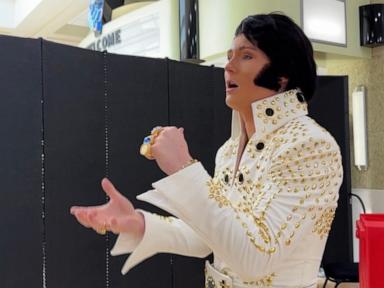
The annual pilgrimage to Tupelo and Memphis has become a parody of reverence. Every year, a new crop of Elvis Tribute Artists (ETAs) straps on the high-collared jumpsuits, glues on the sideburns, and competes for a crown that gets heavier and less relevant with each passing generation. The media loves the lazy narrative: “Look at these passionate young men keeping the flame alive!” They paint a picture of a vibrant, evolving subculture preserving an American legacy.
It is a lie. Recently making headlines in this space: Stop Censoring Reality The Dangerous Polite Myth of the BAFTA Tourette Row.
The modern Elvis tribute circuit is not preserving a legacy; it is taxidermying it. By turning a raw, dangerous cultural disrupter into a highly regulated, checklist-driven corporate competition, the industry is systematically draining the soul out of the very artist it claims to honor.
We are forcing the next generation of performers to become high-fidelity karaoke machines. And it is killing the magic. Further details on this are detailed by IGN.
The Trap of the Ultimate Elvis Checklist
I have spent years studying the mechanics of performance art and watching the machinery of estate-sanctioned tribute competitions. The transformation is tragic. To win a modern ETA contest, you do not need to be a dangerous, charismatic force of nature. You need to be an accountant who can sing in key.
The evaluation criteria used by major sanctioning bodies have gamified the King. Judges score contestants on specific, rigid categories:
- Vocals: Tone, pitch, and lyric accuracy.
- Appearance: The exact fit of the jumpsuit, the authenticity of the jewelry, the hair.
- Stage Presence: Replicating specific, documented movements from historical concert footage.
Think about the profound irony of this setup. The real Elvis Presley became a global phenomenon precisely because he broke the rules. He was unpredictable. He was a volatile mix of gospel, rhythm and blues, and country that shocked a conservative 1950s America. He did not follow a rubric.
When a young performer steps onto a stage today and meticulously mimics the exact hand gesture Elvis made during the 1973 Aloha from Hawaii broadcast, they are not channeling Elvis. They are channeling an archive. It is a wax museum with a soundtrack.
The Myth of the New Generation
The industry constantly boasts about the "young blood" entering the competition circuit. Look at the headlines every August: twenty-somethings are taking over the stage. The consensus is that this youth movement guarantees the longevity of the fandom.
That is a fundamental misunderstanding of demographics and cultural capital.
A 22-year-old performing in Tupelo today is not pulling in a 22-year-old audience. Step into the crowd at any major ETA competition. The front rows are not filled with Gen Z music fans discovering the raw energy of rockabilly. They are filled with aging superfans who are chasing a nostalgic hit of their own youth.
The young performers are catering to an old audience's memories, not creating new cultural moments. This is a crucial distinction:
| Performance Type | Primary Driver | Audience Demographics | Cultural Impact |
|---|---|---|---|
| Traditional ETA | Strict Replication | Over 60, Nostalgia-driven | Static Preservation |
| Authentic Interpretation | Artistic Re-invention | Multi-generational | Living Legacy |
By forcing young artists into a hyper-specific mold to please an aging demographic, the industry cuts off any chance of Elvis's music organically intersecting with modern youth culture. It transforms a living catalog of music into a historical reenactment, no different than a Civil War battle or a Renaissance faire.
Stop Trying to Copy the Icon (Deconstruct the Influence Instead)
The fix is uncomfortable for traditionalists. It requires dismantling the entire apparatus of the jumpsuit competition.
If a performer genuinely wants to honor Elvis Presley, they need to stop buying three-thousand-dollar replicas of the "孔雀" (Peacock) suit. They need to stop practicing the lip curl in the mirror. They need to burn the checklist.
Instead, they must look at what Elvis looked at.
Elvis did not study Elvis. He studied Arthur Crudup. He listened to Sister Rosetta Tharpe. He went to the gospel tents and the blues clubs on Beale Street. He absorbed the raw, unpolished energy of his environment and refracted it through his own unique lens.
The Contrarian Mandate for Performers:
If you want to capture the spirit of 1954 Memphis, you cannot do it by copying 1973 Vegas. You have to find the danger. You have to be willing to make the audience uncomfortable, just like the original did.
Imagine a scenario where a young artist takes the catalog of Sun Records and strips it down to its bare, aggressive essentials—mixing it with modern garage rock or neo-soul sensibilities. No costume. No wig. Just the relentless, driving rhythm and the unhinged vocal delivery.
The purists would scream. The estate judges would award them zero points. But the room would catch fire. That is how you honor a revolutionary: by being revolutionary.
The Economic Reality of the Mimicry Bubble
There is a financial downside to this obsession with exact duplication that nobody in the industry wants to talk about. The market for high-end impersonation is a shrinking bubble.
The cost of entry for a competitive ETA is astronomical. Custom-tailored suits, professional hair styling, backing tracks, travel to sanctioned qualifiers—performers sink tens of thousands of dollars into this pursuit. The return on investment? A shot at a modest cash prize and a temporary spike in bookings at regional casinos and retirement communities.
By tying their financial and artistic viability to an exact likeness, these artists limit their own career longevity. They become commodities. If you are known solely as "The Best 1970s Elvis in the Midwest," your career ends the moment your voice changes, your hair thins, or the local casino decides to book a Beatles tribute instead.
Artists who lean into interpretation rather than impersonation build sustainable, independent brands. They can pivot. They can release original music. They are viewed as creators, not copycats.
Dismantling the PAA Fallacies
The public discourse surrounding this subculture is riddled with flawed assumptions. Let's dismantle the two biggest premises that hold this industry back.
"Don't tribute artists keep the original music alive for new audiences?"
No. They keep the image alive, often at the expense of the music. When the general public thinks of Elvis today, they rarely think of the groundbreaking vocalist who tracked "Mystery Train." They think of a caricature: the sunglasses, the cape, the "Thank you very much." The tribute industry has amplified the parody so loudly that it has obscured the actual artistic genius of the man. The music doesn't need a surrogate to survive; it needs people to stop treating it like a novelty act.
"Isn't strict accuracy the ultimate sign of respect?"
It is actually the ultimate sign of creative laziness. It is incredibly difficult to reinvent a classic song and make it relevant to a modern audience; it is comparatively easy to study a video tape and memorize where to step on beat four. Strict accuracy is safe. It protects the performer from vulnerability. True respect requires taking an artistic risk with the material, the same way Elvis took a risk when he walked into Sam Phillips' studio and changed the trajectory of popular music.
The path forward requires a brutal choice. The industry can continue down its current track, refining the grading rubrics until the competitions are won by literal robots executing flawless algorithms of a 1970 concert. The crowds will get smaller, the jumpsuits will get more expensive, and the legacy will quietly suffocate in a cloud of hairspray and nostalgia.
Or, the performers can rebel. They can reject the sanctioned contests, drop the faux southern accents, and treat the material like living, breathing art.
Stop trying to be Elvis. He already did that job perfectly. Go find your own noise.