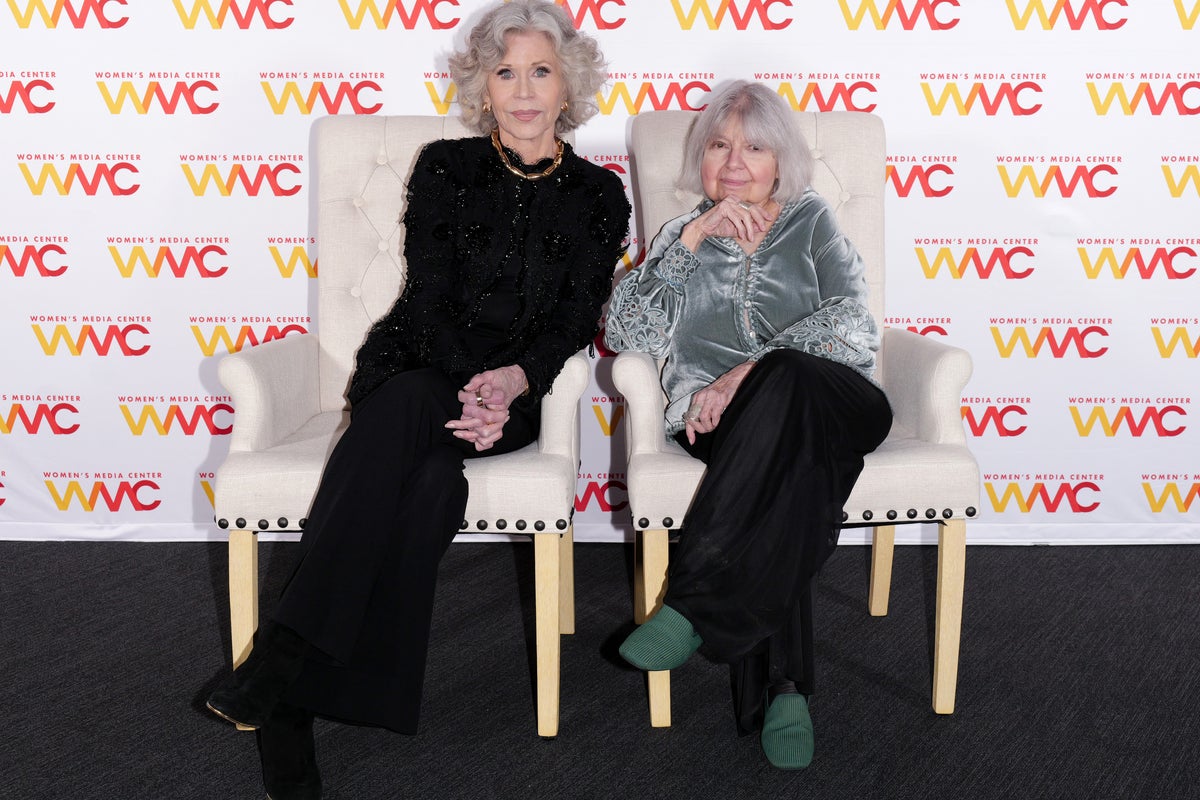
Obituaries for Robin Morgan want you to remember a comforting fairy tale: that a group of elite, media-savvy Manhattan intellectuals marched down Fifth Avenue, smashed the patriarchy with a collection of anthologies, and liberated modern womanhood. The lazy consensus surrounding her passing at 85 reduces her life to a cozy nostalgia trip about bra-burnings that never quite happened the way reporters typed them out, and friendships with Gloria Steinem and Jane Fonda. It is safe, sanitized history designed to comfort people who prefer their revolutions framed in slick magazine layouts.
The real story of Robin Morgan is far more disruptive, deeply contradictory, and deeply instructive about why the political coalitions of the twentieth century are shattering right before our eyes. Morgan did not just fight the conservative establishment; she waged an ongoing war against the male-dominated New Left, writing essays like "Goodbye to All That" that torched the anti-war movement's hypocritical radicals who demanded free love for themselves while treating female comrades as stenographers and coffee makers. She understood that systemic power does not just live in corporate boardrooms; it lives in the radical counter-culture that fancies itself enlightened while reproducing the exact same hierarchies it claims to oppose.
Yet, eulogizing Morgan as a saint of intersectional perfection requires a massive historical edit. The brand of second-wave feminism she championed was notoriously exclusionary, blinded by white, middle-class Western assumptions that alienated queer women, working-class laborers, and minority activists who pointed out that liberation for a Manhattan editor did not look like liberation for a textile worker. Morgan famously inhabited deep contradictions—marrying a gay man in an era of rigid social boxes while simultaneously enforcing ideological purity tests through her anthologies like Sisterhood Is Powerful.
Imagine a scenario where the mainstream media stopped sanitizing the fractures of the 1970s liberation movements and actually examined why those movements failed to build sustainable economic solidarity across class lines.
The standard biographical profile treats Morgan's tenure at Ms. magazine and her co-founding of the Women's Media Center as unmitigated triumphs of institutional capture. But institutional capture is precisely where radical movements go to die. When you trade the picket line for a corner office at a glossy feminist publication funded by high-society donors, you stop speaking truth to power and start managing a brand. Morgan spent decades fighting to put women into the existing media machine, assuming that representation equals emancipation.
History proved her wrong. We now live in an era where female executives, politicians, and media moguls routinely uphold destructive systems of mass incarceration, imperial foreign policy, and corporate exploitation just as efficiently as their male predecessors ever did. Diversity within a broken apparatus does not fix the apparatus; it merely grants the apparatus better public relations. Morgan’s generation won the right for women to sit at the table, but they forgot to ask whether the table itself was built on quicksand.
Her poetry, too, is routinely misunderstood by modern cheerleaders. Pieces like "Monster" were raw, jagged, and profoundly uncomfortable—they rejected the polite assimilation that corporate boardrooms later demanded of women. Morgan possessed a visceral fury that cannot be neatly recycled into a LinkedIn inspirational quote or a corporate diversity seminar. She despised tokenism, yet her institutional successors spent decades turning feminism into a lifestyle accessory sold via merchandise and identity marketing.
The uncomfortable truth about giants like Morgan is that their greatest victories exposed their own strategic limitations. By focusing heavily on cultural representation, language ("herstory"), and media visibility, second-wave architects left the working class behind, paving the way for a neoliberal brand of empowerment that benefits the top ten percent while abandoning the rest.
Stop mourning the myth of a unified sisterhood that never truly existed. Instead, look closely at the wreckage left behind when radical critique gets institutionalized into polite brunch-circuit commentary. Morgan spent her final years warning that the backlash against equality was swift and brutal, yet her camp never realized that their own insular strategies had already locked out the majority of the women they claimed to represent. The best way to honor her legacy is to stop romanticizing the past and pick apart the structural failures she refused to name.