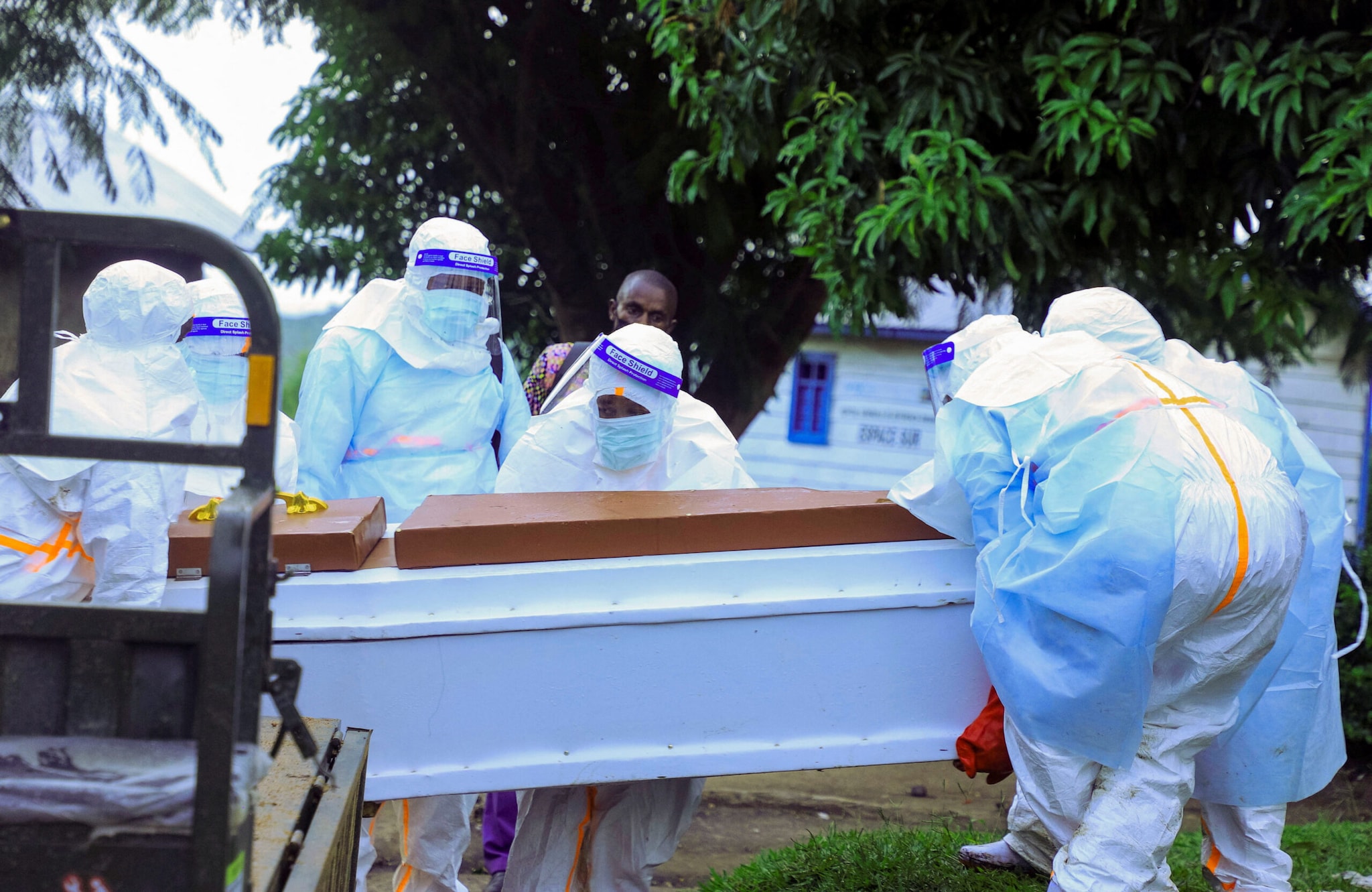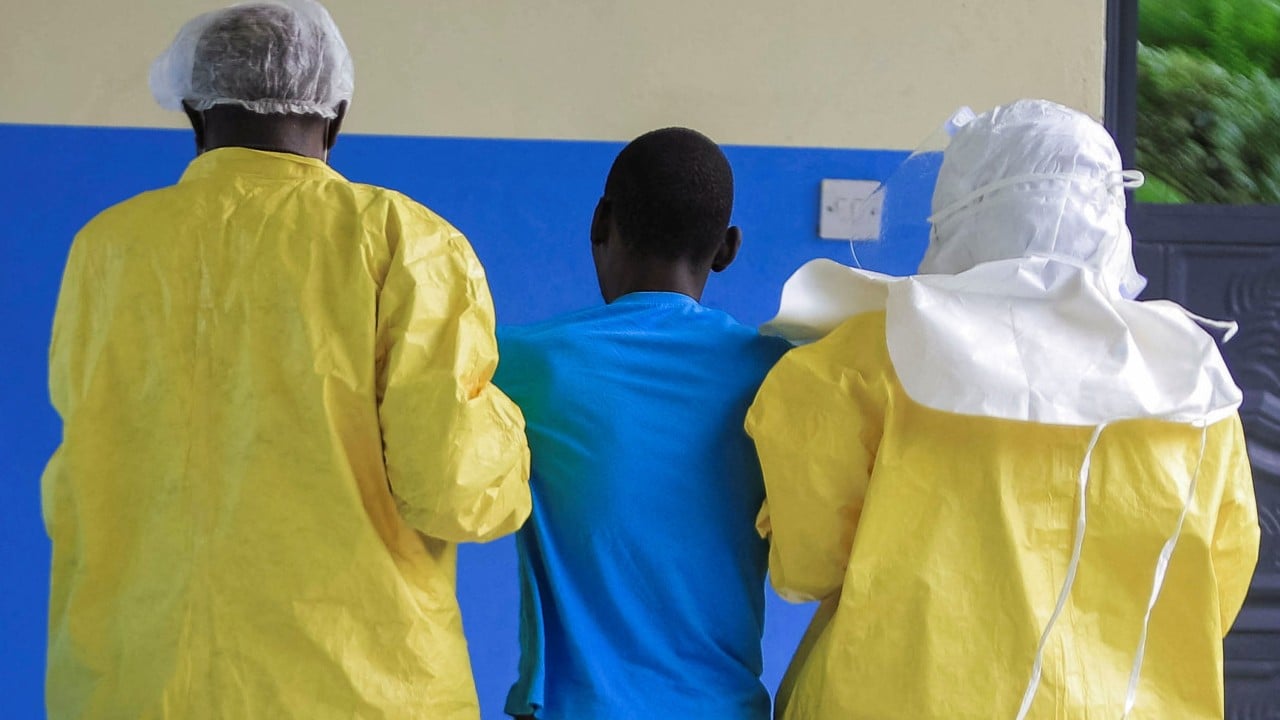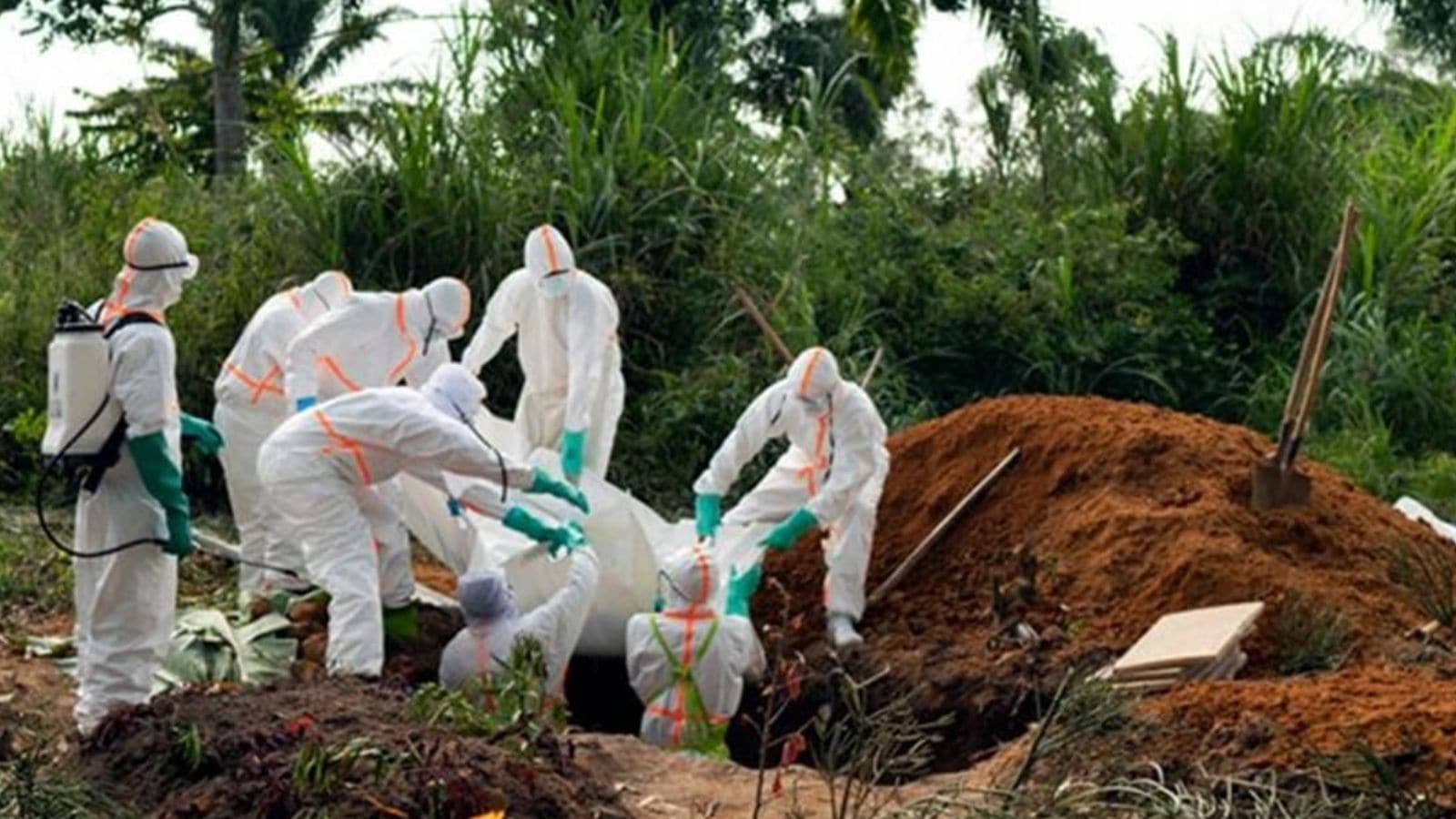
The Democratic Republic of Congo is facing another health catastrophe, and the international community is looking the other way. Right now, more than 750 suspected Ebola cases have emerged in the eastern region. The raw numbers are terrifying on their own. But the real horror lies on the ground, where frontline medical staff are running out of the single most critical tool needed to contain an outbreak: isolation beds.
When a highly contagious hemorrhagic fever hits a vulnerable population, isolation is everything. You separate the sick from the healthy immediately. If you can't do that, the virus wins.
Right now, the virus is winning. Local health workers report that medical centers are completely overwhelmed, forcing suspected patients back into the community or into crowded, unsafe general wards. This isn't just a localized medical shortage. It's a failure of global health security that puts millions at risk.
Why the Current DRC Outbreak Is Overwhelming Local Clinics
The sheer volume of patients has shattered the local healthcare infrastructure. Eastern DRC is already a complex environment, battered by years of conflict and displacement. When you drop more than 750 suspected Ebola cases into this fragile mix, the system breaks.
Local health workers are shouting into the void. They lack basic personal protective equipment, clean water, and space. An isolation bed isn't just a piece of furniture. It is a highly specialized environment with strict containment protocols, dedicated waste management, and barrier nursing controls.
When a clinic runs out of these beds, doctors face an impossible choice. They can turn away bleeding, highly infectious patients, sending them back home to infect their families. Or they can admit them into general wards, turning the hospital itself into a super-spreader site. Both choices lead to more death.
The Deadly Math of Failing to Isolate Ebola Cases
Ebola spreads through direct contact with bodily fluids. A single unisolated patient can easily infect dozens of family members, neighbors, and traditional healers. In past outbreaks, organizations like the World Health Organization and Médecins Sans Frontières established that rapid isolation reduces transmission rates exponentially.
Look at how the transmission chain explodes without immediate intervention.
The virus has an incubation period of 2 to 21 days. During this time, a person isn't contagious. But the moment symptoms like fever, intense weakness, muscle pain, and vomiting start, the clock ticks fast. If that person stays in a crowded household, their caretakers will almost certainly contract the virus.
By the time severe hemorrhaging begins, the viral load is astronomical. Lacking isolation beds means that hundreds of people are currently experiencing these severe symptoms without proper containment. The math is simple, brutal, and terrifying. More unisolated cases mean more transmission, which leads to exponential growth that no medical team can track.
Missteps in Fast-Tracking International Emergency Aid
We have seen this movie before. The 2018–2020 outbreak in eastern DRC killed over 2,200 people. You would think the global community learned its lesson. Apparently not.
Bureaucratic delays are strangling the response effort. Funding sits trapped in international committees while field doctors reuse basic supplies. Western nations tend to ignore these crises until a case boards an international flight. By then, it's too late for containment.
International aid agencies must stop treating this like a routine logistical challenge. Shipping tents and beds takes weeks through traditional channels due to the abysmal road conditions in eastern DRC. Militia activity further complicates the logistics, making supply convoys prime targets. The response requires immediate, militarized logistics for humanitarian goods, bypassing standard bureaucratic red tape to drop isolation units directly into affected zones.
The Human Cost Behind the Statistics
Numbers dull the senses. It's easy to read "750 cases" and turn the page. But think about what this looks like on the dirt floor of a clinic in North Kivu or Ituri.
Imagine a mother carrying her feverish teenager to a clinic after walking for miles through a conflict zone. She arrives only to be told there's no room. There's no bed. There's no isolation. She is handed a pair of latex gloves, if she's lucky, and told to take her child home to die.
This reality creates massive distrust. When communities see that hospitals can't offer treatment or even a safe bed, they stop coming. They hide their sick. They bury their dead in secret, bypassing safe burial protocols. This drives the outbreak underground, making it completely impossible for epidemiologists to map the virus's movement.
Immediate Steps to Stabilize the Crisis
We cannot wait for a massive, multi-month international deployment. Action needs to happen within hours, not weeks, to prevent this from turning into a continental disaster.
First, regional authorities must repurpose existing local structures immediately. School buildings, empty warehouses, and church halls must convert into temporary isolation wards using makeshift plastic sheeting barriers. It's not ideal, but a plastic wall is better than a crowded family living room.
Second, international donors must release direct cash transfers to trusted non-governmental organizations already working on the ground in the DRC. Organizations like MSF need immediate funding to purchase local materials and hire local labor to build triage centers, rather than waiting for international supply chains to deliver prefab units.
Finally, neighboring countries like Uganda and Rwanda must tighten border health screenings without completely shutting down trade, which would trigger a secondary economic and starvation crisis. They need to supply mobile testing labs to border checkpoints to identify and isolate cases before they cross international lines.
The situation in the DRC is a stark reminder that global health is only as strong as its weakest link. Leaving health workers to fight Ebola without basic isolation beds is a recipe for a global catastrophe.