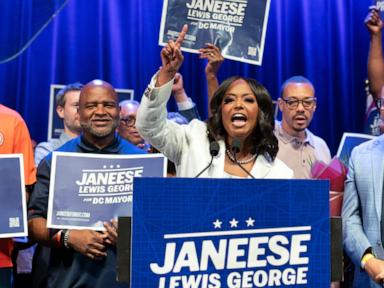
National pundits keep waiting for the progressive wave to crash, but local voters have other plans. Just days ago, Janeese Lewis George secured a decisive victory in the Washington, D.C. Democratic mayoral primary. In a city where the primary effectively seals the deal, she is on track to become the first democratic socialist mayor of the nation's capital. This isn't an isolated fluke. It follows a massive shift in New York City, where Zohran Mamdani took office as mayor earlier this year after toppling an entrenched political dynasty.
The democratic socialist mayor surge across the country is real, and it is reshaping how America's biggest cities operate.
Many political observers assume this progressive rise is driven entirely by abstract ideology or Twitter activism. They are wrong. This movement is gaining ground because it addresses the brutal reality of urban cost-of-living crises at a time when the federal government feels increasingly hostile to cities. With Donald Trump back in the White House implementing federal job cuts and threatening local autonomy, urban voters are looking for a completely different kind of defense mechanism.
The Power of Sewer Socialism
If you look closely at what these candidates actually campaign on, it looks less like radical manifesto writing and more like practical municipal management. Activists call it sewer socialism. The term comes from old-world Midwestern mayors who realized that regular people care more about working public utilities and clean streets than grand macroeconomic theories.
Take a look at the actual platforms. Lewis George built her entire D.C. campaign around everyday affordability. She ran on universal affordable childcare, freezing gas and electricity rate hikes, strengthening tenant protections, and offering free bus rides for SNAP recipients. These are tangible, immediate policies. When you work two jobs and still can't cover rent, you don't care about ideological purity tests. You care about survival.
In New York City, Mamdani won by running on a strikingly similar playbook. His platform demanded fare-free city buses, universal childcare, and a hard freeze on rent-stabilized apartments. It turns out that daring voters to expect more from their local government works.
The strategy has built a formidable political machine. In D.C., the local Democratic Socialists of America chapter put more than 300 volunteers on the streets to knock on doors. That grassroots army out-hustled the $2 million poured into the race by real estate executives and business groups backing more centrist alternatives. Money still matters in politics, but a highly disciplined ground game matters more.
How Federal Threats Backfire in Urban Spaces
You cannot separate this municipal shift from the broader national environment. The current administration has actively antagonized major urban centers. Before the D.C. primary, Trump openly threatened to strip the city of its self-governance and invoke federal oversight if Lewis George won the election.
It backfired completely.
Instead of scaring voters away, the threat energized them. For many residents, voting for a democratic socialist became the ultimate act of local defiance. It sent a clear message that the city wouldn’t be bullied by federal overreach. Urban voters want local leaders who are willing to punch up at the powerful rather than manage a quiet decline.
We see the same dynamic playing out on the West Coast. In Los Angeles, city council member and socialist Nithya Raman just advanced to a high-stakes mayoral runoff against incumbent Karen Bass. Seattle elected progressive Katie Wilson last autumn. The common thread is a deep frustration with the status quo and a desire for leaders who view local policy as a shield against federal hostility.
Real Friction and Corporate Backlash
This movement isn't expanding without serious resistance. The business community is terrified of what these wins mean for corporate taxation and real estate development. Millions of dollars are moving into independent expenditure committees designed to halt progressives in their tracks.
The governance phase brings its own set of brutal challenges. Look at Chicago. Mayor Brandon Johnson won with strong leftist backing but has faced immense pressure from both centrist Democrats and conservative critics over municipal budgets, public safety, and immigration management. Winning an election on an inspiring platform is one thing; balancing a multi-billion-dollar city budget while under constant scrutiny is a different beast entirely.
There is also an ongoing internal debate within the left. Mamdani recently faced pushback from some of his own DSA base for choosing to endorse only a select few progressive state legislative candidates instead of the entire local slate. Navigating the messy realities of establishment governance while maintaining activist credentials requires a delicate balance that few politicians manage to maintain forever.
If you want to understand where local politics is heading, stop watching national cable news. Watch the local school boards, the city councils, and the mayoral primaries. The next step for anyone trying to track this shift is to watch the upcoming Los Angeles runoff this November. If Raman wins, democratic socialists or aligned progressives will govern the three largest cities in the country alongside the nation's capital. The era of comfortable, centrist urban management is officially over.