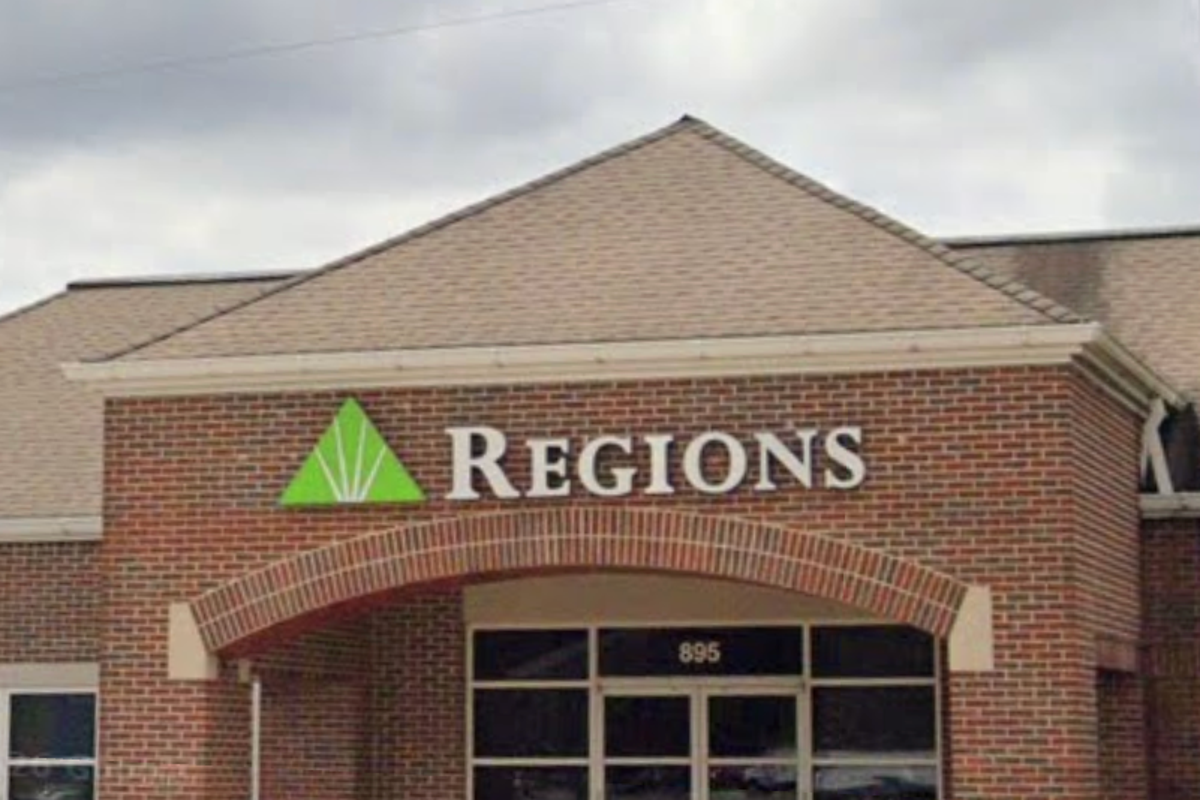
In the quiet streets of Tuscumbia, Alabama, the typical rhythm of small-town life was shattered not by a professional syndicate, but by a 78-year-old woman. On a Tuesday morning that should have been mundane, she entered a bank, demanded cash, and walked out with a bag of stolen bills. Most criminals head for the interstate or a hideout. She headed for the police. This wasn’t a quest for riches or a thrill-seeking escapade; it was a loud, public cry for help from a demographic the American safety net is currently failing.
When we talk about bank robberies, we usually talk about ballistics, getaway cars, and forensic evidence. We rarely talk about the price of eggs or the crushing weight of a medical debt that cannot be paid on a fixed Social Security check. While the headlines focus on the spectacle of an elderly woman holding up a teller, the investigative reality points toward a systemic rot. This woman didn’t just rob a bank—she weaponized the legal system to secure the basic human needs she couldn't afford on the outside.
The Anatomy of a Voluntary Arrest
The mechanics of the heist were startlingly simple. There were no masks, no high-speed chases, and no shots fired. According to local law enforcement, the suspect presented a note to the teller, received an undisclosed amount of cash, and departed. Minutes later, she was found waiting for officers, ready to hand back every cent she had just taken.
This behavior follows a pattern well-known to those who study the "grey crime" phenomenon. In many cases, the goal of the crime is the arrest itself. For a significant portion of the elderly population living below the poverty line, a jail cell offers three things the modern economy does not: guaranteed meals, climate control, and consistent medical care. When the cost of living outpaces the annual cost-of-living adjustments of federal benefits, the local county jail starts looking like a retirement plan of last resort.
The Myth of the Golden Years
We are conditioned to view the elderly as a protected class, enjoying the fruits of a lifetime of labor. The data suggests otherwise. In Alabama, nearly 16% of the population lives in poverty, and for those over the age of 65, that number is compounded by the rising costs of healthcare and prescription drugs.
When a person reaches the age of 78 and decides that a felony is their best path forward, it isn't a lapse in judgment. It is a calculated, desperate move. Investigative lookbacks at similar cases across the country reveal that these individuals often have no prior criminal record. They are lifelong citizens who find themselves at a dead end. They choose the stigma of a mugshot over the slow death of starvation in a lonely apartment.
Why Alabama is the Flashpoint
Alabama provides a unique backdrop for this crisis. The state has some of the most restrictive social programs in the country. It is one of the few states that has not expanded Medicaid, leaving a massive gap for those who don't quite qualify for full federal assistance but can't afford private supplemental insurance.
When you combine a lack of state-level support with a high inflation rate for essential goods, you create a pressure cooker. The Tuscumbia incident isn't an isolated quirk of "Alabama Man" (or woman) news; it is a predictable outcome of a state infrastructure that ignores its most vulnerable residents until they force an intervention through the criminal justice system.
The Hidden Cost to the Taxpayer
There is a grim irony in the way society handles these cases. We refuse to fund robust meal programs or subsidized housing for the elderly because of "fiscal responsibility." However, the moment that same elderly person robs a bank, the taxpayer is suddenly on the hook for a much larger bill.
- Incarceration Costs: It costs significantly more to house, feed, and provide medical care for an inmate than it does to provide the same services through community programs.
- Legal Fees: The cost of the public defender, the prosecution, and the court's time often exceeds the value of the stolen funds tenfold.
- Medical Liability: Once in custody, the state becomes legally responsible for the suspect's health. For a 78-year-old, this often means the state is now paying for chronic care that was previously ignored.
We are essentially paying a premium to punish people for being poor, rather than investing in the prevention of that poverty.
Security Failures and the Human Element
From an industry perspective, this robbery also exposes a flaw in modern banking security. Financial institutions have spent billions on digital encryption and cybersecurity, yet they remain remarkably vulnerable to the low-tech "note-passer." Tellers are trained to comply. The objective is to get the person out of the building as quickly as possible to avoid a hostage situation or a shootout.
In this instance, the "competitor" in the room wasn't another bank or a digital thief; it was the sheer audacity of a person who didn't care if they were caught. High-end security systems are designed to deter people who fear prison. They are completely ineffective against someone who views prison as a refuge.
The Social Security Gap
The average Social Security check in 2026 barely covers rent in most American cities, let alone the specialized care required for the aging body. While the government touts low unemployment numbers, those numbers don't account for the "unemployable" elderly who have been pushed out of the workforce but haven't reached the end of their financial needs.
If a woman can't afford her heart medication and her rent in the same month, she has three options: go without, beg, or take. When the first two fail, the third becomes the only logical path for survival. The Tuscumbia robbery was a performance of necessity. By immediately surrendering the money, the suspect ensured she couldn't be accused of greed. She wanted the consequence, not the cash.
The Legal Quagmire of Compassion
Prosecutors now face a dilemma that highlights the absurdity of our current legal framework. If they prosecute to the full extent of the law, they are essentially giving the suspect exactly what she wanted: a bed and a meal at the public's expense. If they show leniency and release her, they are sending her back into the exact same conditions that prompted the crime in the first place.
This is the "revolving door" of the geriatric ward in our prison system. We are seeing an uptick in "crimes of survival" among the 70+ demographic. It is a quiet epidemic that doesn't get the same airtime as the opioid crisis or tech layoffs, but it is just as lethal. It is a slow-motion disaster that ends in a bank lobby with a shaky hand holding a demand note.
Breaking the Cycle of Desperation
To fix this, we have to look past the police reports. A bank robbery is a symptom. The disease is a retirement system that assumes everyone has a 401(k) and a supportive family. When those pillars are missing, the bank becomes the only ATM that doesn't require a PIN—only a desperate enough person to walk through the door.
We need to stop viewing these incidents as "weird news" and start seeing them as economic indicators. When the elderly start robbing banks just to get caught, your economy isn't "robust"—it's broken. We are currently using our police departments as social workers and our jails as nursing homes. It is the most expensive, least efficient, and most inhumane way to manage a society.
The Tuscumbia case will likely move through the courts with little fanfare. The woman will receive a court-appointed attorney. There will be psychological evaluations. There will be debates about her mental state. But the one thing they likely won't discuss in open court is the balance of her bank account on the morning she decided to become a criminal. That is the one piece of evidence that tells the whole story, and it's the one piece of evidence the system is designed to ignore.
The money was returned, but the problem remains. No amount of police work can solve a crisis of the soul caused by an empty refrigerator and a pile of medical bills. If we want to stop 78-year-olds from robbing banks, we have to make the world outside the cell worth living in. Until then, the bank lobby will remain the most effective waiting room for the only social safety net Alabama has left.
Treating this as a criminal justice issue is a convenient lie. It is a failure of the social contract, signed in ink and paid for in the dignity of our elders. Every time a judge bangs a gavel on a case like this, we are all being found guilty of negligence. The woman in Tuscumbia didn't just give the money back to the cops; she gave us a mirror, and we should be terrified of what we see in the reflection.
The next time a headline blips across your screen about an "elderly bandit," don't laugh at the absurdity. Look at your own parents. Look at your own savings. Realize that for millions of Americans, the distance between a quiet retirement and a bank heist is exactly one medical emergency away.