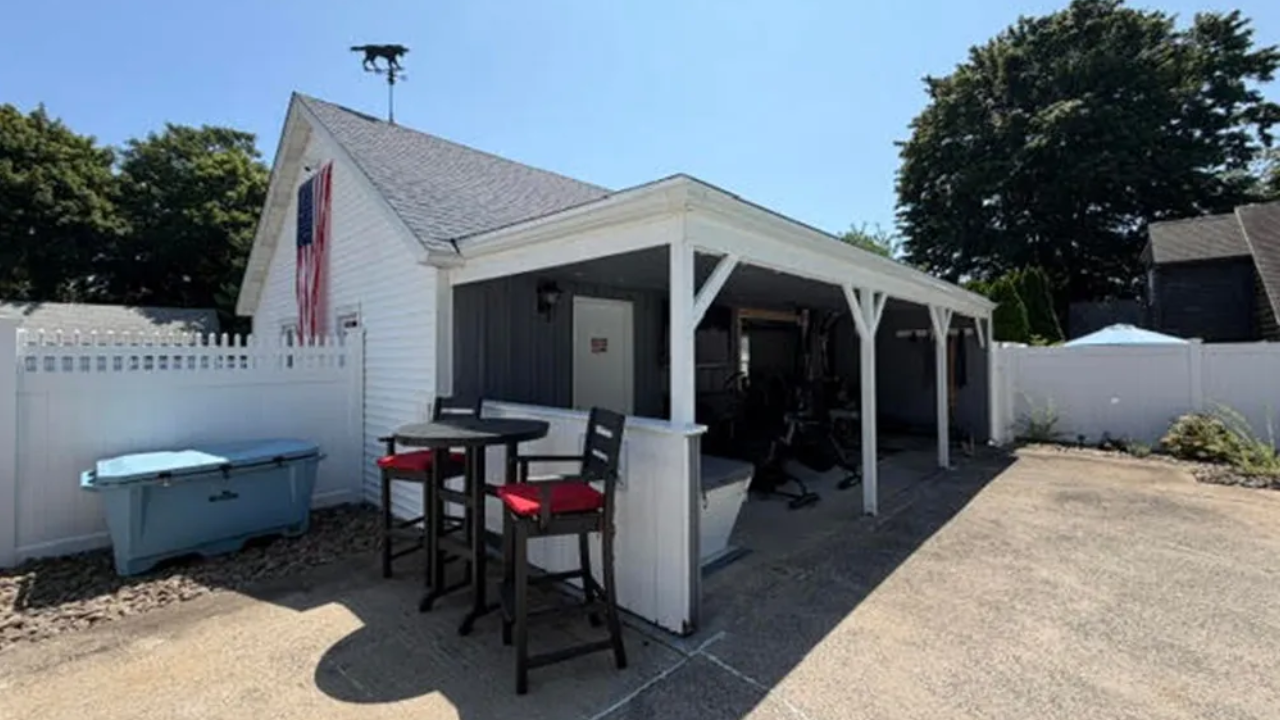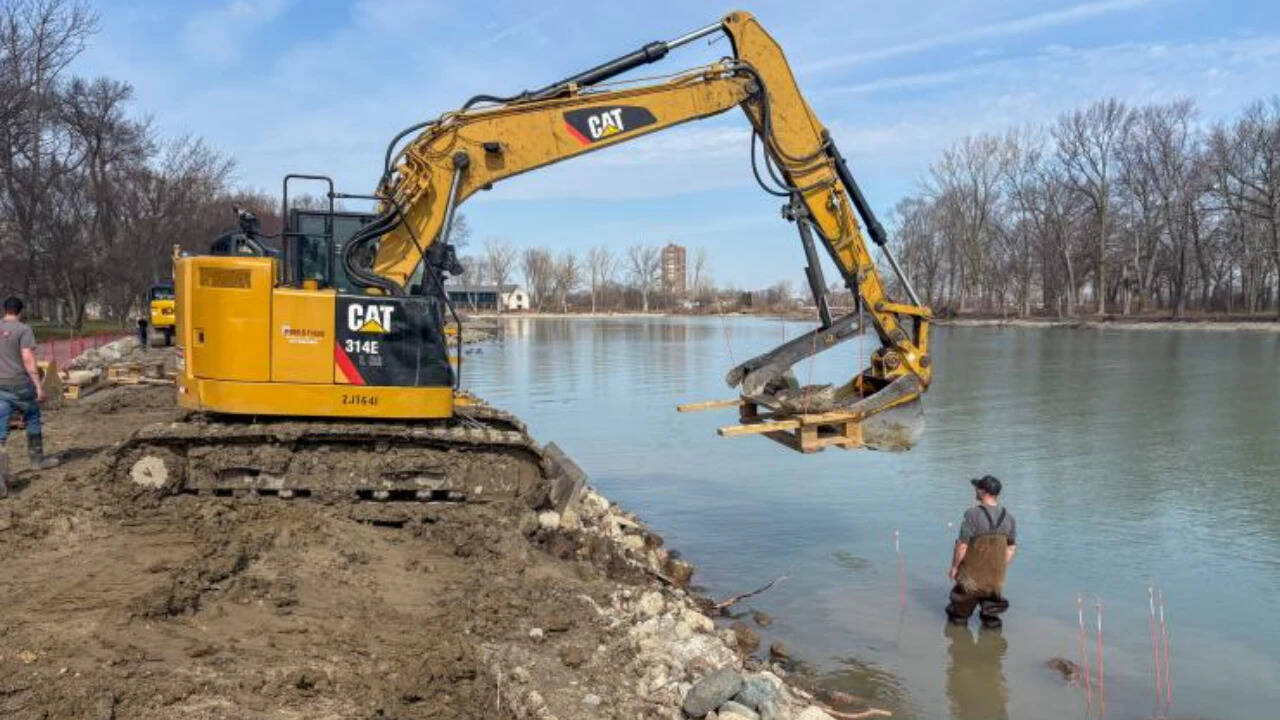
Everyone loves the romantic fantasy of tossing out the concrete and letting nature take the wheel. The recent push at historic sites like the Edsel and Eleanor Ford House to rip out seawalls and replace them with native plants sounds like an environmental fairy tale.
It plays well on social media. It wins architectural design awards.
It is also an ecological and logistical gamble that ignores basic physics.
I have spent decades watching historic preservationists and well-meaning municipal planners burn millions of dollars on knee-jerk ecological restoration projects, only to watch their fancy new living shorelines get entirely scoured away by the next major storm surge.
Stop treating concrete as the villain and nature as a passive, gentle savior. Both are tools. Both have failure modes. And right now, the industry is lying to you about the cost-benefit ratio of stripping hard armor from our water edges.
The Lazy Consensus of Soft Engineering
The standard argument goes like this: concrete seawalls are unnatural, sterile barriers that block wildlife, reflect wave energy, and cause coastal erosion. Therefore, tearing them out and planting native rushes, sedges, and grasses creates a resilient, self-repairing ecosystem that handles water better.
This logic is dangerously incomplete.
Concrete seawalls do reflect wave energy. That part is true. But they also protect high-value infrastructure from immediate, catastrophic undermining. When you replace a rigid bulkhead on a high-energy, wind-swept fetch with a sloping marsh edge, you are trading a predictable, manageable maintenance schedule for a chaotic, high-risk hydrological experiment.
Erosion does not care about your aesthetic preferences. If a property experiences high boat wakes or heavy wind-driven waves, soft shorelines require immense initial stabilization—often involving hidden rock revetments, coir logs, and heavy anchoring systems that cost far more than the concrete they replaced.
The Hidden Failure Rates Nobody Talks About
Let us look at the data. Proponents of living shorelines point to success stories in low-energy environments like quiet creeks or protected bays. That is a sleight of hand. Applying those same methodologies to an open lakefront or a high-current riverbank is an invitation for disaster.
During my time consulting on waterfront stabilization, I have watched clients spend small fortunes on wetland plantings that simply drowned or washed out within eighteen months because the underlying hydraulic force was underestimated.
When a living shoreline fails, it does not just look messy. It releases massive amounts of suspended sediment back into the water column, choking local aquatic life and dragging pollutants right back into the ecosystem the project was supposed to save.
The maintenance burden does not disappear with concrete; it just shifts. Instead of occasionally repointing mortar or tying back a steel sheet pile, you are now weeding invasive species out of fragile native plantings, replacing washed-out root mats, and constantly battling localized scour holes where the water found a weak spot in your organic armor.
The Engineering Reality Check
To understand why blanket replacements fail, we must look at the mechanics of wave dissipation.
Water carries momentum. When that momentum hits a vertical concrete wall, it stops abruptly and redirects upward and downward. That causes scouring at the base of the wall.
When water hits a sloped, vegetated bank, it creeps upward, soaking into the soil and pushing the water table higher behind the shoreline. Without proper subsurface drainage and toe protection, that saturated bank can experience massive rotational slumping.
Rigid Wall:    Water Wave ---> [Concrete Barrier] ---> Reflection & Base Scour
Living Bank:   Water Wave ---> [Sloped Vegetation] ---> Soil Saturation & Slumping
You are swapping one set of engineering problems for another, more expensive set of biological problems.
When Living Shorelines Actually Make Sense
Do not misunderstand me. I am not saying you should pave every foot of the planet in gray Portland cement. Concrete has ruined countless miles of natural aquatic habitats where low-energy conditions could easily support rich riparian buffers.
Living shorelines are brilliant when deployed in the right context:
- Low-energy water bodies with minimal boat traffic.
- Sites with enough horizontal space to build a gradual, multi-tiered slope.
- Areas where water quality improvement and habitat creation outweigh absolute structural defense.
If you have a narrow property line squeezed against a raging river or a storm-battered lake, ripping out your bulkhead to plant daisies isn't environmental stewardship. It is a slow-motion demolition derby for your lawn.
The Unspoken Cost of Historic Purity
At estates like the Ford House, the narrative is often framed as a return to an original pristine past. But history is messy. Many of these historic properties were heavily modified a century ago precisely because the natural water edge was unstable, flooding buildings and eroding carriage paths.
Trying to freeze a landscape in a romanticized ecological state while ignoring the current realities of changing weather patterns and rising boat traffic is pure hubris.
True expertise means looking past the marketing brochures. It means accepting that sometimes, keeping the water where you want it requires structural muscle, not wishful thinking.
Stop letting picturesque design renders dictate multi-million-dollar engineering decisions. Measure the fetch, calculate the shear stress, and pick the material that actually survives the weather, not the one that looks best on an Instagram feed.