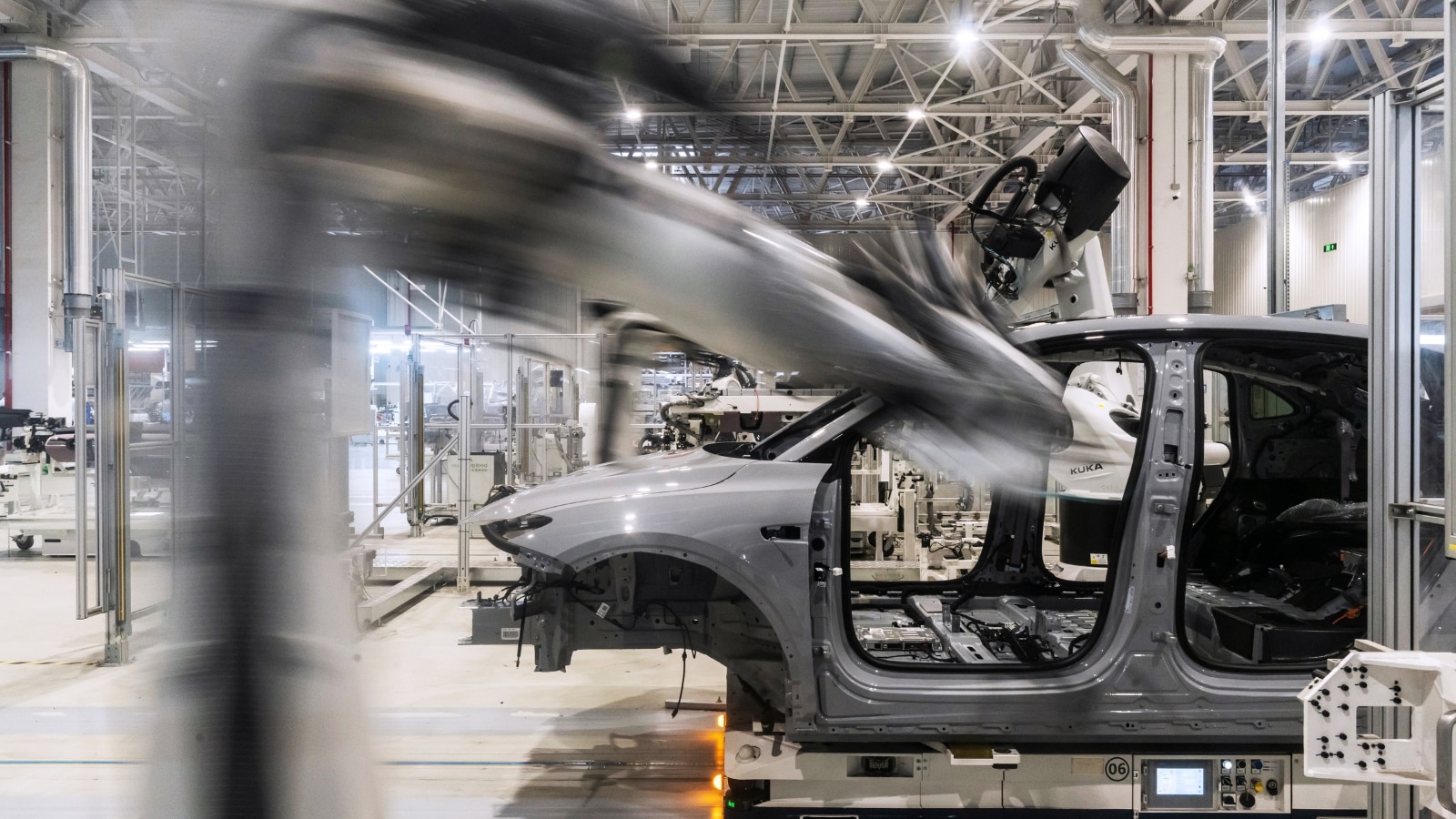
American automakers want a permanent ban on Chinese vehicles and connected car technology. This protectionist push under the guise of national security aims to lock foreign competitors out of the United States market before they even establish a showroom floor. Traditional manufacturers in Detroit face an existential threat from cheap, software-defined electric vehicles manufactured overseas. They are utilizing Washington policy levers to secure an institutional moat.
Protectionism disguised as patriotism is a tale as old as industrial manufacturing.
Decades ago, Detroit dismissed foreign imports from Japan and Germany as cheap novelties. Those imports eventually captured massive market share by offering superior fuel economy, better reliability, and tighter build quality. Today, legacy executives see a mirror image of that historical blind spot. Only this time, the disruption carries batteries, advanced sensors, and persistent cellular connections that make Detroit’s current lineup look obsolete.
The modern automobile is no longer primarily a mechanical conveyance. It is a data-harvesting computer on wheels.
Modern vehicles contain dozens of ECUs running millions of lines of code. They constantly ping cloud servers, map surrounding infrastructure via lidar and cameras, and record passenger habits. This operational reality provides the intellectual ammunition trade lobbyists need. Lawmakers hear warnings about foreign adversaries tracking military installations, mapping local utility grids, or disabling millions of vehicles simultaneously during a geopolitical crisis.
These threats are technically plausible. Yet treating them as an exclusive property of Chinese manufacturing ignores how global supply chains actually function.
Western automakers source microchips, rare earth minerals, and battery components from international markets, including China. Tesla manufactures hundreds of thousands of vehicles in Shanghai and exports them globally, including to markets with stringent regulatory standards. The distinction between a car built by a Chinese firm and a car built by an American firm using Chinese components has become legally and technically blurry.
Trade associations and congressional representatives argue that connected car technology creates an unacceptable backdoor for espionage.
They point to cellular modules, Bluetooth stacks, and navigation systems as potential vectors for remote exploitation. A vehicle connected to a domestic cellular network continuously transmits telemetry data. If that data routes through software controlled by foreign entities, security agencies worry about the potential for long-range data exfiltration.
Critics of the proposed bans argue that hardware and software verification standards solve this vulnerability without resorting to total market exclusion.
Independent security audits, mandatory open-source code reviews, and localized data storage mandates offer a middle ground. These measures protect user privacy without building a rigid wall around the domestic auto market. But legacy manufacturers do not want a regulatory hurdle. They want a complete quarantine.
Economic anxiety drives this entire policy crusade.
Chinese automakers like BYD and Geely produce electric vehicles at a fraction of the cost of their American counterparts. Government subsidies, streamlined supply chains, and vertical integration give them a massive cost advantage. A standard electric vehicle in China can retail for under ten thousand dollars. American legacy brands struggle to turn a profit on vehicles priced under forty thousand dollars.
Detroit cannot compete on price alone right now. Their manufacturing infrastructure is bloated, bound by legacy labor agreements, and slow to pivot toward high-volume battery production.
Capital expenditure requirements for retooling assembly lines run into the billions. Shareholders demand immediate quarterly returns rather than long-term industrial restructuring. Slapping steep tariffs or outright bans on foreign competition buys executive leadership time to figure out their production lines.
The strategy relies heavily on public fear.
When national security enters an economic debate, rational consumer choice gets sidelined. Citizens willingly accept higher prices and restricted options if they believe their personal safety or national sovereignty is at stake. Lobbyists know this psychological trigger well. They frame every regulatory filing as an urgent defense of the homeland.
Yet insulating an industry from global competition historically breeds stagnation.
Protected markets lose the incentive to innovate rapidly. When domestic producers face no pressure from low-cost, high-tech rivals, consumer prices creep upward while quality plateaus. American consumers ultimately pay the price for this insulation through inflated vehicle costs and limited technological choices.
The software-defined vehicle era rewards agility above all else.
Chinese automakers iterate on user interfaces, battery chemistry, and autonomous driving features at lightning speed. Their domestic market demands rapid updates and aggressive pricing. Bringing that competitive pressure to North America would force Detroit to streamline operations, cut fat, and accelerate product development cycles.
Instead, legacy executives prefer to fight the battle in hearing rooms and legislative committees.
Congressional hearings feature dramatic testimony about foreign surveillance fleets roaming American highways. Lawmakers nod solemnly, deeply concerned about foreign software operating within domestic borders. The narrative focuses squarely on malicious intent. It rarely touches upon the systemic failure of American industrial policy to foster affordable electrification.
For decades, free market capitalism served as the foundational dogma of American enterprise.
Industries that failed to adapt to changing consumer demands or cost structures withered away. Today, that dogma bends to accommodate political lobbying when legacy giants face extinction. The pivot from open trade to defensive nationalism highlights a deeper structural anxiety across Western economies.
The transition to electric mobility exposes every vulnerability in the legacy automotive business model.
Internal combustion engines require thousands of precision-engineered moving parts, creating massive ecosystems of traditional suppliers. Electric vehicles require far fewer components, shifting the value proposition entirely to software, batteries, and semiconductor design. Detroit spent a century mastering the mechanical car. They now find themselves racing against software giants and agile hardware builders who treat mechanics as an afterthought.
Banning foreign connected tech buys time, but it does not fix a broken industrial foundation.
If American automakers spend the next decade sheltered behind regulatory walls, they will emerge weaker, less innovative, and entirely uncompetitive on the global stage. Markets outside the United States will continue adopting advanced, affordable electric vehicles. Domestic manufacturers will remain trapped in a high-cost bubble, servicing a shrinking domestic customer base that can no longer afford new transportation.
The push for a permanent ban on foreign automotive technology is not a masterstroke of national defense. It is an admission of industrial defeat.
When the market changes, builders adapt or die. When they lack the will to adapt, they simply change the rules of the game so they never have to face the scoreboard.