Time does not always march forward in a straight line. Sometimes it waits in the dark, sleeping beneath velvet dust and crumbling parchment, until a single downbeat wakes it up.
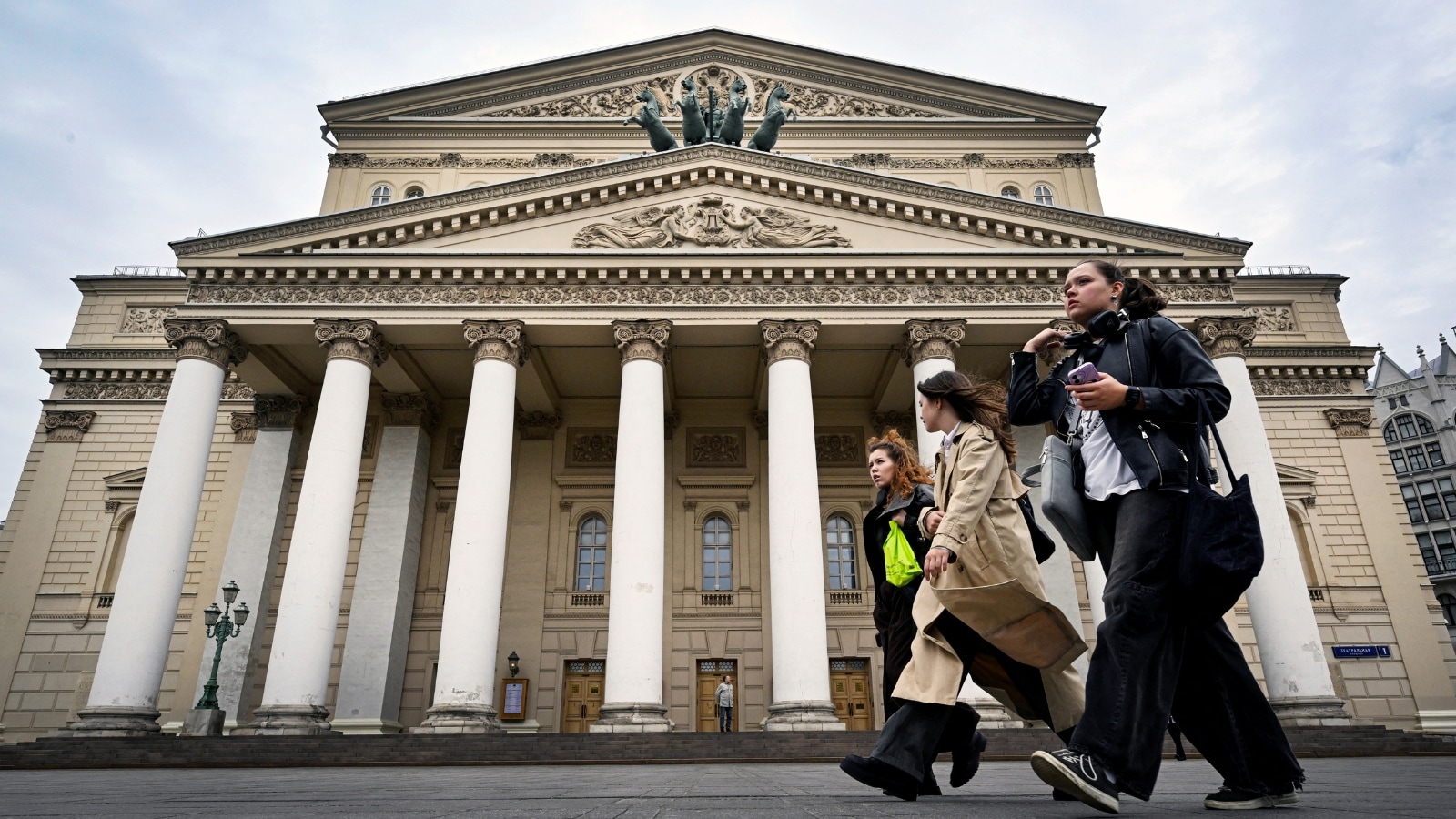
Imagine standing inside the gilded horseshoe of the Bolshoi Theatre in Moscow. The chandeliers hum with a low, amber warmth. The air smells of old wool, stale perfume, and the faint, unmistakable electricity of expectation. For nearly one hundred and twenty years, a specific ghost had been locked away from this stage. Arrigo Boito’s grand, unruly masterpiece, Mefistofele, had not been heard in these hallowed halls since the final days of the Russian Empire, an era when carriages still rattled across cobblestones and the world was sprinting toward a catastrophic century it could not yet picture. Recently making news lately: Inside the Historic Hall of Fame Reckoning for The Tragically Hip and Feist.
Then, the orchestra rises.
To understand why this return matters, you have to look past the stiff formality of classical music reporting. You have to look at what opera actually is: an expensive, wildly impractical machine designed to make human beings feel small in the best possible way. Further insights on this are detailed by Vanity Fair.
Arrigo Boito was not your average composer. He was an intellectual, a poet, a fierce iconoclast who looked at Verdi’s Italy and decided that standard theatrical formulas were simply not dangerous enough. When he premiered Mefistofele at La Scala in Milan in 1868, it was a disaster of epic proportions. The audience rioted. Whistles echoed. Punches were thrown in the lobby. The performance dragged on for hours, a sprawling, demonic behemoth that dared to challenge Goethe's Faust with music that sounded less like polite parlor entertainment and more like the howling of a celestial storm. Boito had tried to capture the entire universe in a single score, stretching from the blinding light of heaven down to the sulphur and ash of the pit.
Naturally, the world did not know what to do with it.
Centuries shift. Empires crumble. Wars redraw maps. Through it all, scores sit on library shelves, gathering weight. When Mefistofele finally vanished from Moscow’s stages after its pre-revolutionary runs, the city changed utterly. Revolutions came and went. The Soviet Union rose, cast its massive shadow over the twentieth century, and dissolved. Generations were born, grew old, and passed away without ever hearing the thunderous brass chords of Boito’s prologue in heaven, where the heavenly hosts sing against the mocking, sardonic laughter of the devil himself.
One hundred and twenty years is a long time for a devil to wait.
Sitting in the modern auditorium, watching the stage lights cut through the haze, you realize that reviving a rare opera is an act of historical archaeology. It requires hundreds of musicians, choristers, stagehands, and vocalists to breathe together in synchronization. They must channel emotions written by a man who died over a century ago, translating ink on yellowed paper into living, trembling sound.
When the bass steps forward to take the role of the Prince of Darkness, he is not merely singing notes on a page. He is stepping into a lineage of performance that stretches back before the invention of recorded sound. He is channeling a defiance that Boito baked into every measure. Mefistofele is not a cartoon villain with a plastic pitchfork. In Boito's conception, the devil is the spirit of negation—the cold, clear-eyed skeptic who looks at human ambition and simply laughs, asking why we bother striving at all when the dust will claim us anyway.
That question doesn't age. If anything, it sounds louder today than it did in 1905.
Consider the sheer logistical weight of mounting such a production. Opera houses are conservative creatures, bound by astronomical budgets and the terrifying cost of failure. Staging a rarity like Mefistofele is a gamble. It lacks the comfortable, humming familiarity of La Traviata or Carmen. There are no guaranteed pop-culture earworms that casual ticket-holders can hum on their walk to the metro. Every single person in that hall is walking into uncharted sonic territory.
Yet, as the choir swells in the prologue—brass roaring, organs vibrating the floorboards beneath your seat—any lingering hesitation evaporates. You feel the sheer, audacious scale of human creativity. Here is a composer who looked at the void and decided to write a symphony about it.
Music has this strange, uncanny ability to collapse time. When the final notes fade away and the house lights snap back on, blinking spectators are left standing in the quiet aftermath of a communal dream. The silence that follows the last chord is heavy, thick with the realization of what has just occurred. A century of quiet has been broken in a single evening.
The devil has returned to Moscow, and for a few fleeting hours, the past and the present sat side by side in the dark, listening to the same ancient questions echo off the gold-leaf walls.