Nostalgia is a terminal illness for creativity.
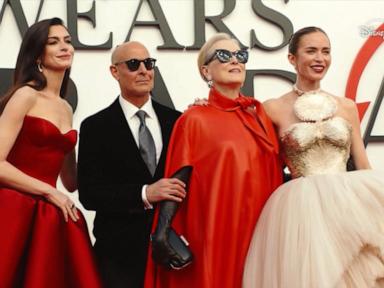
The breathless reviews for the greenlit The Devil Wears Prada sequel are currently flooding your feed, weeping with joy that Meryl Streep might return to throw a Chanel coat onto a desk. They call it a "triumph for fans" and a "long-awaited return to form." They are wrong. They are falling for the same trap that has turned the last decade of cinema into a graveyard of "legacy sequels" that exist solely to satisfy a line item on a balance sheet.
I’ve spent twenty years watching industries cannibalize their own legacies because they are too terrified to bet on an original thought. The first film was a lightning-in-a-bottle moment that captured the specific, jagged transition of the print media industry into the digital abyss. Trying to recreate that in 2026 isn't a "celebration." It’s a weekend at Bernie’s with better wardrobe styling.
The Myth of the Modern Miranda Priestly
The central premise being leaked is that Miranda Priestly is now struggling to navigate the decline of traditional magazine publishing. Groundbreaking, right? Wrong. That story was told—and finished—fifteen years ago.
In the original film, Miranda was the gatekeeper of a monoculture. If Runway said cerulean was the color of the season, the world listened. Today, the "Miranda Priestlys" of the world don't run magazines; they run algorithmic data sets at TikTok or lead "influencer relations" at fast-fashion conglomerates that churn out landfill-ready garments in three-day cycles.
Putting Miranda Priestly in a modern office doesn't make her a "boss" anymore; it makes her a dinosaur. The tension of the first film relied on the high stakes of traditional prestige. Without that prestige, you don't have a movie; you have a sad LinkedIn post about "pivoting to video."
Why "The Reviews Are In" is a PR Lie
When you see headlines claiming "Reviews are in for The Devil Wears Prada 2," you aren't reading film criticism. You are reading the result of a coordinated PR blitz designed to manufacture consent.
- Sentiment Mining: Studios use early social media "reactions" from curated influencers to drown out the skepticism of actual critics.
- The Comfort Food Factor: Audiences are currently so exhausted by the complexity of the world that they will accept a lukewarm rehash of something they liked in 2006 just to feel safe for 100 minutes.
- Sunk Cost Fallacy: Because the first film is a certified classic, the industry feels it must support a sequel, regardless of whether there is a story worth telling.
The Andy Sachs Betrayal
The most egregious error this sequel is set to commit is the destruction of Andy’s character arc. The entire point of the 2006 ending—the toss of the phone into the fountain—was a rejection of the soul-crushing machinery of the fashion world.
By bringing her back into Miranda's orbit, the writers are effectively saying, "Just kidding, she actually missed the abuse." It validates the toxic "hustle culture" that the first film expertly satirized. We are being asked to cheer for a woman returning to her abuser (professional or otherwise) because she wants a better seat at Paris Fashion Week.
The Economics of Creative Cowardice
I’ve seen this play out in the boardroom a thousand times. A studio looks at their IP (Intellectual Property) library and asks, "What can we reboot?" instead of "What is the next big story?"
The math is simple and cynical:
- Built-in Audience: 100% brand recognition.
- Lower Marketing Spend: The "cerulean" memes do the work for them.
- Merchandising: A new generation to sell luxury placements to.
But this math ignores the Brand Erosion Cost. Every time a studio releases a mediocre sequel, they chip away at the integrity of the original. They turn a masterpiece into a "franchise," and franchises are, by definition, products meant for mass consumption and eventual disposal.
The Industry’s Refusal to Evolve
People also ask: "Will the fashion be better in the sequel?"
The answer is no, because fashion itself has become a parody of the first film. In 2006, Patricia Field’s styling was aspirational. Today, the industry is a chaotic mess of "core" aesthetics and viral micro-trends. You cannot satirize an industry that is already satirizing itself on a 24-hour loop.
The sequel will likely feature a montage of Andy navigating "The New Media Landscape." It will involve a joke about a TikTok dance. It will have a scene where a Gen Z intern explains what "vibes" are to a confused Miranda. It will be agonizingly "cringe," a word the original film was too smart to ever need.
The Counter-Intuitive Truth
If you actually love The Devil Wears Prada, you should want this sequel to fail. You should want it to die in development hell.
True art requires an ending. By demanding "more," fans are actually asking to see their favorite characters diluted and commercialized. The status quo says we need more content; the truth is we need more closure.
We don't need to see Miranda Priestly struggle with an iPad. We don't need to see Andy Sachs realize that "journalism is hard." We already have the original film, which stands as a perfect, biting critique of power, ambition, and the cost of entry into the elite.
The most "Miranda Priestly" thing the producers could do is look at this sequel script, purse their lips, and say, "No. That’s all."
Stop asking for the past to be served to you on a silver platter. It’s cold, it’s stale, and no amount of Chanel can make it look fresh.
Go watch something new. Please.
That’s all.