The Outrage Is Real, but the Outrage Is Blind
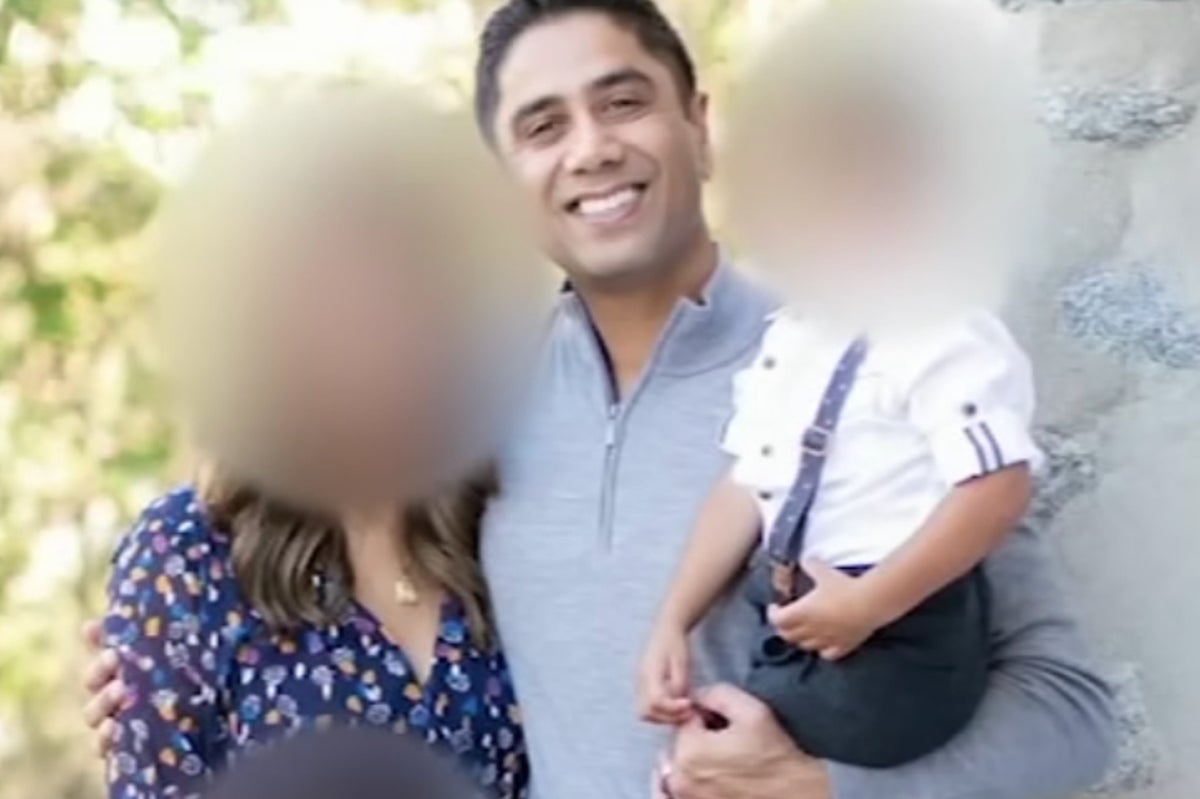
When a California judge dropped attempted murder charges against Dharmesh Patel—the Pasadena radiologist who intentionally steered his Tesla off Devil’s Slide with his wife and two young children inside—the internet erupted into predictable, primal fury.
The immediate public consensus was swift and merciless: A wealthy physician gets a free pass. White-collar privilege triumphs again. A man tries to annihilate his entire family off a 250-foot cliff, and the legal system slaps him on the wrist with mental health diversion instead of locking him away forever.
That narrative is loud. It is emotionally satisfying. And it completely misses how criminal law and modern psychiatric intervention are actually supposed to work.
Dropping those criminal charges was not a breakdown of justice. It was a rare, courageous moment where the legal system chose clinical mechanics over bloodlust.
Retribution Is Not Healthcare
The public hungers for retribution. When a crime is horrific, our instinct demands maximum pain for the perpetrator. But the law—at least in its highest statutory ambition—is not supposed to be an instrument of mob vengeance.
Under California Penal Code 1001.36, pretrial mental health diversion exists specifically for cases like this. The statute was created because penal institutions are abysmal, counterproductive warehouses for severely psychotic individuals.
Patel was diagnosed with major depressive disorder with psychotic features. He was suffering from severe delusions at the moment he turned the wheel. His mind was fractured, completely decoupled from reality.
Throwing a man in a hyper-psychotic break into state prison for 30 years does three things:
- It satisfies the public’s desire for revenge.
- It guarantees he receives sub-standard psychiatric care.
- It entirely ignores the medical reality of treatable, acute psychosis.
Mental health diversion is not exoneration. It is not an acquittal. Patel did not walk out of the courtroom a free man to go resume his medical practice and buy another SUV. He was remanded to a locked, high-security state psychiatric facility. He faces two years of intensive, round-the-clock clinical treatment, strictly monitored by the court. If he fails to comply with a single parameter of his treatment plan, the criminal charges are instantly reinstated.
Calling this a "free pass" reveals a complete ignorance of what locked inpatient psychiatric commitment actually entails.
The Myth of White-Collar Privilege in Diversion
The primary attack on Judge Shannon Quinn’s ruling relies on a classic assumption: Dharmesh Patel received this outcome because he is a rich doctor who could afford high-priced defense attorneys.
I have spent years observing how the court system interfaces with criminal insanity and mental competency. Wealth buys good representation, yes—that is an undeniable flaw of the American legal framework. But the legal threshold for PC 1001.36 diversion does not care about your bank account balance; it cares about diagnostic clarity and public safety risks.
To qualify for diversion in a violent felony case, the defense must satisfy three rigorous conditions:
- A recognized mental disorder was a significant factor in the commission of the charged offense.
- Qualified mental health experts concur that the defendant’s symptoms will respond to mental health treatment.
- The defendant will not pose an unreasonable risk of danger to public safety if treated in the community or a locked facility under strict supervision.
The prosecution brought its own experts. The defense brought theirs. Multiple independent psychiatrists evaluated Patel. The medical consensus was unanimous: his actions were directly driven by a treatable, acute psychotic episode, and his risk of reoffending while under clinical management was extraordinarily low.
When the medical evidence is unanimous, a judge who rejects diversion purely to appease public anger is committing judicial malpractice. Judge Quinn followed the statute as written, ignoring the pitchforks outside the courthouse. That isn't privilege. That is judicial integrity.
The Mental Health System Finally Prevented a Lifetime of Incarceration
We constantly preach the importance of mental health awareness. We claim we want to de-stigmatize mental illness. We demand that society treat psychiatric breaks as medical emergencies rather than moral failings.
Until it actually happens.
The moment a psychiatric crisis results in a terrifying, headline-grabbing act, the public’s progressive stance on mental health vanishes. We instantly revert to medieval instincts: lock them in a dungeon and throw away the key.
Imagine a scenario where a driver suffers a sudden, unheralded grand mal seizure behind the wheel, causing a catastrophic crash that endangers their passengers. We do not charge that person with attempted murder, because the element of intent (mens rea) is completely severed by a physiological event.
Severe clinical psychosis with command delusions operates on the exact same neurological plane. Patel did not plot a cold-blooded murder to collect insurance money. His brain produced a terrifying, delusional reality that compelled his actions. Treating the symptom through punishment while ignoring the underlying neurological fire is primitive.
The system worked here because it prioritized long-term public safety and clinical reality over short-term public applause.
The Real Danger: What Happens If We Reverse This Precedent?
If the court had yielded to public pressure and sentenced Patel to decades in state prison, it would have sent a chilling message through the legal and medical communities.
It would signal that PC 1001.36 is a fake law—a statute that applies only to minor offenses, but gets abandoned the moment an event becomes too shocking for local news anchors to digest.
It would tell families watching a loved one deteriorate into sudden, severe psychosis that seeking help after a crisis will automatically result in life imprisonment rather than medical intervention.
Safety is not achieved by burying sick people in maximum-security facilities where their conditions predictably deteriorate. True safety is achieved when the court uses medical science to isolate, treat, and monitor individuals so they never pose a risk again.
Patel’s medical license is effectively gone. His freedom is completely controlled by clinicians and judicial monitors. His family is protected under strict court orders. The outcome protects society without turning the justice system into an engine of mindless vengeance.
Stop demanding revenge and calling it justice. The judge made the hard call, the right call, and the legal system is better for it.