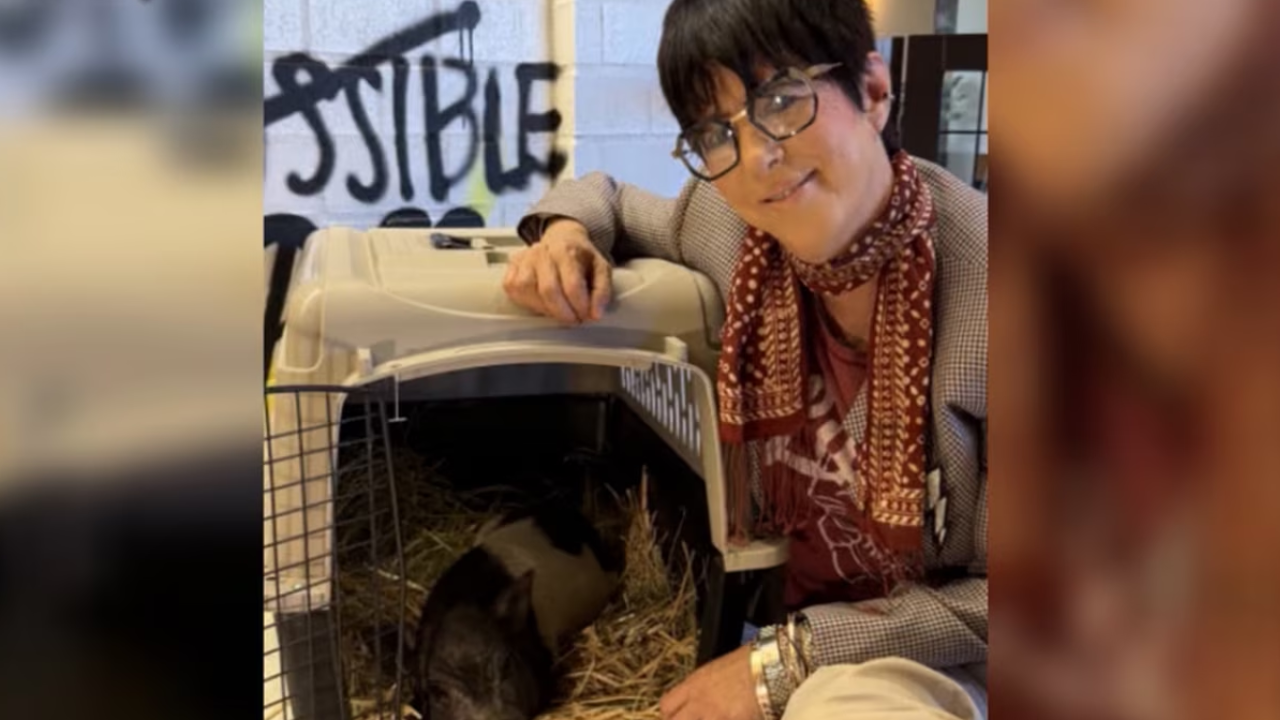
Celebrities buy extravagant things all the time. They drop millions on vintage cars, designer watches, and sprawling mega-mansions with zero real connection to the soil. But when legendary songwriter Diane Warren stepped up to secure a seven-acre sanctuary for a famous Hollywood pig named Wilbur, she did something entirely different. She didn't just write a check for PR. She drew a line in the sand for animal welfare in an industry that usually treats animals like props.
Wilbur isn't just any farm animal. He's a cultural fixture who captured the hearts of Hollywood insiders and animal rights activists alike. When his future looked uncertain, Warren didn't hesitate. She purchased a dedicated seven-acre haven to ensure he could live out his days in peace, surrounded by grass, mud, and freedom. It's a massive win for Wilbur, but it's also a stark reminder of how broken our relationship with farm animals really is. Most pigs don't get seven acres. Most pigs spend their entire lives crammed into gestation crates so tight they can't even turn around.
If you've ever looked closely at an industrial pork facility, you know the bleak reality behind cheap bacon. Animals possessing the cognitive and emotional intelligence of a three-year-old human child are reduced to factory widgets. That's why Wilbur's sanctuary matters. It forces us to look past the disconnect on our plates and see these animals as individuals with names, distinct personalities, and an innate right to exist.
The Real Cost of Fame for Animal Actors
Hollywood has a long, dark history with animal stars. From chimpanzees in comedy films to pigs and horses in sweeping historical dramas, animals have been exploited for entertainment since the dawn of cinema. Once the cameras stop rolling, the reality for these creatures is often grim. Trainers retire, budgets shift, and animals are frequently discarded or sent to questionable auction houses.
Diane Warren saw right through that cycle. By taking direct ownership of Wilbur's future, she eliminated the corporate middleman. She didn't leave his fate up to a studio liquidation or an overcrowded shelter system.
When you look behind the scenes of animal casting, the regulations are notoriously loose. A few advocacy groups push for strict oversight, but enforcement remains weak. Independent sanctuaries like the one Warren funded are left to pick up the pieces. They take in the broken, the discarded, and the forgotten. Wilbur's story stands out because he had a famous name attached to him, but thousands of other pigs face the exact same fate every single day without a famous songwriter coming to their rescue.
Why Pigs Make Terrible Commodities and Incredible Companions
Most people don't realize how smart pigs actually are. They learn their names faster than dogs. They can solve complex joystick-operated video mazes. They show empathy, hold grudges, and experience deep emotional bonds.
Keeping an animal like that in a concrete pen is psychological torture. When Wilbur stepped onto his new seven-acre property for the first time, his reaction wasn't complicated. He rooted in the soil. He rolled in the mud. He did what pigs are biologically hardwired to do when they aren't imprisoned by industrial agriculture.
If you've ever spent time around rescued farm animals, you see the transformation firsthand. A traumatized pig takes months to unlearn the fear bred into them by factory farming. They flinch at loud noises. They hoard food because scarcity was their entire existence. Giving them space is only the first step. True rehabilitation requires patience, specialized veterinary care, and an environment that respects their natural instincts.
What You Can Do When You Can't Buy a Seven-Acre Sanctuary
Not everyone has multi-platinum Grammy-winning songwriter money lying around to buy seven acres of land for a single pig. You can't all open sprawling rescue farms, and nobody expects you to. But your daily choices still carry weight.
Start by changing how you look at your grocery bill. Industrial farming relies on cheap meat subsidized by animal suffering and environmental degradation. When you reduce your consumption of factory-farmed pork, you hit the industry where it hurts.
Look for local sanctuaries in your area and volunteer your weekend. Mucking stalls, building fences, or simply sitting with rescued animals to help them socialize with humans makes a measurable difference. These operations survive on grassroots support, not celebrity endowments alone.
Support legislation that bans gestation crates and tightens transport regulations for farm animals. Several states have passed landmark bans on extreme confinement, proving that public pressure actually forces politicians to act.
Diane Warren did her part for Wilbur. The rest of us need to decide what kind of world we want to support with our wallets, our voices, and our daily choices.