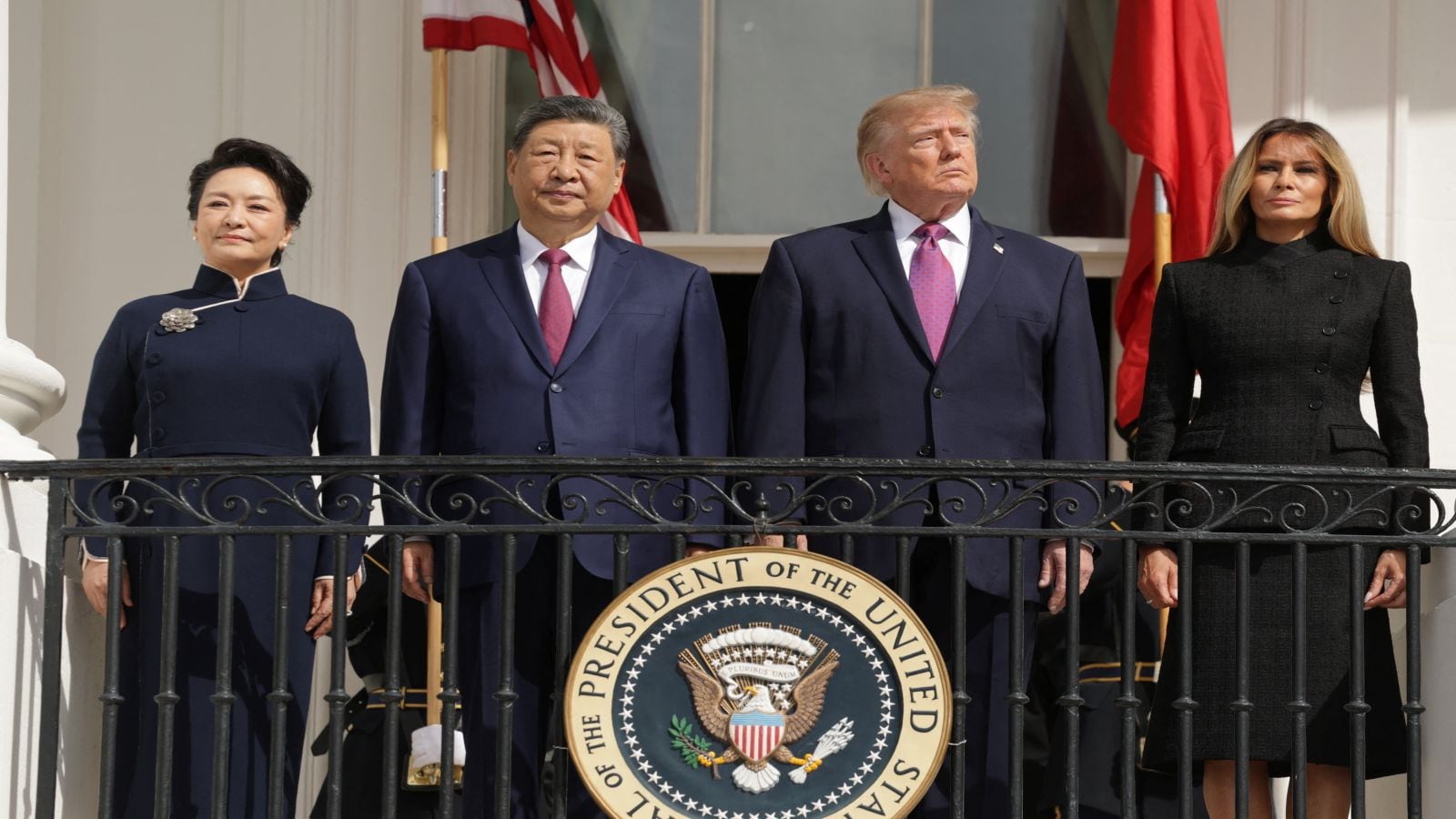
Statecraft rarely hinges on the menu alone, but when superpowers lock horns across a banquet table, every detail carries immense weight. The recent reports surrounding a high-stakes diplomatic summit involving Donald Trump, Melania Trump, and Chinese President Xi Jinping brought the mechanics of modern state dinners back into sharp focus. Headlines fixated on historical flourishes, specific vintage pours, and floral arrangements, yet the real story lies beneath the polished silver. High-level diplomatic gatherings function as meticulously choreographed geopolitical theater where symbolism replaces formal negotiation.
Understanding these events requires moving past the superficial gloss of television broadcasts. When leaders of opposing economic titans sit down to break bread, the stakes involve trade tariffs, territorial disputes, and global supply chains. A state dinner is not a social hour. It serves as a pressure valve during intense geopolitical friction, allowing delegations to test diplomatic waters away from the glaring lights of press conferences. For another view, see: this related article.
Protocol dictates every single movement. From the order of the motorcades arriving at the South Portico to the precise seating charts designed to place key advisors within whispered reach of their counterparts, nothing is left to chance. State Department officials and the White House Social Secretary spend months coordinating these logistics. Every nuance sends a deliberate signal to domestic and international audiences. When relations are strained, the public display of cordiality acts as a stabilizing anchor for jittery financial markets and uneasy allies abroad.
History provides a clear template for this brand of culinary diplomacy. Decades ago, high-level visits often turned on unexpected cultural touchstones. Whether looking back at historic Nixon-era exchanges or subsequent modern administrations, the underlying strategy remains consistent. Food, wine, and aesthetic choices are deployed to humanize leaders who are otherwise locked in fierce ideological and economic combat. If a host administration wants to project strength combined with hospitality, the environment must project effortless control. Related reporting on this trend has been published by The New York Times.
Yet, beneath the polished veneer, intense friction usually simmers. Behind closed doors, trade negotiators and national security advisors are rarely far from secure communication lines. While the cameras capture a toast raised over curated courses, the real substantive work happens in holding rooms and secure bilateral sessions before the dinner bells ring. The dinner itself functions as a public ratification of whatever understandings were reached—or papered over—during the closed-door meetings.
Analyzing the economic fallout of these summits reveals why Wall Street watches every gesture. Markets react to the perceived tone of the encounter. A warm toast and relaxed body language can soothe currency fluctuations and reassure investors that worst-case escalation scenarios are temporarily on hold. Conversely, a stiff, overly formal exchange often signals entrenched disagreement, prompting immediate hedging across global commodities and equities.
Journalists often fall into the trap of over-romanticizing the pageantry. The silver, the crystal, and the historic menu nods are tools of statecraft, not the substance of it. The real narrative involves the fragile balance of power between two nations shaping the twenty-first-century economy. When the last guest departs and the press pool packs up their gear, the tangible impact is measured not in toasts, but in subsequent policy shifts, trade concessions, and strategic realignments that play out quietly over the following months.