The air inside the diplomatic suite was thick with the scent of cardamom tea and silent calculation. Outside, the midday heat of a bustling capital pressed against the glass, but inside, the temperature was dictated by an entirely different kind of pressure.
Consider the photograph that flashed across international news wires: Indian Prime Minister Narendra Modi shaking hands with Iranian President Masoud Pezeshkian. To the casual observer, it was a routine exchange of pleasantries, a standard snapshot of international statecraft. But beneath the polished veneer of diplomatic handshakes lies a high-stakes chess match played on a global board. And not everyone is smiling about the moves being made.
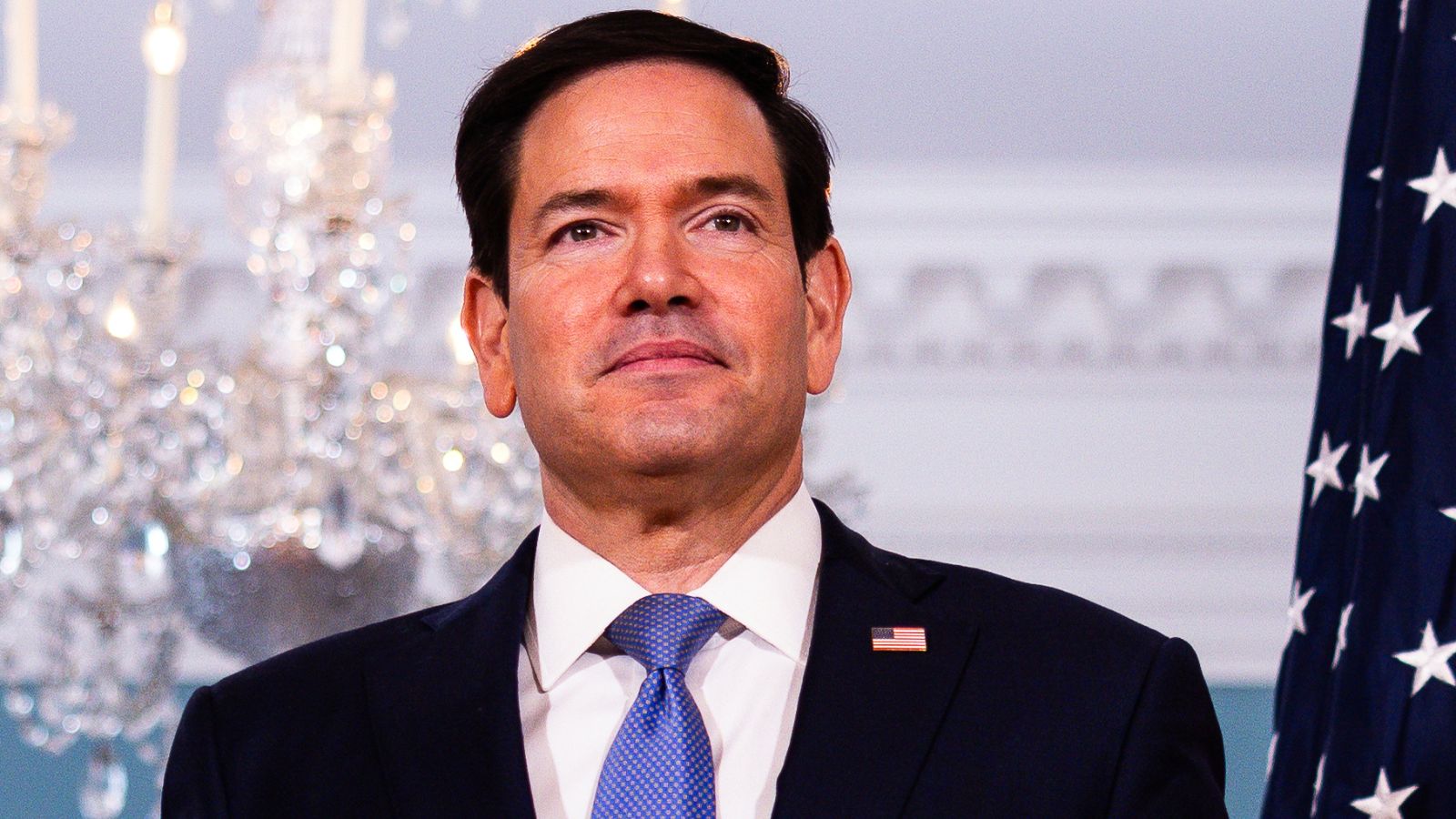
Enter Senator Marco Rubio.
With the sharp rhetoric of a Washington lawmaker accustomed to drawing hard lines in the sand, Rubio did not mince words following the meeting. His warning was direct: no nation should offer a lifeline to Tehran. To Washington, Iran remains locked behind a fortress of severe economic penalties, international isolation, and stringent sanctions designed to squeeze its financial lifeblood. Yet, here was New Delhi, engaging in high-level dialogue with the very leadership that the West is working so hard to isolate.
Why?
The answer requires stepping away from the podiums of Washington and walking the dusty, wind-swept docks of Chahbahar Port on the southeastern coast of Iran.
Imagine standing on those concrete piers. Cranes groan under the weight of shipping containers, hauling wheat, pulses, and machinery. This port is not just a commercial venture; it is an economic artery for India. Without it, India’s trade routes to Afghanistan, Central Asia, and beyond are choked off by hostile geography, forced to bypass a stubborn Pakistan. For New Delhi, Chabahar is a lifeline. It is a strategic necessity born of cold, hard geography, not ideological defiance.
Geopolitics rarely affords the luxury of black and white.
When a rising economic powerhouse like India sits across the negotiating table from an isolated regime like Iran, it is executing a delicate balancing act. On one side sits the United States, India's vital democratic partner in the Indo-Pacific, bound by shared security frameworks and a mutual wariness of rising regional hegemons. On the other side sits a centuries-old relationship with Persia—a historical neighbor, a source of vital energy historically, and the keeper of keys to Central Asian corridors.
Friction was inevitable.
Washington watches every interaction through the singular lens of maximum pressure. Every diplomatic engagement is weighed on a scale of compliance. From that vantage point, any economic oxygen provided to Tehran feels like a betrayal of the global consensus.
India sees it differently.
For New Delhi, strategic autonomy is not just a buzzword; it is an article of faith. It is the hard-earned doctrine of a nation that refuses to be a junior partner in anyone else's alliance. To India's foreign policy architects, maintaining open channels with Tehran is about protecting national interests that stretch across millennia. It is about energy security, regional connectivity, and ensuring that no single foreign capital dictates the boundaries of its sovereign choices.
Sanctions are blunt instruments. They are designed to bludgeon economies into submission, to starve regimes of revenue, and to force a change in behavior through sheer deprivation. Yet, they often create strange paradoxes. They force nations caught in the middle to make agonizing compromises.
Think of the small-scale exporter in Mumbai or the logistics planner sitting in a corporate high-rise, watching regulatory walls shift overnight. These are the invisible characters in this grand drama. They do not draft treaties or issue warnings on Capitol Hill. They simply wake up and try to navigate a world where a handshake in a foreign capital can instantly freeze their bank accounts, reroute their cargo ships, or trigger a compliance audit that lasts for months.
The warning from Washington carries weight. Ignoring American secondary sanctions is a luxury few major economies can afford, given the sheer dominance of the US financial system. India knows this dance well. Over the years, New Delhi has quietly dialed back its oil imports from Iran to a trickle, respecting the invisible tripwires of global finance while trying to preserve the diplomatic architecture of its relationship with Tehran.
Yet, dialogue persists. Because statesmen know that closing the door entirely is a permanent solution to a temporary crisis.
What happens next will test the limits of diplomatic elasticity. As the geopolitical fault lines deepen, the margin for error shrinks. Washington's patience is not infinite, and New Delhi's strategic necessities are not negotiable. Every handshake carries a hidden cost. Every communique is parsed by intelligence analysts in three different time zones.
The tea in the diplomatic suite has long since gone cold. But the conversation is just beginning. And in the shadowy corridors where global power is negotiated, the space between friends and rivals is where the real story is written.