Panic doesn't start with a siren. It starts with a whisper in the streets.
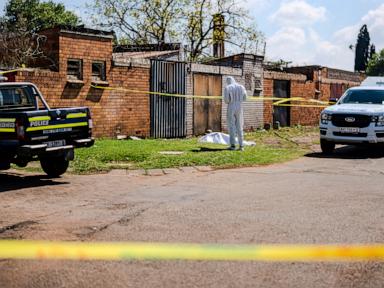
When the body of a ninth woman was discovered on a roadside in Dawn Park, east of Johannesburg, that whisper turned into a roar. Over a span of just two months, an alarming string of grim discoveries across the Ekurhuleni region has left communities paralyzed by fear. People aren't just worried; they're terrified. Families are tracking their loved ones with frantic phone calls. Women are altering their daily commutes, avoiding isolated footpaths, and locking their doors long before sunset.
The immediate question on everyone's mind is brutal and straightforward. Are these killings connected to a serial predator operating unchecked in the shadows of South Africa?
The Geography of the Murders
The sheer spread of the crime scenes makes this case uniquely difficult to track. Victims have been found dumped across multiple suburban communities east of Johannesburg, including Kempton Park, Pomona, Clayville, Olifantsfontein, Rhodesfield, KwaThema, and Dawn Park.
Each location shares a grim similarity. The victims are predominantly young women in their twenties and thirties. Many were discovered partially clothed, wrapped in sheets, or showing horrific signs of blunt force trauma, stab wounds, or severe decomposition. When the ninth victim was found in Dawn Park, half-naked and discarded by a construction site, local police realized they were dealing with something far more systematic than random street crime.
Provincial police commissioner Fred Kekana has urged residents to stop circulating unverified photographs and panic-inducing rumors on social media. He warns that social panic only hinders police work and risks sparking copycat behavior. Yet, public patience is wearing thin. When citizens feel unprotected by the state, rumors fill the vacuum.
Inside the Official Response and Investigation
The South African Police Service has deployed a multidisciplinary team of experts to untangle the web of evidence. Authorities have stated that while some individual cases may stem from isolated domestic disputes—such as a case linked to a potential love triangle where a suspect is already behind bars—the broader pattern cannot be ignored.
Gauteng Premier Panyaza Lesufi visited crime scenes and delivered a stark warning to the perpetrators. He made it clear that the state views these coordinated or serial attacks as a direct challenge to public safety, declaring that authorities will not surrender. Investigators are relying heavily on DNA profiling, forensic pathology, and community tips. However, piecing together the timeline for victims who vanished weeks apart without immediate reports is a monumental hurdle.
Civil society groups and missing persons organizations like Missing In Southern Africa point out a systemic failure in how missing persons cases are initially handled. Families are often told to wait before filing a report. That archaic delay costs precious hours when a predator is on the move. Investigators emphasize that there is no waiting period. Every hour wasted before reporting a missing person makes catching a predator exponentially harder.
Confronting the Broader Reality of Femicide
This tragedy does not exist in a vacuum. South Africa has long battled staggering rates of gender-based violence and femicide. Studies by regional research groups show that over a third of adult women in the country experience physical or sexual violence during their lifetimes.
When a series of murders strikes at once, it lays bare a crumbling infrastructure of safety. Women walking to public transport hubs in the early morning darkness or late evening hours navigate poorly lit streets and overgrown vacant lots. Human rights activists and local faith leaders have marched on police stations in Kempton Park, demanding immediate security audits. They want better street lighting, functional public surveillance, increased police foot patrols, and rapid-response infrastructure in neglected urban corridors.
Communities are refusing to stay silent. Running clubs across Johannesburg have organized memorial runs to honor victims like Elizabeth Moselakgomo, a runner who vanished before her body was recovered. Prayer vigils fill community halls. People are demanding accountability from local leaders who promised safer neighborhoods years ago.
Taking Action to Protect Communities
If you live in or near affected areas, waiting for institutional change isn't enough. Immediate safety adjustments require collective vigilance.
- Form localized neighborhood watch groups centered on transit routes. Walk in groups during peak vulnerability windows, especially near construction sites and unlit industrial borders.
- Memorize and share emergency response numbers. Ensure local community WhatsApp channels are actively monitored for sudden safety alerts.
- Support frontline advocacy groups that provide emergency shelter, counseling, and legal aid to women facing domestic or street-level threats.
- Demand accountability from local municipal councils regarding basic infrastructure upgrades like clearing brush, fixing broken streetlights, and installing working CCTV cameras along transit pathways.
The streets of Ekurhuleni deserve peace. Until law enforcement delivers absolute justice and systemic gaps are closed, vigilance remains the only shield communities have left.