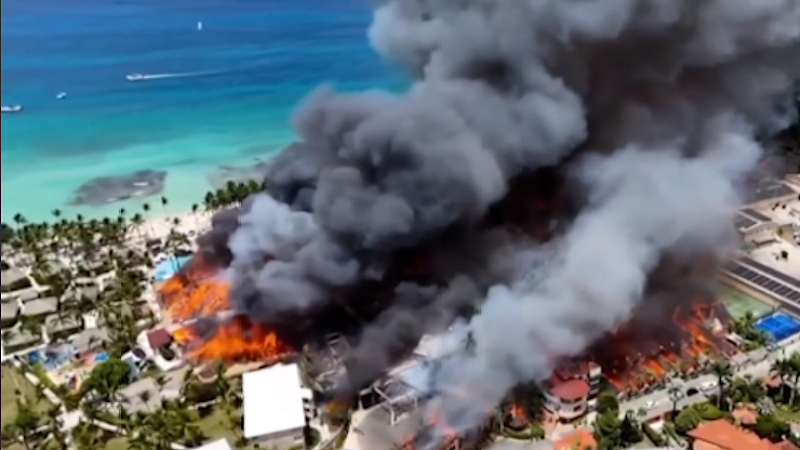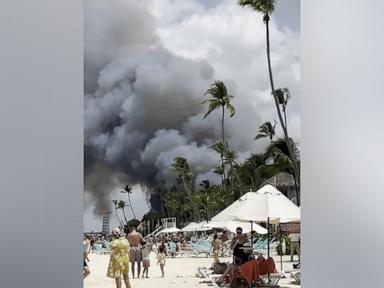
A standard vacation in paradise can change in minutes. You pack your bags, look forward to the beach, and assume the resort has your back on safety. Then a massive fire breaks out. Emergency sirens wail. Smoke fills the corridors of a luxury Dominican Republic resort. Suddenly, you realize you don't know where the nearest exit is, or if the local infrastructure can handle the chaos.
A recent tragedy at a popular resort in the Dominican Republic left a tourist dead after a massive fire tore through a hotel complex. Local officials confirmed the fatality, sparking immediate questions about emergency preparedness, building codes, and evacuation protocols in Caribbean vacation hotspots. This isn't an isolated worry. It points to a broader, uncomfortable reality that travelers face when leaving their home countries.
When you book a tropical getaway, you naturally expect the same structural safety standards you have at home. That's a dangerous assumption. Fire regulations vary wildly across international borders. What passes inspection in a developing nation might fail miserably elsewhere. Understanding the logistics of emergency response in foreign destinations isn't paranoid. It's necessary.
The Reality of Emergency Response in Tropical Destinations
Most people don't think about local fire department funding when booking an all-inclusive stay. They look at the pool. But municipal services in international resort towns often lag behind the rapid pace of private tourism development.
When a large-scale fire breaks out at a major resort, local volunteer or underfunded fire crews frequently face immense challenges. Water pressure can be notoriously weak in coastal tourist zones. Equipment might be outdated. Getting modern fire engines through narrow, traffic-choked tourist corridors takes time that victims simply don't have.
Resorts often operate as self-contained mini-cities. They have their own power generators, massive industrial kitchens, and laundry facilities running 24/7. This high energy demand creates inherent risks. If a resort's internal safety systems—like localized alarms, fire doors, and commercial sprinkler systems—fail to trigger, the external municipal response start at a massive disadvantage.
The Gaps in International Building Codes
You can't spot a faulty wiring setup or a broken sprinkler valve from a glossy booking website. Many older properties in popular Caribbean hubs were built before modern fire-retardant materials became standard. Even during renovations, cosmetic upgrades often take priority over behind-the-walls safety overhauls.
- Sash alarms and missing links: Many foreign jurisdictions do not mandate interconnected alarm systems. A fire in a kitchen wing might not automatically trigger sirens in a residential guest block until smoke physically travels there.
- Open-air layout traps: The beautiful thatched roofs (palapas) and open-air wooden lobbies common in tropical architecture look stunning. They also burn with terrifying speed.
- Exits that don't open: It's shockingly common to find emergency exit doors locked or chained from the inside to prevent guest theft or unauthorized entry, transforming a safety route into a dead end.
Regulatory enforcement remains a major wild card. Regular, unannounced inspections by independent safety boards are rare in many developing economies. Tourism drives the local GDP, creating a conflict of interest where officials might hesitate to shut down a major revenue-generating property over a minor code violation.
How to Audit Your Own Hotel Room
Don't rely blindly on hotel management for your safety. Take control the moment you check in. It takes exactly three minutes to run a personal safety audit of your room, and it could save your life.
First, look at the back of your entry door for the evacuation map. If it's missing, demand a new room or take a photo of the floor map near the elevator. Walk out into the hallway and physically locate the two nearest exit stairwells. Don't just look at the glowing sign. Walk up to the door. Push it. Make sure it isn't locked, blocked by housekeeping carts, or used as extra storage for rollaway beds.
Count the number of doors between your room and the exit. In a dark, smoke-filled hallway, visibility drops to zero. You will have to crawl along the floor and count the doors by feel to find the stairs.
Check the windows. Do they open, or are they sealed shut? If you are on a lower floor, is there a drop that you can safely navigate in an emergency? For rooms on the fourth floor or higher, remember that standard fire department ladders worldwide often struggle to reach past the sixth or seventh floor. Requesting a room on a lower level is a smart, practical move for anyone worried about emergency egress.
Packing for the Unexpected
Smart travelers pack specific, lightweight safety gear that balances the scale when local infrastructure falls short. These items take up minimal space in a carry-on but offer massive utility when things go wrong.
A small, high-lumen LED flashlight belongs on your nightstand every single night you sleep in a hotel. Power grids fail instantly during a resort fire. Navigating a pitch-black room and hallway without light slows you down.
Consider carrying a portable travel smoke detector. They cost very little and suction-cup directly to your hotel room ceiling or sit on a desk. If the hotel's central alarm system fails or delays, a personal detector gives you those crucial extra minutes to escape a localized electrical fire.
A lightweight smoke mask or smoke hood provides short-term filtration against toxic fumes. In a hotel fire, smoke inhalation kills far more people than actual flames. Having a barrier that allows you to breathe while moving through a compromised hallway changes your odds completely.
Navigating the Immediate Aftermath of a Crisis
If you wake up to the smell of smoke or an alarm, act immediately. Never stop to gather passports, electronics, or luxury items. Possessions can be replaced.
Touch the back of your hotel door with your hand before opening it. If it feels hot, do not open it. Smoke and fire are raging on the other side. Instead, seal the cracks around the door with wet towels from the bathroom, turn off the air conditioning to prevent smoke circulation, and move to the window to signal for help.
If the door is cool, open it slowly with your shoulder braced against it. Be ready to slam it shut if smoke rushes in. If the hallway is clear, head straight for the stairs you located during your check-in audit. Never use the elevator. An electrical malfunction can trap you between floors or open the doors directly onto the fire floor.
Once you safely exit the building, move completely away from the structure. Falling debris and shattering glass pose massive risks to bystanders standing too close to the facade. Find the designated assembly point or locate a resort staff member to ensure your name gets on the accounted-for list.
Next Steps for Your Upcoming Trip
Before you finalize your next vacation booking, change how you research properties. Look past the five-star reviews of the swim-up bars and dig into the operational history.
Search travel forums and review sites specifically for keywords like "fire," "alarm," "safety," or "power outage." If multiple guests complain about frequent false alarms that management ignored, or mention blocked hallways and non-functional emergency lighting, choose a different property.
Contact your travel insurance provider to verify your medical evacuation coverage. If a fire causes severe injury or smoke inhalation, local clinics in remote resort towns might lack specialized burn units or advanced trauma care. You need a policy that covers immediate airlift transportation to a world-class medical facility.
When you arrive at your destination, keep your passport, a copy of your insurance policy, and essential medications in a small, accessible bag near the door or bed. If you have to flee your room in the middle of the night, grabbing that single bag takes one second and ensures you have your critical documents and health needs covered during the chaotic aftermath.