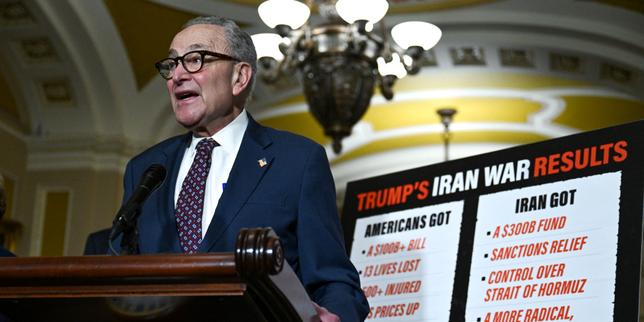
Donald Trump wants to rewrite the rules of American military spending. He isn't subtle about it. The White House put forward a staggering $1.5 trillion defense budget proposal for fiscal year 2027, an eye-popping 42% spike over current funding levels. It's the largest requested military buildup in modern history, leaning hard into naval construction, missile systems, and artificial intelligence.
But the proposal is hitting a brick wall on Capitol Hill. Democrats aren't just resisting the price tag; they're fundamentally breaking a decades-old tradition of bipartisan rubber-stamping for the Pentagon.
If you think this is just standard partisan bickering, you're missing the bigger picture. This standoff isn't a minor disagreement over numbers. It's a high-stakes constitutional war over who controls the checkbook and whether the executive branch can bypass Congress entirely during times of conflict.
The Trillion Dollar Breaking Point
For decades, both parties in Washington followed an unwritten rule. You argue about domestic spending, but you don't mess with the defense budget. That era is officially dead.
Trump's budget strategy aims to shift $119.3 billion directly from non-defense programs to the military, cutting deeply into social infrastructure. The administration's proposal zeroes out or slashes funding for agricultural research, low-income housing, and green energy initiatives. Predictably, Democratic lawmakers are treating the plan as completely dead on arrival.
But the real flashpoint isn't just the domestic trade-offs. The opposition has crystallized around Trump's unapproved war with Iran.
The White House recently notified Congress that regional hostilities have resumed and American airstrikes are active again. Because Trump launched these military actions without formal congressional authorization, Democrats are refusing to hand over a blank check. Senate Democratic Leader Chuck Schumer made the strategy clear, stating that the annual National Defense Authorization Act cannot become a permission slip for executive recklessness.
The Senate Blockade and Procedural Warfare
We're seeing unprecedented procedural tactics to stall the administration's momentum. In an extraordinary vote, Senate Democrats blocked the $1.15 trillion base defense policy bill, denying the 60 votes needed to move the legislation forward.
FY2027 Defense Budget Battle
┌────────────────────────────────────────────────────────┐
│ Trump White House Request: $1.5 Trillion               │
└───────────────────────────┬────────────────────────────┘
                            │
              ┌─────────────┴─────────────┐
              ▼                           ▼
   House GOP Defense Bill       Senate Democratic Blockade
   • Pushing $925B authorization • Capping target at $750B
   • Bogged down by hardliners   • Protesting unauthorized war
The resistance isn't limited to progressive anti-war advocates either. Moderate Democrats with deep national security backgrounds—like Senator Mark Kelly of Arizona and Senator Elissa Slotkin of Michigan—are voting against defense bills in committee. Slotkin noted that lawmakers are expected to debate a trillion-dollar budget while the administration keeps the real economic cost of the ongoing Iran war hidden from the public.
Meanwhile, progressive Senator Ed Markey introduced legislation to cap the defense budget at $750 billion, demonstrating just how far apart the two sides really are.
Trying to Short-Circuit the System
The White House knows it faces a steep climb in a divided Congress, especially with the November midterm elections threatening to shift the balance of power even further. Because of this pressure, the administration is trying to change how federal money flows.
Trump's team has repeatedly asked for major changes to the traditional appropriations structure, trying to maximize executive freedom of maneuver over government funds. They want to expand the use of mandatory funding and emergency supplementals, which don't require the same strict annual congressional approval as discretionary spending.
Congress is fighting back to protect its constitutional power over the purse. In recent defense acts, lawmakers have added statutory floors, strict reporting demands, and earmarks to keep the Pentagon on a tight leash. They explicitly rejected the administration's requests for structural budget flexibility, telling the Pentagon to prove it can manage its existing funds before asking for less oversight.
The Real GOP Fractures
The conventional narrative says this is a clean fight between Republicans and Democrats. It isn't. The White House is facing quiet, worried pushback from members of its own party.
Many congressional Republicans are trying to sharpen their economic message to voters who are stressed about the daily cost of living. A massive, historic spike in military spending complicates that message, especially when it requires cutting domestic programs that remain popular with working-class voters in swing districts.
Furthermore, hard-right factions in the House have occasionally blocked their own leadership's procedural rules to leverage leverage on separate issues, like stricter voter identification packages. This internal friction leaves the GOP leadership with zero margin for error. If they want to force a massive defense spike through using party-line mechanisms like budget reconciliation, they need total unanimity within a deeply fractured party. They simply don't have it right now.
What Happens Next
The annual defense policy bill has passed for 65 consecutive years, but that streak is in serious jeopardy. If you're tracking how this defense standoff impacts the broader political landscape, keep your eyes on these specific pivot points:
- Watch the Continuing Resolutions: Expect the government to rely on temporary stopgap spending bills to keep the military running at current levels, avoiding a total shutdown while both sides refuse to budge on the overarching $1.5 trillion figure.
- Monitor the Midterm Posturing: Watch how moderate lawmakers in both parties vote on upcoming defense amendments; their willingness to compromise will tell you exactly how they think the public views the economic reality of the Iran conflict.
- Track the Legal Battles Over Executive Spending: Pay attention to any administration attempts to reprogram existing funds unilaterally for operational deployment, which will trigger immediate legal challenges from House and Senate appropriators.
:max_bytes(150000):strip_icc():focal(749x0:751x2)/auschwitz-2-691cb034ee9e43cfa45a0969012c6337.jpg)